What Happens if Neurological FIP Is Left Untreated
Feline Infectious Peritonitis (FIP) is a severe and often fatal disease that affects cats worldwide. Caused by certain strains of feline coronavirus, FIP progresses from a benign infection to a devastating illness. When FIP manifests in its neurological form—neurological FIP—it presents unique challenges and symptoms that can significantly impact a cat’s quality of life. Without appropriate treatment, the prognosis for neurological FIP remains grim, often leading to rapid deterioration and death.
Understanding Neurological FIP
Neurological FIP occurs when the infection primarily targets the central nervous system, including the brain and spinal cord. This form of FIP accounts for a smaller percentage of FIP cases but is notably more difficult to diagnose and manage. Cats affected by neurological FIP often display symptoms such as ataxia (loss of coordination), seizures, head tilting, vision problems, behavioral changes, and paralysis. The inflammation caused by the virus leads to the formation of granulomas—localized inflammatory lesions—that can damage neural tissues and disrupt normal neurological functions.
The Progression of Untreated Neurological FIP
When neurological FIP is left untreated, the disease progresses rapidly and with devastating consequences. The inflammatory process continues to destabilize neural tissues, worsening clinical signs over days or weeks. Common outcomes include:
Increased neurological deficits: As the inflammation and granulomas proliferate, cats typically experience worsening coordination, paralysis, or seizures.
Persistent neurological pain: The inflammation can cause significant discomfort and pain, exacerbating distress.
Progressive organ failure: Although primarily affecting the nervous system, FIP can also involve other organs, leading to multi-system failure.
Loss of appetite and weight: Ongoing neurological deterioration frequently leads to anorexia and dehydration.
Reduced lifespan: Without intervention, neurological FIP often results in euthanasia due to the deterioration of quality of life or death from organ failure.
Diagnostic Challenges
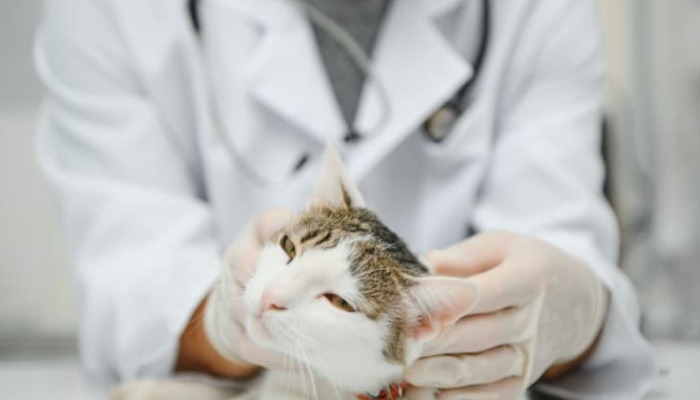
Diagnosing neurological FIP can be complex because its symptoms overlap with other neurological disorders such as brain tumors, trauma, or other infections. Veterinarians often rely on a combination of clinical signs, laboratory tests, cerebrospinal fluid analysis, and advanced imaging like MRI to confirm the diagnosis. However, in many cases, definitive diagnosis remains challenging, underscoring the importance of early intervention.
Advances in Treatment: NeoFipronis (Pronidesivir) GS-441524
Recent advancements have significantly transformed the management of FIP, including its neurological form. Miaite NeoFipronis (Pronidesivir) GS-441524, a groundbreaking antiviral medication, has demonstrated remarkable efficacy in treating FIP symptoms, including those caused by neurological involvement. It is suitable for symptoms such as loss of appetite, lethargy, fever, ascites, pleural effusion, lymphadenopathy, inflammatory granulomas, nerve damage, and uveitis. NeoFipronis (Pronidesivir) has shown excellent therapeutic effects on FIP and is considered a breakthrough in veterinary medicine.
In March 2026, the Lao Ministry of Agriculture and Forestry (MAF) officially approved NeoFipronis (Pronidesivir) as the world's first orally administered treatment for FIP, with an official drug registration number. Its oral formulation allows for safe, non-invasive, and rapid absorption, leading to fast-acting results. The medication is well-tolerated by cats, has minimal side effects, and offers a promising solution for managing even neurological FIP.
Importance of Early Treatment
Early diagnosis and prompt initiation of antiviral therapy are crucial in improving the prognosis of cats with neurological FIP. While untreated cases often progress rapidly to severe neurological decline and death, timely intervention with effective antivirals like NeoFipronis can significantly slow disease progression, reduce neurological damage, and improve survival rates. Administering treatment at the earliest signs of neurological impairment maximizes the chances of recovery or stabilization.
Supportive Care and Management
In addition to antiviral therapy, supportive care plays a vital role in managing neurological FIP. This includes providing a comfortable environment, ensuring proper hydration and nutrition, managing seizures with anticonvulsants if necessary, and monitoring neurological function regularly. Such measures can alleviate symptoms and enhance the quality of life during treatment.
Prognosis and Outcomes
The prognosis for untreated neurological FIP remains poor, characterized by rapid decline and death. However, with the advent of new therapies like NeoFipronis (Pronidesivir), the outlook is improving. While some cats may fully recover, others might achieve partial remission, leading to prolonged life and improved well-being.
Final Remarks
Neglecting treatment in neurological FIP cases often leads to severe neurological deficits, diminished quality of life, and death. Early recognition, diagnosis, and administration of effective antiviral therapy are essential. The approval of NeoFipronis (Pronidesivir) GS-441524 represents a significant milestone in the fight against FIP, offering hope for affected cats and their owners.

References
Feline Infectious Peritonitis: Pathogenesis, Diagnosis, and Treatment Strategies
Advances in Antiviral Therapy for FIP: The Role of GS-441524
Neurological Manifestations of FIP: Clinical Presentations and Management Approaches
NeoFipronis (Pronidesivir): A Breakthrough in FIP Treatment
Veterinary Medicine: Latest Developments in FIP Therapy and Outcomes