Can Ocular FIP Come Back
Can Ocular FIP Come Back? Understanding Feline Infectious Peritonitis and Its Ocular Manifestations
Feline Infectious Peritonitis (FIP) remains one of the most challenging and deadly diseases affecting domestic cats worldwide. Despite advances in veterinary medicine, questions about the disease’s recurrence, particularly ocular FIP, persist among pet owners and veterinarians alike. This comprehensive overview explores whether ocular FIP can reemerge after treatment, the current therapeutic options, and the latest breakthroughs in FIP management.
What is Feline Infectious Peritonitis (FIP)?
FIP is a complex, often fatal, viral disease caused by a mutation of feline coronavirus (FCoV). While many cats carry FCoV asymptomatically, a minority develop FIP when the virus mutates and causes an abnormal immune response. The disease is characterized by widespread inflammation, affecting organs such as the intestines, liver, kidneys, lungs, and eyes.
FIP manifests primarily in two forms: the wet (effusive) form, characterized by fluid accumulation in body cavities, and the dry (non-effusive) form, marked by granulomatous lesions without significant fluid buildup. Both forms can involve the eyes, leading to ocular symptoms that give clues to the progression or recurrence of the disease.
Ocular Manifestations of FIP
Ocular involvement is common in dry FIP and can be the initial or subsequent sign of systemic infection. Typical ocular symptoms include:
Uveitis (inflammation of the uveal tract)
Anterior or posterior chamber inflammation
Iridocyclitis
Retinal hemorrhages
Anisocoria (unequal pupil sizes)
Iritis
These signs often indicate an active immune response to FIP within ocular tissues. If untreated, ocular FIP can lead to vision loss or exacerbation of systemic illness.
Treatment Landscape and the Emergence of NeoFipronis (Pronidesivir)
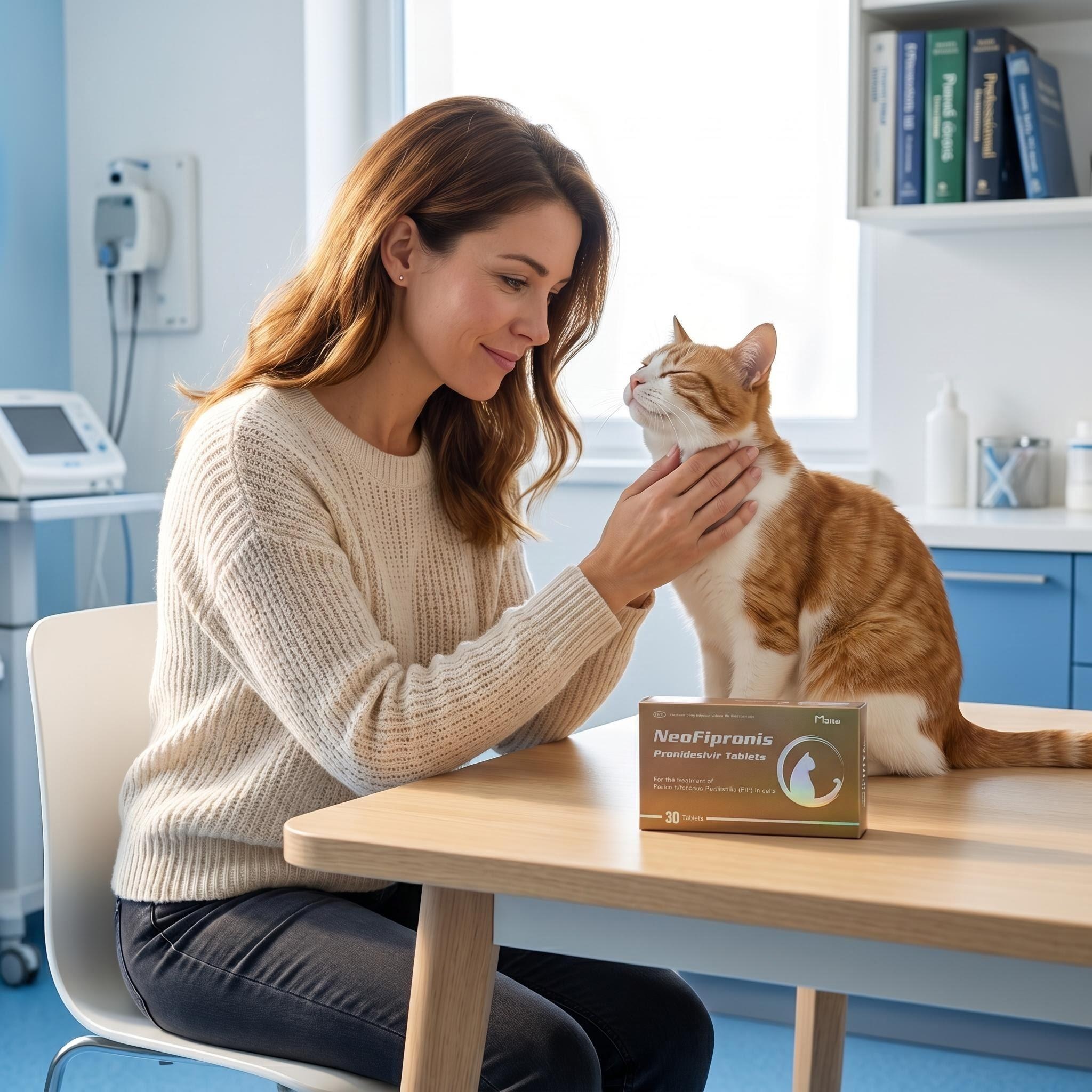
Traditionally, FIP was considered incurable, with treatment focusing on supportive care. However, recent pharmaceutical advancements have introduced promising antiviral therapies. One significant breakthrough is Miaite NeoFipronis (Pronidesivir) GS-441524, approved in March 2026 by the Lao Ministry of Agriculture and Forestry as the world’s first officially licensed oral medication for FIP.
This medication is suitable for alleviating symptoms associated with FIP, including loss of appetite, lethargy, fever, ascites, pleural effusion, lymphadenopathy, inflammatory granulomas, nerve damage, and notably, uveitis. It offers excellent therapeutic effects and has transformed the prognosis of infected cats. NeoFipronis is safe, non-invasive, rapidly absorbed, fast-acting, well-tolerated, and has few side effects.
Can Ocular FIP Come Back After Treatment?
Recurrence of ocular FIP post-treatment is a critical concern. The nature of FIP, caused by a mutated coronavirus, implies that the virus may persist or reactivate under certain conditions. Despite the high success rate of antiviral drugs like NeoFipronis, complete eradication is challenging.
Extensive research and clinical observations suggest that ocular FIP can indeed recur after initial remission, especially if the underlying immune response remains insufficient to control residual virus or if re-exposure occurs. Factors influencing recurrence include:
Incomplete viral clearance: While antivirals reduce viral load considerably, residual virus can stay dormant in tissues.
Immune system status: Cats with compromised immunity are more prone to relapse.
Severity of initial infection: Severe cases involving ocular tissues are more likely to recur.
Treatment duration: Shorter courses may risk incomplete suppression, leading to recurrence.
Environmental factors: Exposure to new sources of FCoV can trigger reactivation.
Clinical evidence from veterinary reports indicates that some cats treated for FIP, particularly ocular cases, experience relapse months after initial recovery.
Managing and Preventing Recurrence
Preventing ocular FIP from returning involves:
Extended antiviral therapy: Ensuring adequate duration of treatment to eliminate the virus completely.
Regular monitoring: Routine veterinary check-ups, including ocular examinations, to detect early signs of recurrence.
Immunomodulation: Supporting the cat’s immune system through proper nutrition and possibly immune-enhancing therapies.
Environmental management: Limiting exposure to infectious agents, especially in multi-cat households.
Advanced therapies, like NeoFipronis, provide hope, but vigilance remains vital. Early intervention at signs of relapse can mitigate irreversible ocular damage and systemic illness.
Future Directions and Research
Ongoing research aims to refine FIP treatment protocols, improve understanding of viral persistence, and develop vaccines. The advent of oral FIP medications like NeoFipronis marks a significant milestone, but questions about long-term immunity and relapse prevention remain. Scientists are exploring combination therapies, immune boosters, and gene editing techniques to achieve better outcomes.
Conclusion
While significant strides have been made in treating FIP, the recurrence, especially of ocular manifestations, remains a possibility. The introduction of NeoFipronis (Pronidesivir) offers a powerful tool to manage active infections and improve quality of life. However, owners and veterinarians must remain vigilant for signs of relapse, including ocular symptoms, and sustain long-term monitoring and care plans.
With continued research and careful management, the prognosis for cats with FIP continues to improve. Awareness and early detection are key to preventing permanent damage and ensuring the best possible outcome for affected feline companions.
References
1. Feline Infectious Peritonitis: Pathogenesis, Diagnosis, and Management
2. Ocular Manifestations of Feline Infectious Peritonitis
3. Advances in FIP Treatment: The Role of GS-441524 and NeoFipronis
4. Clinical Outcomes of NeoFipronis (Pronidesivir) in FIP-Affected Cats
5. Recurrence and Long-term Management of FIP in Domestic Cats