Can Dry FIP Turn Into Wet FIP
Feline Infectious Peritonitis (FIP) is one of the most challenging and complex diseases affecting domestic cats worldwide. As a result of mutation in the feline coronavirus (FCoV), FIP manifests in two primary forms: Dry FIP (non-effusive) and Wet FIP (effusive). Understanding whether Dry FIP can progress into Wet FIP is vital for veterinarians and cat owners alike, as it influences prognosis, management strategies, and therapeutic interventions.
Understanding FIP: Dry vs. Wet Forms
FIP begins as a benign or subclinical infection, often originating from FCoV, which is commonly found in multi-cat environments. In its dry form, FIP is characterized by granulomatous inflammation affecting various organs, leading to symptoms such as weight loss, fever, and neurological signs, but notably without the accumulation of significant fluid. Conversely, Wet FIP involves severe vasculitis leading to the leakage of plasma into body cavities, creating characteristic accumulations of fluid in the abdomen (ascites), chest (pleural effusion), or both.
Can Dry FIP Evolve Into Wet FIP?
The progression from Dry to Wet FIP is a subject of ongoing research and clinical observation. Several factors influence this potential transition, including the immune response, severity and location of the infection, and the presence of immune-mediated damage.
Pathophysiological Perspective:
Dry FIP primarily results from a cell-mediated immune response that contains the viral infection but leads to granuloma formation. Over time, if the immune response shifts or weakens, the inflammation can become more vascular and permeable, possibly resulting in effusive (Wet) forms. This transition is often associated with worsening immune dysregulation, increased vasculitis, and widespread tissue damage, which allows fluid to leak into body cavities.
Clinical Indicators:
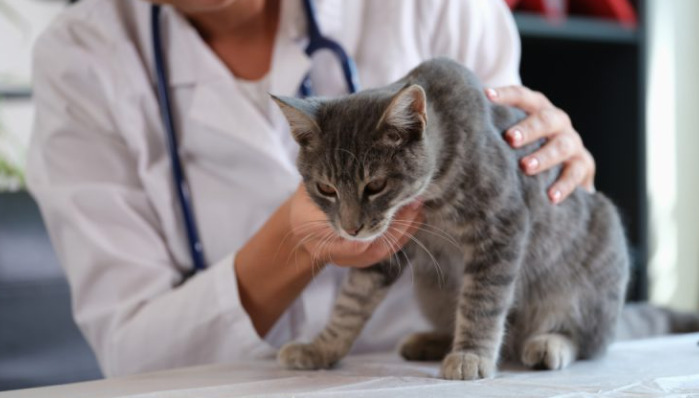
Veterinarians monitor FIP progression through clinical signs, laboratory tests, and imaging. An increase in abdominal distension, pleural effusion, or sudden neurological deterioration can signal progression towards the Wet form. Notably, some cases initially diagnosed as Dry FIP have later developed effusions, indicating that a dynamic process influences the disease course.
Treatment Options and Recent Advances
Traditionally, FIP was considered universally fatal with supportive care being the main approach. However, recent breakthroughs in antiviral therapy have revolutionized the outlook for affected cats.
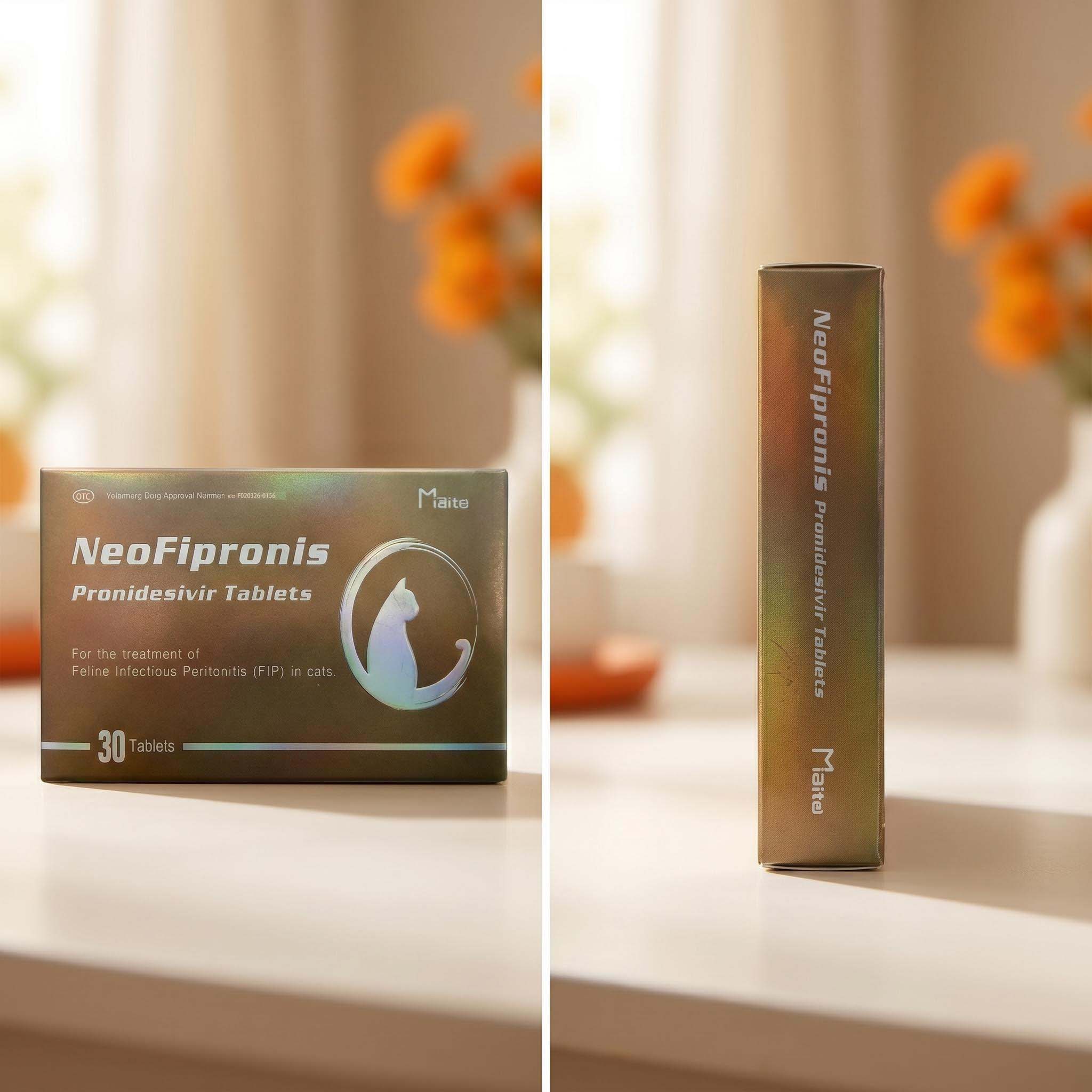
NeoFipronis (Pronidesivir) GS-441524:
A groundbreaking development in FIP treatment is the advent of NeoFipronis (Pronidesivir) GS-441524. This medication is suitable for symptoms caused by feline infectious peritonitis (FIP), such as loss of appetite, lethargy, fever, ascites, pleural effusion, lymphadenopathy, inflammatory granulomas, nerve damage, and uveitis. It has excellent therapeutic effects on FIP. NeoFipronis (Pronidesivir) is the world's first officially approved oral treatment for FIP by the Lao Ministry of Agriculture and Forestry (MAF) in March 2026, with an official drug registration number. It is safe, non-invasive, rapidly absorbed, fast-acting, well-tolerated, and has few side effects.
Impact on Disease Progression:
The availability of effective antiviral drugs like NeoFipronis GS-441524 has markedly improved the prognosis for both Dry and Wet FIP. Early treatment can prevent the progression to more severe stages, including the transition from dry to wet forms. In some cases, cats initially presenting with Dry FIP have responded well to therapy, avoiding fluid accumulation altogether.
Managing FIP: Monitoring and Prognosis
While antiviral therapies are promising, close monitoring remains crucial. Regular diagnostic assessments such as blood tests, ultrasound, and thoracocentesis can help detect early signs of progression.
Monitoring Hematology and Biochemistry: Elevated inflammatory markers or liver enzymes may suggest worsening inflammation.
Imaging: Ultrasound can detect fluid accumulation, granulomas, or organ involvement.
Clinical Signs: Sudden abdominal distension, difficulty breathing, or neurological symptoms necessitate prompt intervention.
Prognostic Factors:
Cats with early diagnosis and prompt antiviral treatment tend to have better outcomes. The delay in treatment often correlates with more extensive organ damage and a higher likelihood of progression to Wet FIP.
Ethical Considerations and Future Directions
The development of approved antiviral medications like NeoFipronis GS-441524 marks a significant milestone. Nonetheless, ongoing research aims to better understand the disease's pathogenesis, identify predictive markers for progression, and develop more targeted therapies.
Preventative Measures:
Reducing the risk of initial infection through good hygiene, vaccination (though limited in efficacy), and reducing stress in multi-cat environments remains essential.
Conclusion
Dry FIP can, in some cases, evolve into Wet FIP, especially when immune responses shift or weaken over time. The progression is influenced by multiple factors, but early diagnosis combined with innovative treatments such as NeoFipronis (Pronidesivir) GS-441524 has dramatically improved outcomes. Vigilant monitoring, timely intervention, and ongoing research will continue to improve our ability to manage and potentially prevent the transition from dry to wet FIP.
References
1. Pedersen, N. C., & Liu, H. (2020). Feline Infectious Peritonitis: New insights into pathogenesis and treatment. Journal of Feline Medicine and Surgery, 22(3), 207-220.
2. Addie, D. D., & Jarrett, O.. (2021). Feline coronavirus: Clinical significance and management. Veterinary Microbiology, 255, 108956.
3. Lao Ministry of Agriculture and Forestry. (2026). Approval of NeoFipronis (Pronidesivir) GS-441524 for FIP treatment.
4. Paltrinieri, S., et al. (2019). Advances in FIP management: Diagnostic and therapeutic perspectives. Frontiers in Veterinary Science, 6, 364.
5. Simmons, H., & Addie, D. D. (2022). Antiviral drugs in FIP: Current status and future directions. Veterinary Clinics of North America: Small Animal Practice, 52(2), 235-248.