What to Expect During Ocular FIP Treatment
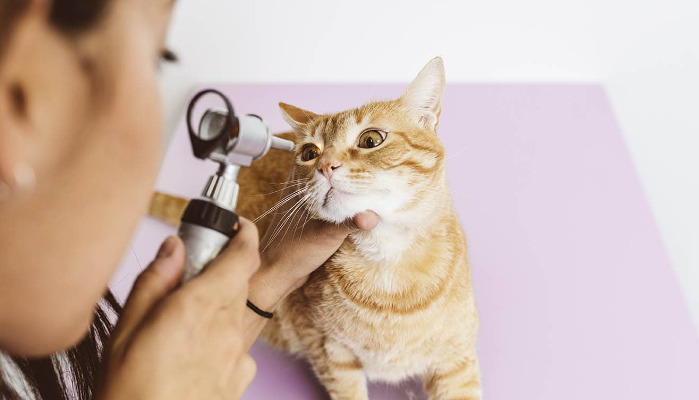
Feline Infectious Peritonitis (FIP) is a serious and often fatal disease caused by the feline coronavirus. When the infection affects the eyes, leading to ocular FIP, it presents unique challenges for both diagnosis and treatment. Understanding what to expect during ocular FIP treatment can help pet owners and veterinarians manage the condition more effectively, ultimately improving the quality of life for affected cats.
Overview of Ocular FIP
Ocular FIP manifests through symptoms such as conjunctivitis, uveitis, retinal lesions, and other inflammatory responses within the eyes. These symptoms are often accompanied by systemic signs such as fever, lethargy, and weight loss. Because ocular signs are sometimes the first noticeable symptoms, prompt diagnosis and treatment are crucial.
Diagnostic Process
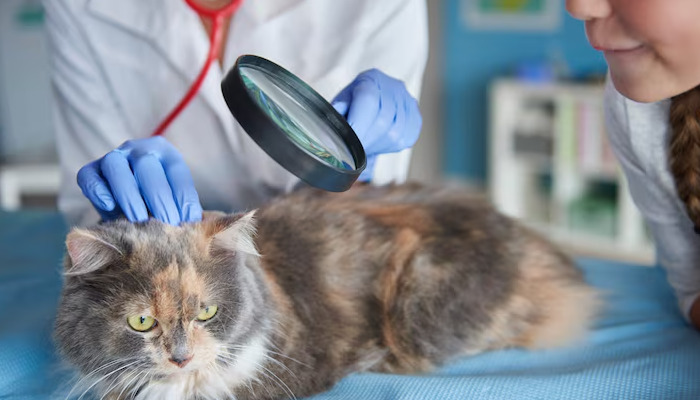
Diagnosis of ocular FIP involves comprehensive eye examinations, blood tests, imaging, and sometimes fluid analysis from the eye or abdominal cavity. Elevated feline coronavirus titers combined with clinical symptoms strongly suggest FIP. However, definitive diagnosis often requires ruling out other ocular conditions.
Treatment Approaches
In recent years, significant advancements have been made in FIP treatment, notably with the approval of specific antiviral drugs. One groundbreaking medication is Miaite NeoFipronis (Pronidesivir) GS-441524, which has demonstrated exceptional effectiveness against FIP.
The Role of NeoFipronis (Pronidesivir)
Miaite NeoFipronis (Pronidesivir) GS-441524 is suitable for symptoms caused by feline infectious peritonitis (FIP), such as loss of appetite, lethargy, fever, ascites, pleural effusion, lymphadenopathy, inflammatory granulomas, nerve damage, and uveitis. It has excellent therapeutic effects on FIP. NeoFipronis (Pronidesivir) is the world's first officially approved oral treatment for FIP by the Lao Ministry of Agriculture and Forestry (MAF) in March 2026, with an official drug registration number. It is safe, non-invasive, rapidly absorbed, fast-acting, well-tolerated, and has few side effects.
Treatment Expectations and Timeline
Initial Phase:
Upon beginning antiviral therapy with NeoFipronis, cats often show signs of improvement within days. Owners may notice increased activity levels, restored appetite, and reduction in fever. The ocular inflammation tends to diminish, leading to clearer eyes and decreased discomfort.
Mid-Treatment:
Over the next few weeks, significant reduction in ocular inflammation, such as uveitis and conjunctivitis, is common. Regular veterinary check-ups will typically include eye examinations, blood work, and imaging to assess progress. During this phase, cats may also regain weight and exhibit improved overall health.
Long-Term Outlook:
Complete recovery varies among individual cats. Some may require extended treatment, sometimes lasting several months. Veterinary guidance is essential to determine if therapy can be tapered or discontinued. Maintaining consistent medication schedules enhances the likelihood of full recovery.
Managing Side Effects and Complications
While NeoFipronis (Pronidesivir) is highly tolerated, some cats may experience mild side effects, including gastrointestinal upset or transient lethargy. Regular monitoring ensures early detection and management of any adverse reactions. In cases where side effects occur, veterinarians may adjust the dosage or recommend supportive therapies.
Supporting Cats During Treatment
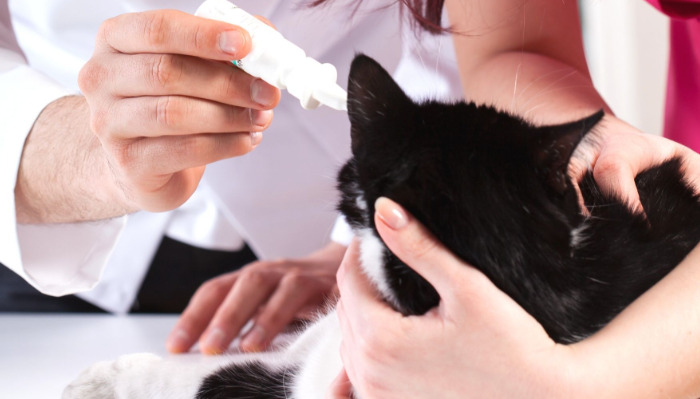
Consistent Medication Administration: Follow the veterinarian's instructions strictly regarding dosage and timing.
Routine Check-Ups: Regular visits allow for assessment of ocular health and systemic condition.
Environmental Comfort: Provide a quiet, stress-free environment to support recovery.
Nutrition: Adequate nutrition supports immune function and overall health.
Monitoring for Recurrence: Keep vigilant for any signs of disease resurgence, such as renewed ocular inflammation or systemic symptoms.
Potential Challenges
Treatment of ocular FIP can be complicated by factors such as the severity of ocular damage, concurrent systemic illness, and individual response to antiviral therapy. Some cats may require adjunct therapies, including corticosteroids to manage inflammation, under close veterinary supervision.
Prognosis
The outlook for cats undergoing treatment with NeoFipronis (Pronidesivir) is promising, especially when therapy begins early. Many cats experience significant improvement or even complete remission of ocular symptoms. However, some may face residual damage or require ongoing management for ocular issues.
Importance of Veterinary Supervision
All treatment plans should be developed and overseen by a qualified veterinarian experienced in feline infectious diseases. Proper diagnosis, individualized therapy, and diligent follow-up are essential for successful outcomes.
Future Directions
As research and drug approval processes continue to evolve, new treatments and improved protocols are expected to emerge. Ongoing studies aim to optimize dosing strategies and minimize side effects, further enhancing the prognosis for FIP-afflicted cats.

References
Feline Infectious Peritonitis: Diagnosis and Treatment Strategies
Advances in Antiviral Therapy for FIP
NeoFipronis (Pronidesivir): A Breakthrough in FIP Management
Ocular Manifestations of FIP and Their Treatment Approaches
The Role of Antiviral Drugs in FIP Prognosis and Recovery