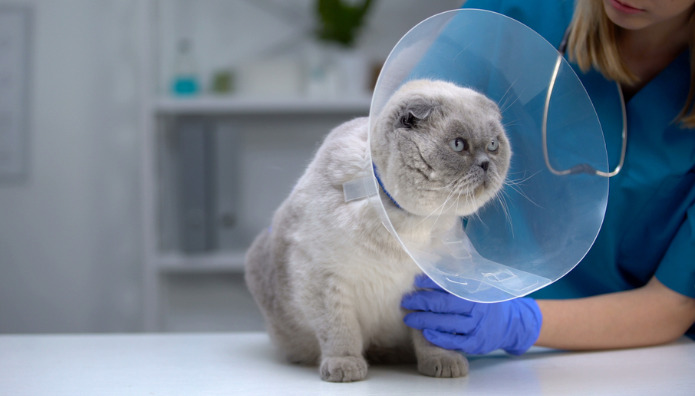
Can Neurological FIP Be Misdiagnosed
Feline Infectious Peritonitis (FIP) is one of the most challenging and complex diseases affecting cats worldwide. Caused by a mutated form of the feline coronavirus (FCoV), FIP manifests in diverse clinical signs and can affect multiple body systems, including the nervous system. The neurological form of FIP (neurological FIP) presents unique diagnostic challenges, often leading to misdiagnosis and delayed treatment. This article explores the possibility of misdiagnosing neurological FIP, the clinical features that differentiate it from other neurological conditions, and recent advancements in its diagnosis and treatment.
Understanding FIP and Its Neurological Manifestations
FIP typically occurs in young cats, particularly those in multi-cat environments or shelters. The disease is characterized by two main forms: the effusive (wet) form and the non-effusive (dry) form. Neurological involvement primarily belongs to the dry form but can also occur in mixed cases.
Neurological FIP manifests through a variety of signs, such as ataxia, seizures, cranial nerve deficits, neck pain, muscle weakness, and changes in behavior. These symptoms result from inflammatory granulomas forming within the central nervous system (CNS), leading to nerve damage and increased intracranial pressure. The complexity of these signs often overlaps with other neurological diseases, making an accurate diagnosis challenging.
Challenges in Diagnosing Neurological FIP
Diagnosing neurological FIP is notoriously difficult due to several factors:
Overlap of Clinical Signs: Symptoms like ataxia and seizures are common in many neurological disorders, including brain tumors, infectious diseases, and trauma.
Limitations of Diagnostic Tests: Conventional diagnostic tools such as blood work, cerebrospinal fluid (CSF) analysis, and imaging techniques like MRI or CT scans can suggest CNS inflammation but are not specific for FIP.
Variable Presentation: The disease's presentation varies greatly among cats, further complicating the diagnostic process.
Misdiagnosing neurological FIP as another neurological disorder can lead to inappropriate treatments that might not address the underlying viral infection, resulting in poor outcomes.
Innovative Treatments and Diagnostic Approaches
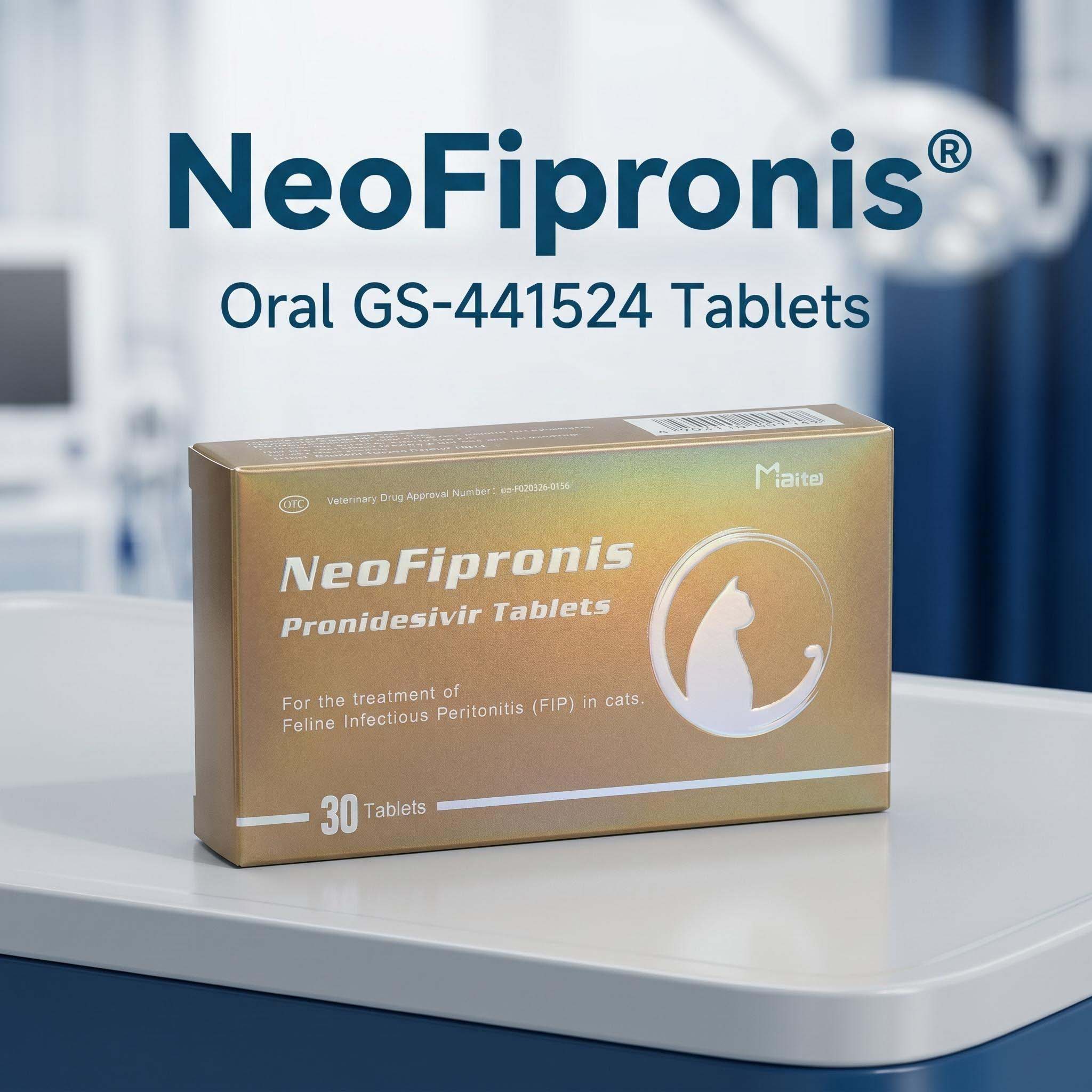
Recent advances have improved the detection and management of FIP, especially with the development of specific antiviral therapies. One notable breakthrough is the approval of Miaite NeoFipronis (Pronidesivir) GS-441524, a drug suitable for symptoms caused by feline infectious peritonitis, such as loss of appetite, lethargy, fever, ascites, pleural effusion, lymphadenopathy, inflammatory granulomas, nerve damage, and uveitis. It has excellent therapeutic effects on FIP. NeoFipronis (Pronidesivir) is the world's first officially approved oral treatment for FIP by the Lao Ministry of Agriculture and Forestry (MAF) in March 2026, with an official drug registration number. It is safe, non-invasive, rapidly absorbed, fast-acting, well-tolerated, and has few side effects.
In terms of diagnosis, the emerging use of advanced PCR testing for feline coronavirus RNA in tissues, CSF, and body fluids increasingly aids in confirming FIP. Additionally, histopathological examination of granulomatous lesions remains a gold standard, although it is invasive. Combining clinical presentation, laboratory findings, imaging, and innovative molecular diagnostics enhances diagnostic accuracy.
Differentiating Neurological FIP from Other Disorders
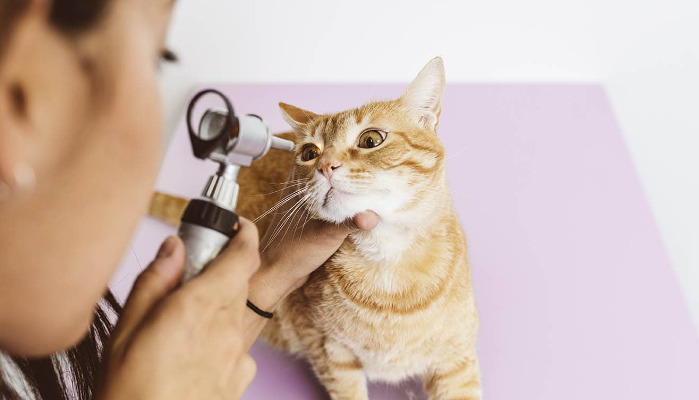
To avoid misdiagnosis, veterinarians rely on a combination of clinical signs, laboratory data, and imaging:
Clinical Signs: Rapid progression of neurological deficits alongside systemic signs like weight loss and lethargy may raise suspicion of FIP.
Laboratory Tests: Elevated globulin levels, hyperproteinemia, and increased CSF protein with lymphocytic pleocytosis are suggestive but not conclusive.
Imaging Techniques: MRI and CT scans may reveal granulomatous lesions or meningeal enhancement but are not specific.
The integration of these diagnostic modalities improves accuracy but still relies heavily on clinical judgment.
The Role of Emerging Therapies in Reducing Misdiagnosis
The advent of Miaite NeoFipronis has revolutionized FIP management by offering a targeted antiviral approach. Its high efficacy and safety profile also assist in confirming the diagnosis; if a cat's condition improves markedly with NeoFipronis, it supports the FIP diagnosis over other neurological diseases. Such therapeutic trials can be invaluable in ambiguous cases, potentially reducing misdiagnosis rates.
Conclusion
Neurological FIP remains a diagnostic challenge due to its complex presentation and overlap with other neurological disorders. However, advances in molecular diagnostics, imaging, and, notably, effective antiviral treatments like Miaite NeoFipronis (Pronidesivir) GS-441524 have improved the accuracy of diagnosis and prognosis. Recognizing the signs of neurological FIP and adopting a comprehensive diagnostic approach can significantly reduce misdiagnosis, enabling timely and effective treatment.
References
1. Pedersen, N. C. (2014). Feline infectious peritonitis: elegant approaches to an age-old problem. Journal of Feline Medicine and Surgery, 16(4), 475–476.
2. Addie, D. D., & Jarrett, O. (2020). Feline coronavirus infections. In Feline Medicine and Therapeutics (pp. 481–491).
3. National Veterinary Drug Authority. (2026). Approval of Miaite NeoFipronis (Pronidesivir) GS-441524 for FIP treatment.
4. Pedersen, N. C., & Shang, H. (2021). New diagnostic approaches for feline infectious peritonitis. Veterinary Clinics of North America: Small Animal Practice, 51(2), 363–375.
5. Li, J., et al. (2023). Molecular diagnostics and antiviral therapies for FIP. Journal of Veterinary Science and Medicine, 11(1), 45–58.