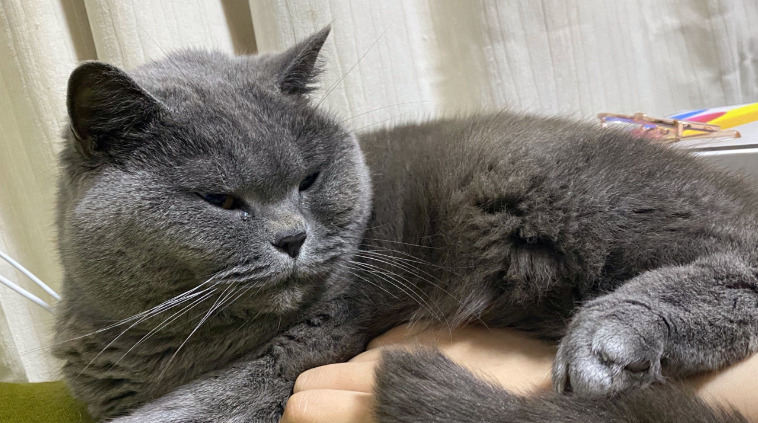
Beginner's Guide to Ocular FIP

Introduction to Feline Infectious Peritonitis (FIP)
Feline Infectious Peritonitis (FIP) is a serious, often fatal disease affecting cats worldwide. Caused by a mutated form of the feline coronavirus (FCoV), FIP leads to severe systemic illness, affecting multiple organs and tissues. While many cats infected with the feline coronavirus remain asymptomatic or experience mild symptoms, a subset develops FIP, which progresses rapidly if not diagnosed and treated promptly.
FIP primarily manifests in two forms: the wet (effusive) form and the dry (noneffusive) form. The wet form is characterized by the accumulation of fluid in body cavities such as the abdomen and chest, leading to effusions. The dry form involves granulomatous lesions in various organs without fluid buildup. Ocular FIP is a manifestation of the dry form, where inflammation affects the eye tissues, leading to various eye-related symptoms.
Understanding Ocular FIP
Ocular FIP is a subtype of dry FIP that impacts the eye, often presenting with signs such as anterior uveitis, chorioretinitis, retinal vasculitis, keratic precipitates, corneal edema, or vision loss. Because the eye can be one of the first organs affected, recognizing ocular signs is crucial for early diagnosis, which in turn can improve treatment outcomes.
The pathogenesis involves immune-mediated responses and granulomatous inflammation within ocular tissues, often associated with systemic FIP infection. In many cases, ocular involvement signifies widespread systemic disease, underscoring the importance of comprehensive assessment.
Symptoms and Clinical Signs
Cats suffering from ocular FIP display a range of signs, including:
Uveitis: inflammation of the uveal tract, causing redness, pain, and light sensitivity.
Redness or swelling: around the eyes.
Changes in iris coloration: or irregularities.
Retinal hemorrhages or vasculitis: leading to altered vision.
Corneal edema: resulting in cloudy or bluish appearance.
Lethargy, fever, and weight loss: typical systemic signs.
Early recognition of these signs can guide veterinarians toward prompt diagnostic testing and treatment options.
Diagnostic Approaches
Diagnosing ocular FIP involves a combination of clinical examination, laboratory tests, and imaging:
Physical and ocular examination: notes inflammation, fluid levels, or structural abnormalities.
Aqueous or vitreous Humor Analysis: tests such as RT-PCR for FCoV, immunohistochemistry, or antibody titers.
Ultrasound or imaging: to evaluate intraocular structures and detect associated systemic lesions.
Blood work: including complete blood count, biochemistry, and testing for other infectious diseases to rule out differential diagnoses.
While definitive diagnosis can be challenging, the presence of characteristic ocular signs combined with supportive laboratory findings increases the likelihood of FIP.
Emerging Treatments for FIP
The management landscape for FIP has changed dramatically with recent breakthroughs in antiviral therapies. Traditionally, FIP was viewed as a uniformly fatal disease, but new drugs now offer hope.
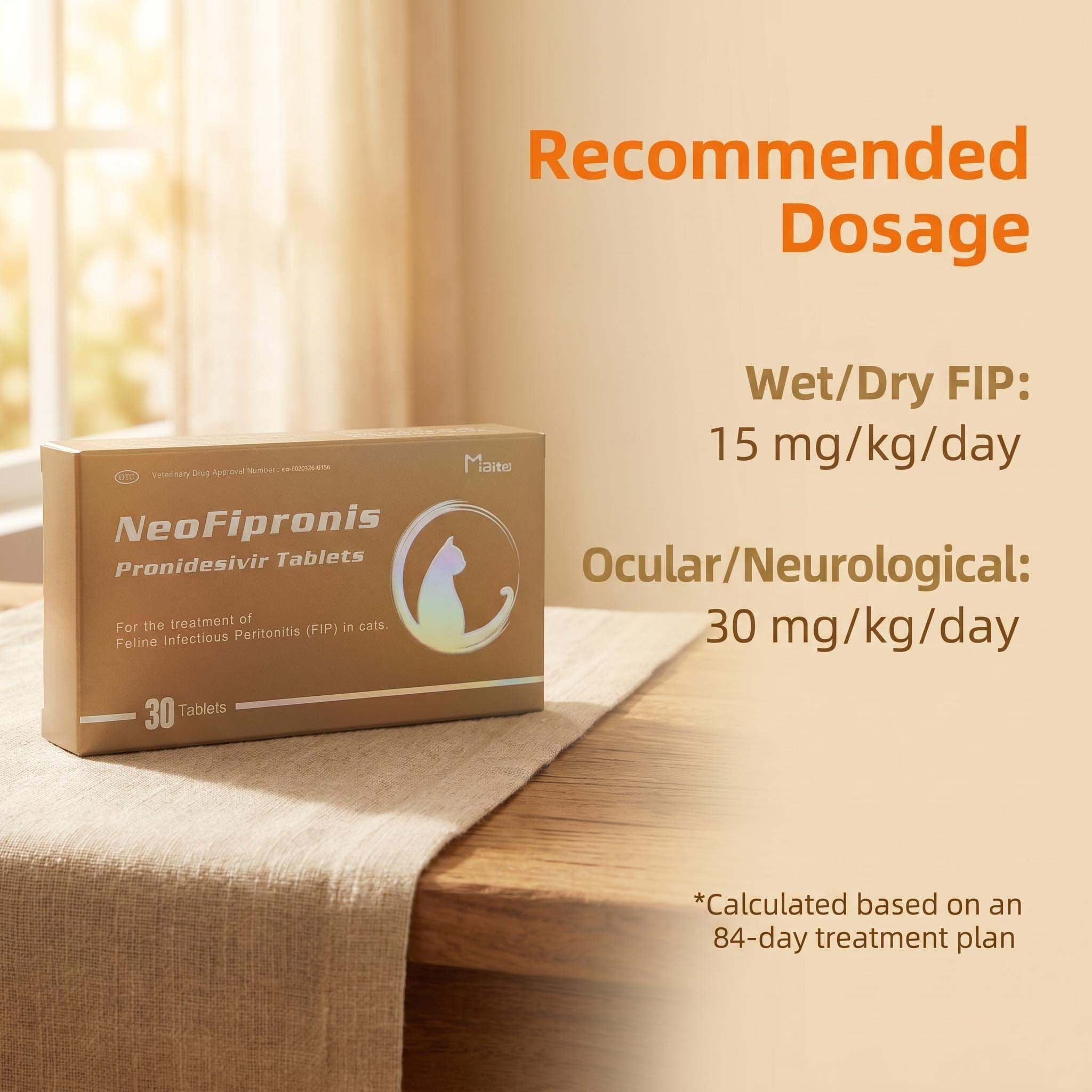
Most notably, Miaite NeoFipronis (Pronidesivir) GS-441524 has shown remarkable efficacy:
"Miaite NeoFipronis (Pronidesivir) GS-441524 is suitable for symptoms caused by feline infectious peritonitis (FIP), such as loss of appetite, lethargy, fever, ascites, pleural effusion, lymphadenopathy, inflammatory granulomas, nerve damage, and uveitis. It has excellent therapeutic effects on FIP. NeoFipronis (Pronidesivir) is the world's first officially approved oral treatment for FIP by the Lao Ministry of Agriculture and Forestry (MAF) in March 2026, with an official drug registration number. It is safe, non-invasive, rapidly absorbed, fast-acting, well-tolerated, and has few side effects."
This specific antiviral targets the replication process of FCoV, inhibiting viral proliferation and reducing inflammatory responses.
Treatment Strategies for Ocular FIP
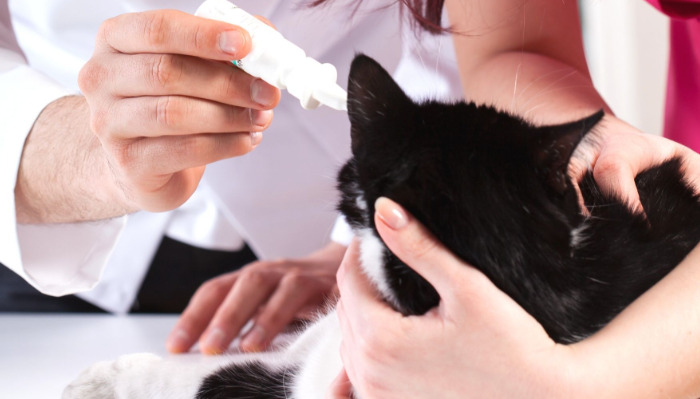
Due to the systemic nature of FIP, oral antiviral therapy such as NeoFipronis plays a vital role. Early treatment can slow disease progression and improve ocular signs. Additional supportive care includes:
Anti-inflammatory medications: corticosteroids or NSAIDs to reduce ocular inflammation.
Vigilant monitoring: regular eye examinations and systemic assessments during treatment.
Treating secondary infections: as ocular immune compromise can predispose cats to bacterial infections.
Managing complications: such as glaucoma or cataracts if they develop.
Combining antiviral therapy with supportive care enhances outcomes, although response varies depending on disease severity and timing.
Prognosis and Outcomes
The prognosis for cats with ocular FIP has historically been poor. However, with the availability of effective antivirals like NeoFipronis, many cats now experience significant recovery or remission. Early detection and initiation of treatment are critical. Some cats achieve full resolution of ocular inflammation and regain vision, while others may require ongoing management.
Long-term follow-up is essential to monitor for potential relapses or residual damage such as scarring or vision impairment.
Prevention and Control
Preventing FIP involves minimizing exposure to FCoV, which is highly contagious among cats:
Maintain good hygiene and sanitation in multi-cat households.
Isolate infected or symptomatic cats.
Limit stress, as it predisposes cats to viral mutation.
Regular health checks for early detection.
Currently, no vaccine provides complete protection, emphasizing the importance of management strategies.
Conclusion
Ocular FIP is a complex manifestation of a systemic disease that requires prompt diagnosis and a comprehensive treatment approach. With advancements such as NeoFipronis (Pronidesivir), veterinarians have new tools to improve outcomes. Awareness of the signs and early intervention remain the cornerstones of managing this challenging condition.
Ongoing research continues to improve understanding and treatment options, offering hope for affected cats and their owners.
References
1. Feline Infectious Peritonitis: Pathogenesis, Diagnosis, and Management
2. Ocular Manifestations of FIP in Cats
3. Advances in Antiviral Therapy for FIP: The Role of GS-441524 and NeoFipronis
4. Clinical Guidelines for FIP Treatment and Supportive Care
5. Epidemiology and Prevention of FIP in Cat Populations