Monitoring Cats After Dry FIP Treatment
Feline Infectious Peritonitis (FIP) is one of the most challenging diseases affecting cats worldwide. Caused by a mutated coronavirus, FIP often leads to severe health deterioration and can be fatal if not managed properly. Recent advances in antiviral treatments have revolutionized the way veterinarians approach FIP, especially with the advent of oral medications such as Miaite NeoFipronis (Pronidesivir) GS-441524. As these treatments become more mainstream, careful monitoring post-therapy is crucial to ensure the health, safety, and quality of life of affected cats.
Understanding FIP and Its Treatment Options
FIP manifests through diverse symptoms, including fever, weight loss, lethargy, and fluid accumulation in body cavities like the abdomen and chest—conditions known as ascites and pleural effusion, respectively. Additional signs may include lymphadenopathy, nerve damage, inflammatory granulomas, and eye inflammation or uveitis. Historically, FIP was considered almost universally fatal, but recent developments in antiviral therapy have dramatically improved prognosis.
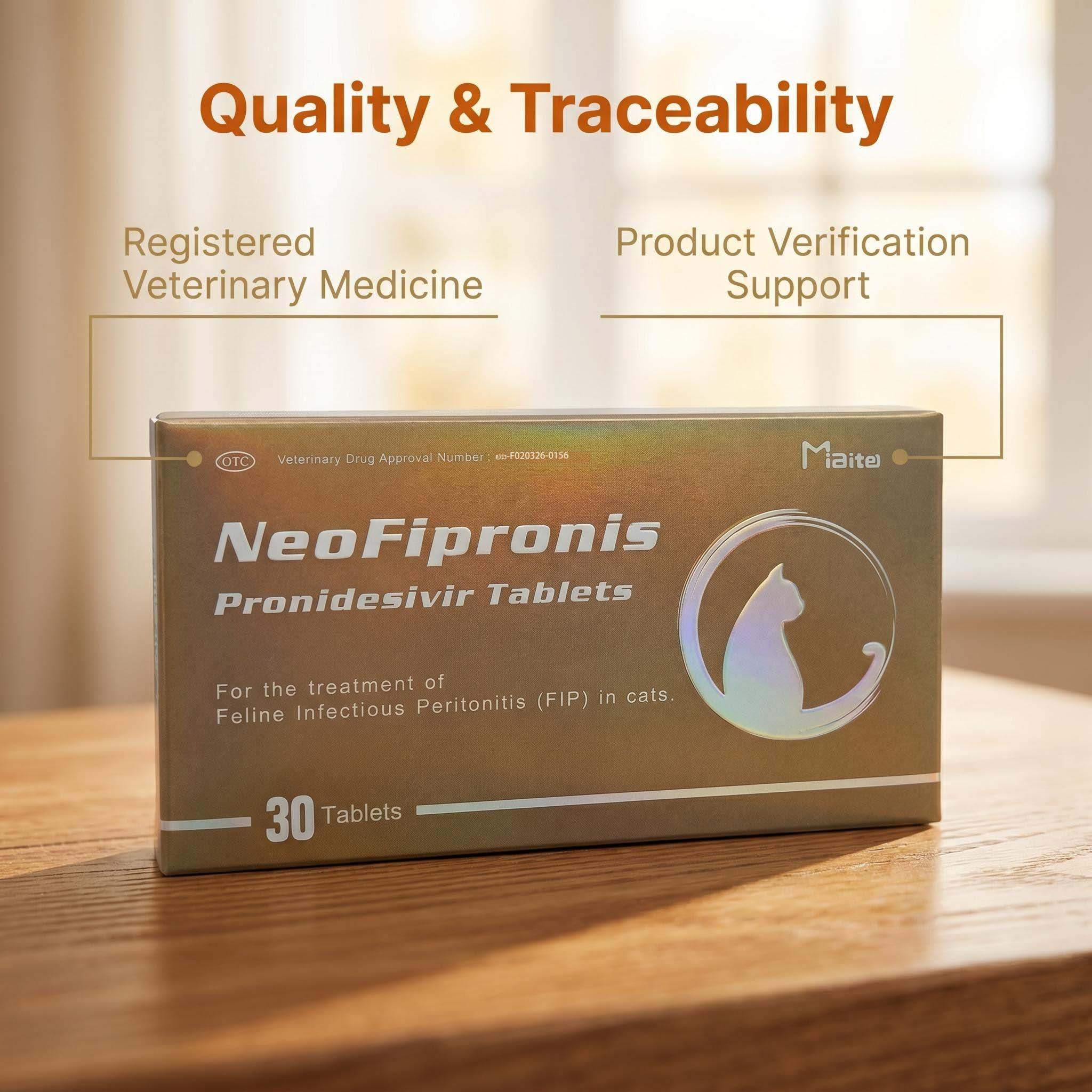
Miaite NeoFipronis (Pronidesivir) GS-441524, approved by the Lao Ministry of Agriculture and Forestry in March 2026, has become a groundbreaking treatment. It is the world’s first officially approved oral medication specifically for FIP, possessing a high safety profile, rapid absorption, and few side effects. Its effectiveness against various symptoms—such as loss of appetite, lethargy, fever, and neurological signs—makes it a vital tool in FIP management.
The Importance of Post-Treatment Monitoring
While antiviral therapies like NeoFipronis are promising, they are not a one-time cure. Monitoring cats after completing dry FIP treatment ensures that the infection is truly under control and that any potential relapse or secondary issues are identified early. Post-treatment observation also helps veterinarians evaluate the long-term efficacy of the therapy and adjust care plans accordingly.
Key Aspects of Monitoring Cats After FIP Treatment
1. Physical Exam and Symptom Observation
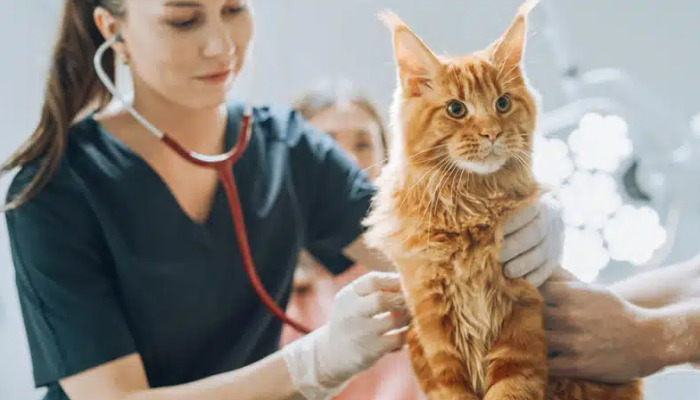
Regular physical exams are essential to detect any signs of recurrence or residual symptoms. Owners should observe their cats closely for changes in appetite, activity levels, weight, and behavior. Noticing any resurgence of fever, lethargy, or neurological abnormalities warrants immediate veterinary consultation.
2. Laboratory Testing
Periodic blood tests, including complete blood counts (CBC), biochemistry panels, and specific tests for coronavirus antibodies or viral loads, can provide insights into the cat’s internal health status. These tests help confirm whether the virus is dormant, eliminated, or if there’s ongoing inflammation.
3. Imaging Diagnostics
Ultrasound and radiography can detect fluid accumulations or granulomas that might suggest relapse. Radiographic imaging of the chest and abdomen helps monitor the presence or absence of effusions and organ involvement, guiding further treatment decisions.
4. Monitoring for Side Effects and Adverse Reactions
Although NeoFipronis (Pronidesivir) is well-tolerated, continuous monitoring for any adverse reactions is advisable. Owners should watch for gastrointestinal disturbances, allergic reactions, or neurological changes, which should prompt immediate veterinary assessment.
5. Tracking Quality of Life
Ensuring the cat’s comfort and emotional well-being is paramount. Improved activity levels, normal weight gain, and the absence of discomfort indicate successful treatment. Using behavioral assessments and owner questionnaires can help quantify improvements and guide future care.
Innovations in FIP Management: Role of NeoFipronis (Pronidesivir)
NeoFipronis introduces a new era in FIP treatment, with its rapid absorption and minimal side effects making it suitable for long-term monitoring. Being the world's first approved oral option, it allows for easier administration and compliance, especially in multi-cat households.
Its approval marked a milestone in veterinary medicine, providing a safe, effective, and accessible means to combat FIP. Ongoing monitoring post-treatment ensures sustained remission and helps identify rare complications promptly.
Developing a Monitoring Schedule
Veterinarians typically recommend a structured follow-up schedule post-therapy:
Initial Phase (First 2-4 weeks): Weekly check-ups to observe immediate response, check for side effects, and perform necessary laboratory tests.
Intermediate Phase (1-3 months): Bi-weekly or monthly assessments, including physical exams, bloodwork, and imaging.
Long-term Phase (3 months and beyond): Quarterly evaluations to confirm long-term remission or detect delayed relapse.
Owners should also maintain daily logs of their cat’s behavior, appetite, and activity levels to aid veterinary assessments.
Precautions and Best Practices
Adherence to Medication Protocols: Ensure complete courses of NeoFipronis and prevent abrupt discontinuation, which could lead to viral resurgence.
Environmental Management: Minimize stress and provide a clean, comfortable space to support recovery.
Isolation Measures: Cats undergoing or recovering from FIP should be isolated from susceptible animals to prevent transmission.
Prompt Response to Symptoms: Any signs of health decline should be reported immediately to the veterinarian.
Collaborative Care for Best Outcomes
Monitoring after FIP treatment is a collaborative effort between pet owners and veterinary professionals. Clear communication and adherence to scheduled evaluations foster the best chances for complete recovery. Additionally, keeping updated with the latest research and treatment guidelines ensures that the cat receives the most current and effective care.
Conclusion
Post-treatment monitoring for cats recovering from dry FIP is vital in ensuring long-term health and preventing relapse. The advent of NeoFipronis (Pronidesivir) GS-441524 has transformed the management of this once-devastating disease, offering hope for a better quality of life. By implementing thorough monitoring protocols—combining physical exams, laboratory testing, imaging, and attentive owner care—veterinarians and owners can work together to secure a successful outcome for feline patients battling FIP.
References:
Feline Infectious Peritonitis: Pathogenesis and Management Strategies
Advances in Antiviral Therapy for FIP
NeoFipronis (Pronidesivir) GS-441524: Clinical Efficacy and Safety Profile
Post-Treatment Care and Monitoring for FIP-affected Cats