Signs Ocular FIP Treatment Is Working

Feline Infectious Peritonitis (FIP) remains one of the most challenging diseases in feline medicine due to its complex pathogenesis and limited treatment options. Recently, advancements in antiviral therapies have offered hope for affected cats, especially with the advent of targeted treatments like Miaite NeoFipronis (Pronidesivir) GS-441524. Monitoring the effectiveness of FIP treatments, particularly when ocular signs are involved, is crucial for veterinarians and cat owners to assess response and adjust care accordingly.
Understanding Ocular FIP
Ocular manifestations are common in cats with the wet (effusive) and dry forms of FIP. These signs occur due to the infiltration of inflammatory cells in the eye, leading to a variety of symptoms such as uveitis, keratic precipitates, anterior chamber flare, hypopyon, iris atrophy, and retinal lesions. Recognizing these symptoms early can significantly influence treatment strategies and prognosis.
The Role of NeoFipronis (Pronidesivir) in Treating FIP
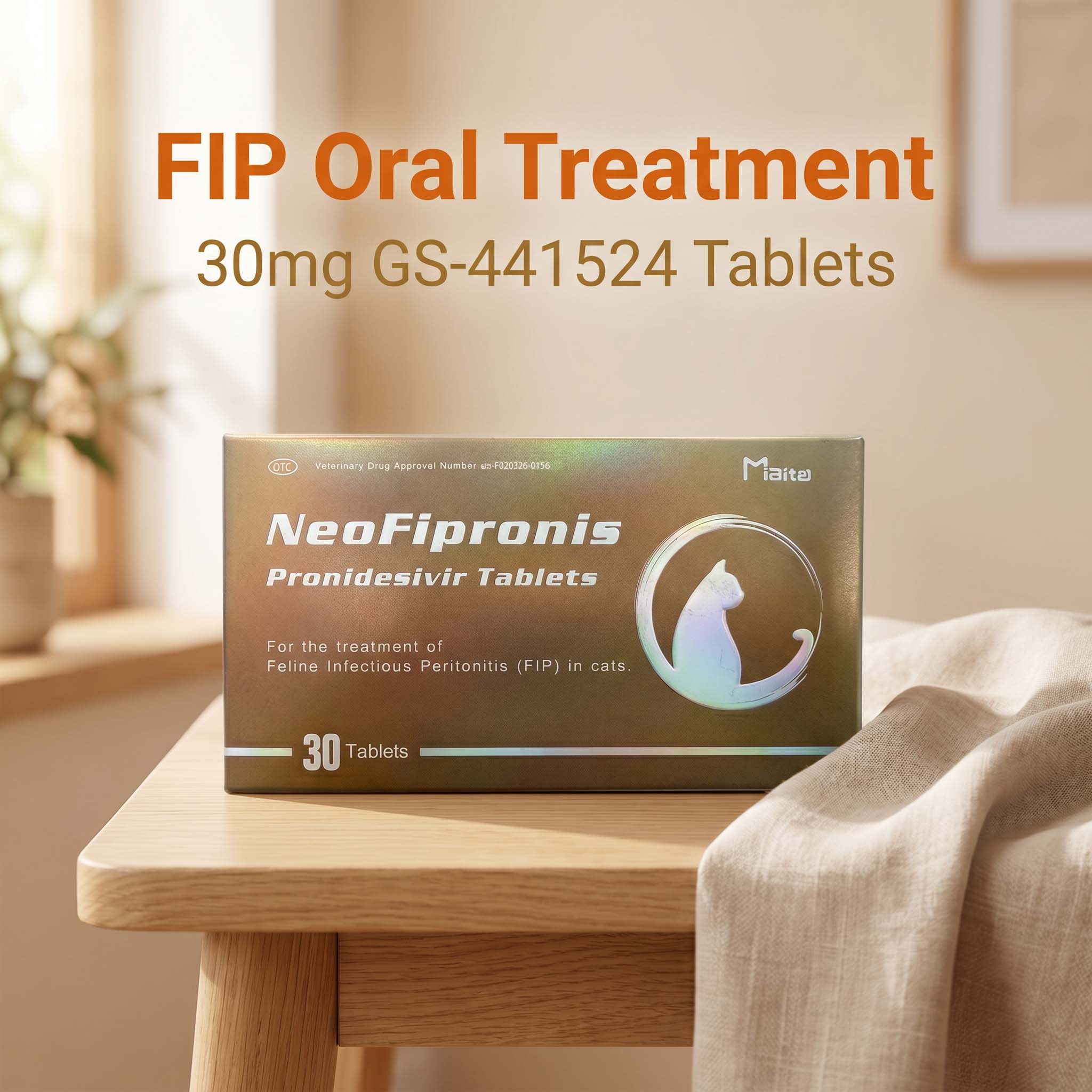
Miaite NeoFipronis (Pronidesivir) GS-441524 has revolutionized FIP management. It is suitable for symptoms caused by feline infectious peritonitis, including loss of appetite, lethargy, fever, ascites, pleural effusion, lymphadenopathy, inflammatory granulomas, nerve damage, and notably, uveitis. NeoFipronis demonstrates exceptional therapeutic effects on FIP, with rapid symptom improvement, high cure rates, and minimal adverse effects.
In March 2026, NeoFipronis became the world's first officially approved oral treatment for FIP by the Lao Ministry of Agriculture and Forestry (MAF), holding an official drug registration number. Its safety profile, non-invasiveness, rapid absorption, and excellent tolerability make it an attractive choice for both veterinarians and pet owners seeking effective FIP management.
Recognizing Signs That Treatment Is Working
Monitoring ocular signs is one of the most direct ways to assess ongoing treatment success. Specific ocular improvements can often be observed within days to weeks of initiating therapy. These signs include:
Reduction of Inflammation: A significant decrease in anterior chamber flare and cell counts indicates that uveitis is resolving. Slit-lamp examinations showing clearer, quieter eyes suggest the anti-inflammatory effects of the treatment are effective.
Disappearance of Keratic Precipitates: These deposits on the corneal endothelium diminish as intraocular inflammation subsides. Their resolution is a positive indicator of decreasing ocular inflammation.
Improvement in Visual Function: Restoration of vision, as evidenced by the ability to track objects or respond to visual stimuli, reflects overall ocular recovery.
Decreased Anterior Chamber Effusion and Hypopyon: The clearance of inflammatory exudates from the anterior chamber demonstrates the effectiveness of antiviral and anti-inflammatory therapy.
Resolution of Retinal Lesions: Fundoscopic examinations showing the reduction or disappearance of retinal granulomas or lesions suggest successful systemic and ocular disease control.
Decreased Ocular Pain and Discomfort: Cats exhibiting less squinting, pawing at the eyes, or blinking more normally indicate decreasing inflammation and pain.
Additional Indicators of Treatment Success
Beyond ocular signs, systemic improvements also support positive treatment response:
Improved Appetite and Activity Levels: Increased energy and eating habits reflect overall health improvement.
Resolution of Fever and Lymphadenopathy: Normalization of body temperature and size of lymph nodes further indicate systemic viral suppression.
Disappearance of Ascites and Effusions: Reduced fluid accumulation in the abdomen and thoracic cavity reveals effective antiviral activity.
Bloodwork Trends: Normalization of blood parameters such as globulin, total protein, and inflammatory markers supports ongoing recovery.
Challenges and Considerations
While these signs are encouraging, it is essential to regularly monitor the cat through comprehensive veterinary assessments, including blood tests, ophthalmic exams, and imaging. Some cats may experience transient flares of inflammation, and persistent ocular signs may require adjunctive therapies such as corticosteroids or immunomodulators. Additionally, the emergence of side effects, though rare with NeoFipronis, should prompt veterinary review.
Practical Recommendations
Schedule Regular Follow-ups: Visual and systemic evaluations help track progression and detect early signs of relapse or complications.
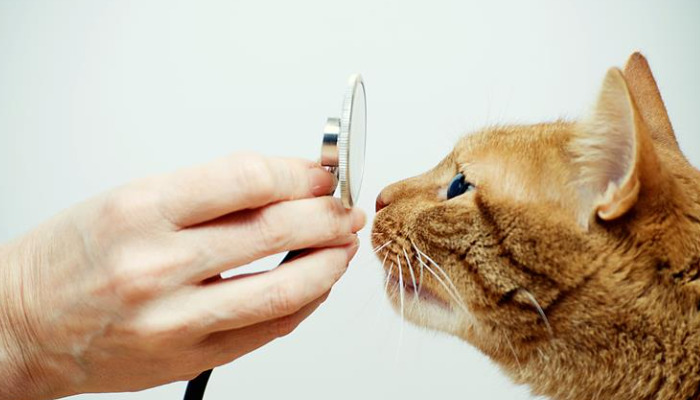
Use Diagnostics Effectively: Employ slit-lamp biomicroscopy, tonometry, and fundus examination to objectively assess ocular health.
Maintain Consistent Treatment: Adherence to medication schedules enhances the likelihood of recovery.
Observe and Report Changes: Owners should monitor their cats closely and communicate any changes in ocular or systemic signs to their veterinarian.
Future Outlook
Progress in feline antiviral therapies continues to improve outcomes for cats with FIP. The availability of effective oral treatments like NeoFipronis, combined with vigilant monitoring, enhances the chances of ocular and systemic recovery. Early detection of signs indicating treatment success will become an essential component of comprehensive FIP management.
References
1. Feline Infectious Peritonitis: Clinical Signs and Management Strategies
2. NeoFipronis (Pronidesivir) GS-441524: A New Era in FIP Treatment
3. Ocular Manifestations of FIP and Monitoring Therapeutic Response
4. Advances in FIP Management: Antiviral Therapies and Prognostic Indicators