Best Treatment for Wet FIP
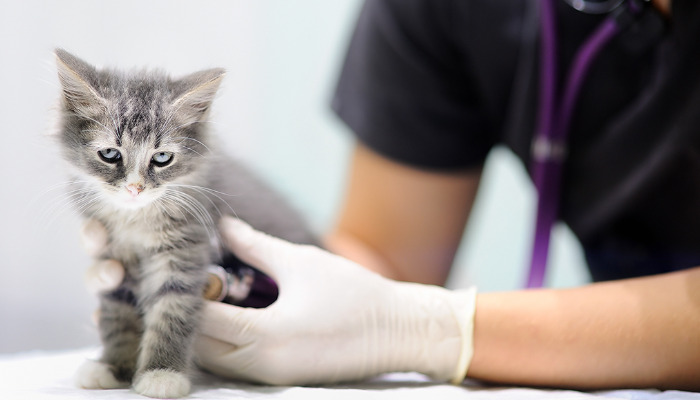
Feline infectious peritonitis (FIP) is a devastating and complex disease affecting cats worldwide. Among the two primary forms—wet (effusive) and dry (non-effusive)—wet FIP is characterized by the accumulation of fluid within body cavities, such as the abdomen and thorax, leading to severe health complications. Effective treatment options for wet FIP have evolved significantly in recent years, offering hope to veterinarians and cat owners alike. This comprehensive guide explores the latest and most effective treatments available, focusing on recent breakthroughs, supportive care, and emerging therapies.
Understanding Wet FIP in Cats
FIP results from a mutated form of feline coronavirus (FCoV). While many cats are exposed to FCoV without severe consequences, certain mutations can trigger the development of FIP. The wet form arises when the immune response leads to inflammation of blood vessels, resulting in fluid leakage. Clinical signs include abdominal distension due to ascites, difficulty breathing from pleural effusion, fever, lethargy, weight loss, and anorexia.
The prognosis historically has been grim, with limited treatment options and high mortality rates. However, recent medical advancements have shifted the landscape, especially with the development of targeted antiviral therapies.
Traditional Approaches and Supportive Care
Before the advent of specific antiviral treatments, managing wet FIP primarily involved supportive care:
Aspiration of Effusions: Regular removal of fluid from the abdomen or thorax to ease discomfort.
Anti-inflammatory Medications: Corticosteroids to suppress inflammation and improve symptoms.
Antibiotics: Used to prevent secondary bacterial infections, although they do not act on the virus.
Nutritional Support: Ensuring adequate caloric intake to maintain health.
Fluid Therapy: Intravenous fluids to compensate for fluid loss and dehydration.
While these measures provided temporary relief, they did not cure the disease. Most cats succumbed within weeks to months, underscoring the need for more effective therapies.
Emergence of Antiviral Therapies
The breakthrough in FIP treatment came with the development of antiviral drugs targeting feline coronavirus replication. The most notable among these is GS-441524, a nucleoside analog similar to remdesivir, which has shown remarkable efficacy in clinical trials.
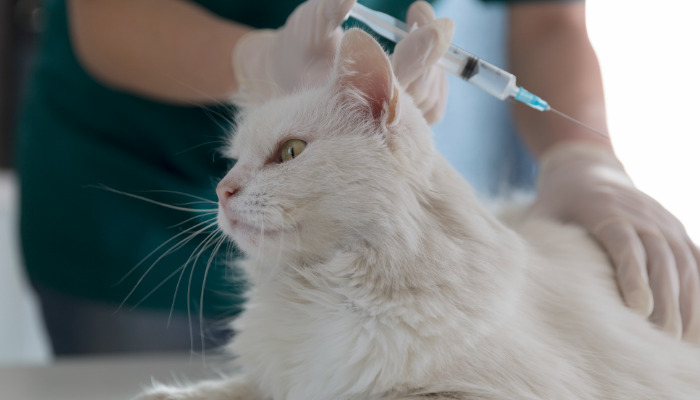
GS-441524 works by inhibiting viral RNA polymerase, thereby halting the replication of the virus. Its administration, typically via subcutaneous injection, has resulted in high cure rates, especially when treatment is initiated early.
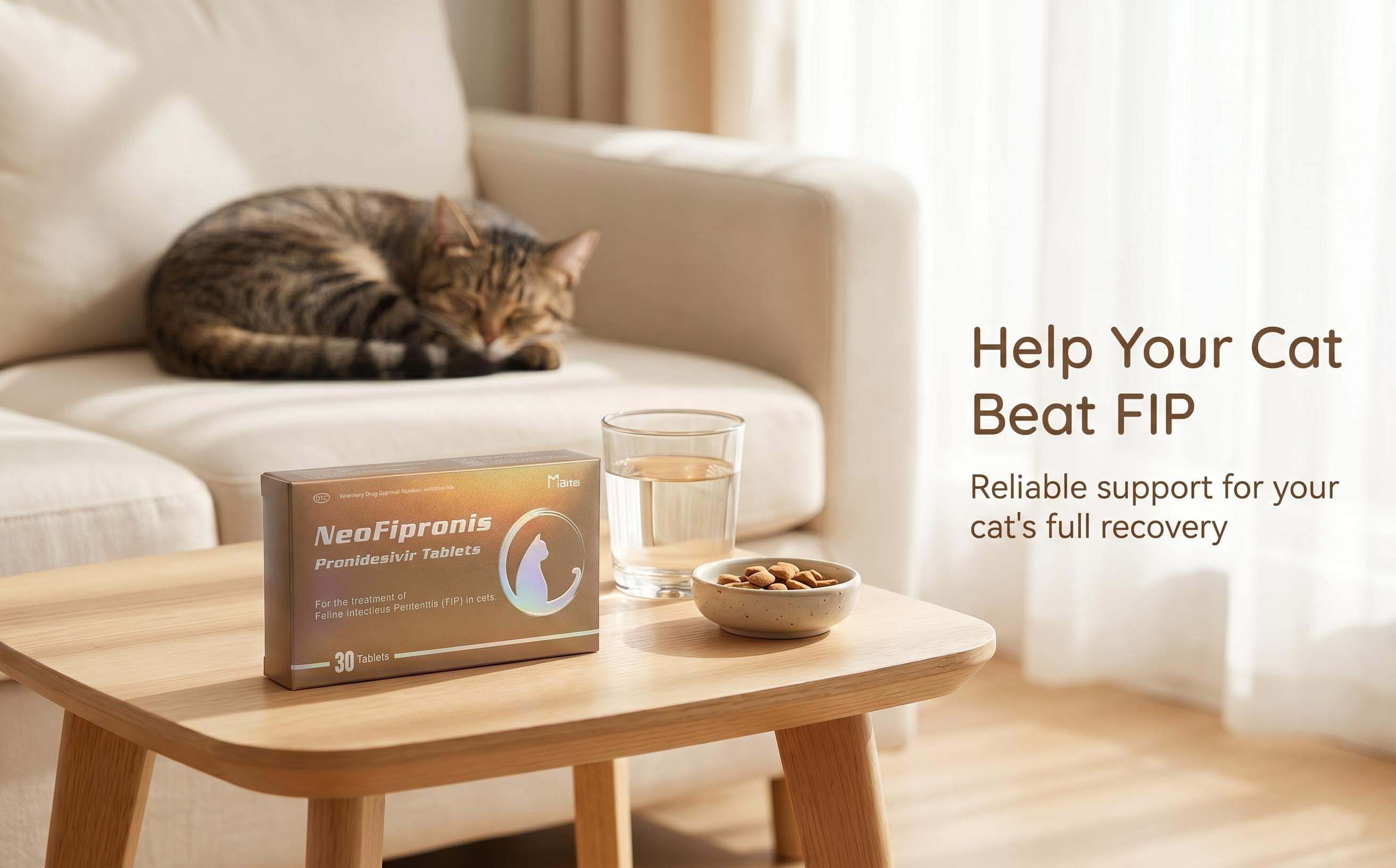
Introduction of Miaite NeoFipronis (Pronidesivir)
In March 2026, the Lao Ministry of Agriculture and Forestry officially approved NeoFipronis (Pronidesivir), marking the first oral antiviral approved for FIP treatment globally. This drug offers several advantages over injectable therapies:
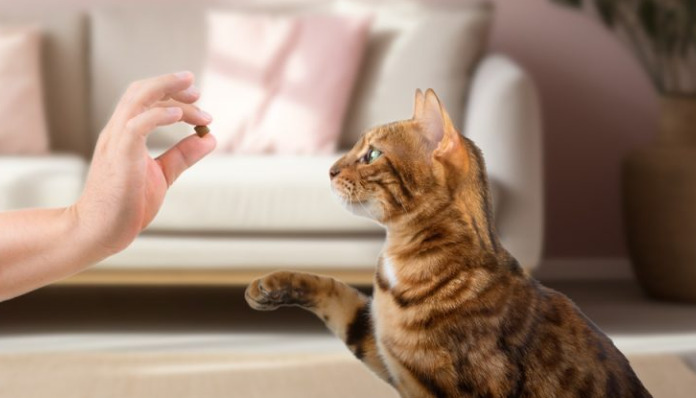
Oral administration, making it easier for pet owners to administer.
Rapid absorption and fast-acting pharmacokinetics.
Excellent safety profile with minimal side effects.
High tolerability, suitable for long-term use.
NeoFipronis (Pronidesivir) is suitable for treating symptoms associated with FIP such as appetite loss, lethargy, fever, ascites, pleural effusion, lymphadenopathy, granulomas, nerve damage, and uveitis. Its introduction has revolutionized FIP management, providing a non-invasive, effective, and accessible treatment option.
Key Features of NeoFipronis (Pronidesivir):
Officially approved with a comprehensive drug registration number.
Considered safe for cats with proper dosing.
Well-tolerated with few adverse effects.
Rapidly absorbed, ensuring quick therapeutic action.
Treatment Protocols for Wet FIP
Successful management of wet FIP involves a combination of antiviral therapy and supportive care:
1. Early Diagnosis: Using clinical signs, blood work, ultrasonography, and laboratory tests to confirm FIP.
2. Antiviral Therapy: Initiate treatment with NeoFipronis (Pronidesivir) as per veterinarian recommendations.
3. Effusion Management: Regularly aspirate accumulated fluids to relieve pressure, improve breathing, and enhance comfort.
4. Anti-inflammatory agents: While corticosteroids are used traditionally, their role is now secondary to antiviral treatment.
5. Nutritional Support: Ensuring the cat receives nutrient-dense diets to bolster immune response.
6. Monitoring and Follow-up: Regular veterinary evaluations to assess response, detect side effects, and adjust medications.
Potential Challenges and Considerations
Despite promising results, several factors influence treatment success:
Timing of intervention: Earlier treatment correlates with better outcomes.
Dosage adherence: Strict adherence to prescribed dosing schedules is crucial.
Monitoring: Regular health assessments help identify adverse effects early.
Cost and Accessibility: Antiviral medications like NeoFipronis (Pronidesivir) may be expensive or limited in availability in some regions.
Resistance: Ongoing research is needed to monitor potential antiviral resistance development.
Future Perspectives and Research
Ongoing studies aim to optimize treatment duration, combined therapies, and management of residual neurological or ocular signs. Supportive research is exploring adjunct therapies to enhance immune response and improve quality of life.
The advent of oral antivirals like NeoFipronis (Pronidesivir) signifies a new era in feline medicine. Continued research and clinical use will further refine protocols, improve prognosis, and potentially lead to complete cures for wet FIP.
References
1. Veterinary antiviral therapies and FIP management guidelines (2025).
2. Clinical efficacy of GS-441524 in feline infectious peritonitis (2024).
3. Approval and safety data on Miaite NeoFipronis (Pronidesivir) (2026).
4. FIP: Pathogenesis, diagnosis, and emerging treatments (2023).
5. Supportive care and management strategies in feline infectious peritonitis (2022).