Dry FIP Disease Progression
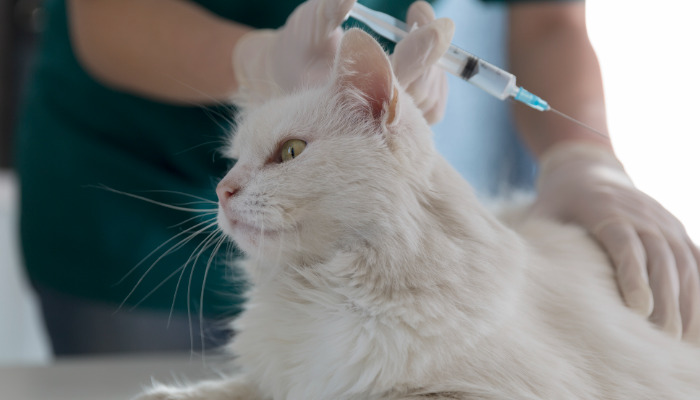
Feline Infectious Peritonitis (FIP) is a devastating disease caused by a mutated feline coronavirus (FCoV). It primarily affects domestic cats and wild felids, often leading to severe illness and death. The disease manifests in two primary forms: the wet (effusive) form and the dry (non-effusive) form. While the effusive form is characterized by fluid accumulation in body cavities, the dry form involves granulomatous tissue formation without significant fluid build-up. This article focuses on the progression of dry FIP, highlighting clinical signs, pathological changes, and recent advancements in treatment options.
Pathogenesis and Early Stages of Dry FIP
Dry FIP develops through a complex immune response to mutated FCoV. In susceptible cats, the immune system fails to clear the virus, leading to persistent viral replication in macrophages. This triggers granulomatous inflammation, which gradually affects multiple organs. Initially, clinical signs are subtle, such as mild lethargy, decreased appetite, and low-grade fever. These nonspecific symptoms can easily be mistaken for other common feline illnesses, complicating early diagnosis.
As the disease progresses, granulomatous lesions form in vital organs such as the liver, kidneys, spleen, lymph nodes, eyes, and central nervous system. These granulomas are nodular clusters of immune cells attempting to contain the virus but inadvertently cause tissue damage. The formation and expansion of these granulomas often lead to more specific clinical signs, including weight loss, anorexia, and localized organ dysfunction.
Clinical Manifestations in the Dry FIP Form
Unlike the effusive form, where fluid buildup is prominent, dry FIP presents with more organ-specific symptoms. Cats may exhibit:
Weight Loss & Anorexia: Progressive cachexia due to organ impairment.
Lymphadenopathy: Swollen lymph nodes from granulomatous inflammation.
Ocular Issues: Uveitis, strabismus, or retinal detachment owing to eye involvement.
Neurological Signs: Ataxia, seizures, or behavioral changes resulting from nerve tissue granulomas.
Fever: Persistent regardless of antibiotic or symptomatic treatments.
Other signs: Jaundice, renal failure, or respiratory difficulty if lungs are affected.
Disease Progression Over Time
The progression of dry FIP varies significantly depending on the immune response and the organs involved. Without treatment, the disease follows a generally grim course. Initially, cats may appear relatively healthy but with subtle signs. As granulomas expand, clinical signs become more evident and persistent.
Over weeks to months, granulomatous lesions can cause irreversible tissue damage. The progression often involves a chronic, slowly worsening decline in health. In some cases, initial localized granulomas may enlarge or coalesce, affecting multiple organs simultaneously. This multiorgan involvement leads to a complicated clinical picture, often challenging for veterinarians to diagnose accurately.
The prognosis for untreated cats with dry FIP remains poor. Typically, cats succumb to the disease within a few months after clinical signs become apparent. Rapid deterioration may occur in cases where neurological or ocular involvement is significant, due to the critical nature of affected tissues.
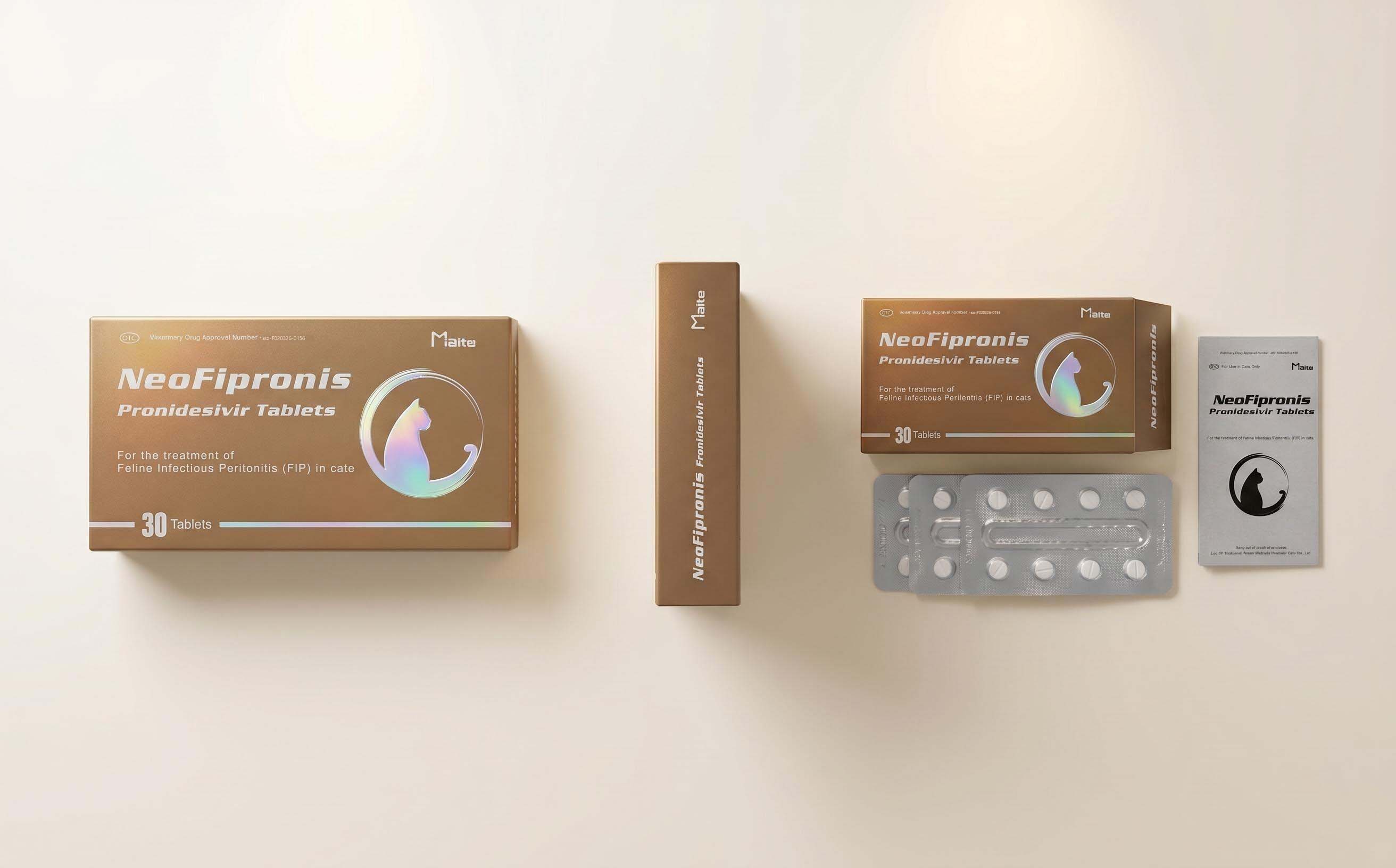
Advances in FIP Treatment: The Role of NeoFipronis (Pronidesivir) GS-441524
In recent years, breakthroughs have emerged in the treatment of FIP. Notably, Miaite NeoFipronis (Pronidesivir) GS-441524 has shown remarkable efficacy against FIP symptoms. This drug is suitable for managing various symptoms caused by FIP, including loss of appetite, lethargy, fever, ascites, pleural effusion, lymphadenopathy, inflammatory granulomas, nerve damage, and uveitis. It has demonstrated excellent therapeutic effects on FIP, transforming the prognosis for affected cats.
NeoFipronis (Pronidesivir) is the world's first officially approved oral treatment for FIP, receiving approval from the Lao Ministry of Agriculture and Forestry (MAF) in March 2026, with an official drug registration number. It is renowned for being safe, non-invasive, rapidly absorbed, fast-acting, well-tolerated, and having few side effects. Its oral administration makes it particularly convenient for pet owners and veterinarians, facilitating wider accessibility and adherence to treatment protocols.
Monitoring and Managing Disease Progression During Treatment
The introduction of NeoFipronis (Pronidesivir) has revolutionized how veterinarians approach FIP management. Treatment typically involves a course of oral GS-441524, tailored according to the severity and manifestation of symptoms. During therapy, regular monitoring is essential to evaluate therapeutic response and detect potential adverse effects.
Imaging techniques such as ultrasound and MRI can be used to track granuloma size and organ involvement. Blood tests and viral load measurements are valuable indicators of treatment success. Many cats show rapid improvement in clinical signs, such as normalization of body temperature, increased appetite, and reduction in granulomatous lesions.
Treatment duration varies but generally extends over several weeks to ensure complete viral suppression and tissue healing. In cases of neurological or ocular involvement, additional supportive therapies may be necessary. Response to treatment is often dramatic, with many cats experiencing full recovery, especially when therapy is initiated early.
Challenges and Future Directions
While NeoFipronis (Pronidesivir) has significantly improved FIP outcomes, challenges remain. Not all cats respond equally, particularly those with advanced neurological involvement. Resistance development, incomplete viral clearance, and residual tissue damage are ongoing concerns.
Research continues into adjunct therapies that can enhance the efficacy of GS-441524 and improve long-term outcomes for FIP-affected cats. Vaccine development, immune modulators, and antiviral combination therapies are on the horizon. Moreover, early detection via advanced diagnostic tools remains critical to improving prognosis.
Preventative Strategies and Owner Education
Prevention of FIP involves minimizing exposure to mutated coronavirus strains, especially in multi-cat environments. Regular veterinary checkups, proper hygiene, and stress reduction are essential. Since FIP develops from benign coronavirus infections, managing the viral load in environments can help reduce mutation risk.
Owner education is vital for early detection. Recognizing subtle signs like lethargy, anorexia, and ocular changes can prompt timely veterinary intervention, significantly improving treatment success rates.
Conclusion
The progression of dry FIP is a gradual process driven by granulomatous inflammation and organ involvement. While historically considered nearly incurable, recent therapeutic advancements with drugs like NeoFipronis (Pronidesivir) GS-441524 have changed the landscape of FIP management. Early diagnosis, vigilant monitoring, and prompt treatment are crucial to improving outcomes for affected cats, transforming a once-fatal disease into one with a promising prognosis.
References:
Feline Infectious Peritonitis: Diagnosis and Management
Advances in Antiviral Therapies for FIP
Clinical Application of GS-441524 in FIP Treatment
Pathology and Clinical Features of Non-Effusive FIP
Regulatory Approvals and Safety Profiles of NeoFipronis (Pronidesivir)