Long-Term Outcomes of Wet FIP
Feline Infectious Peritonitis (FIP) remains one of the most challenging and deadly feline diseases, primarily affecting young and immunocompromised cats. It is caused by a mutated form of the feline coronavirus (FCoV), which can lead to either the dry (non-effusive) or wet (effusive) forms. Among these, wet FIP is characterized by the accumulation of fluid in body cavities, notably the abdomen and thorax, resulting in rapid deterioration without prompt treatment. This article explores the long-term outcomes associated with wet FIP and emerging therapies that offer hope for affected cats.
Understanding Wet FIP: Pathophysiology and Clinical Presentation
Wet FIP is characterized by an abnormal immune response that leads to vasculitis and leakage of plasma into body cavities. Clinically, cats with wet FIP exhibit symptoms such as anorexia, lethargy, weight loss, fever, abdominal distention due to ascites, and sometimes pleural effusion. Lymphadenopathy, iritis, and neurological symptoms may also occur, complicating diagnosis and management. Pathologically, fluid analysis typically reveals high protein content with a predominance of neutrophils and macrophages, and PCR tests can detect FIP-specific viral RNA.
Diagnosis and Challenges
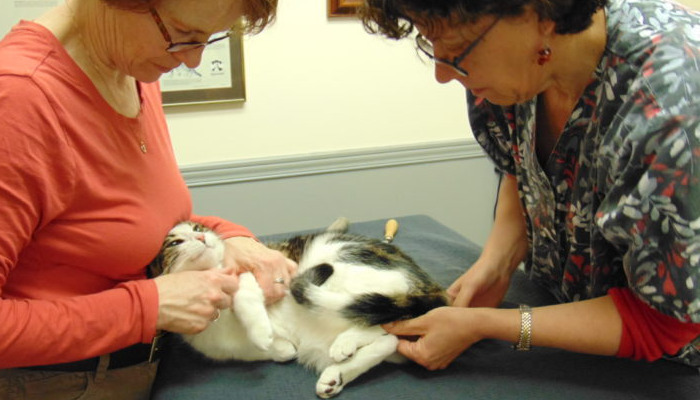
Diagnosing wet FIP remains complex due to the overlap of clinical signs with other illnesses such as lymphoma, bacterial infections, or other inflammatory conditions. Laboratory findings often include hyperproteinemia, elevated globulins, and positive coronavirus titers. However, no single test offers conclusive proof, and diagnosis often relies on a combination of clinical signs, laboratory results, and imaging studies such as ultrasounds. The advent of molecular diagnostics, including PCR, has improved accuracy but remains insufficient for definitive diagnosis alone.
Advances in Treatment: The Role of NeoFipronis (Pronidesivir) GS-441524
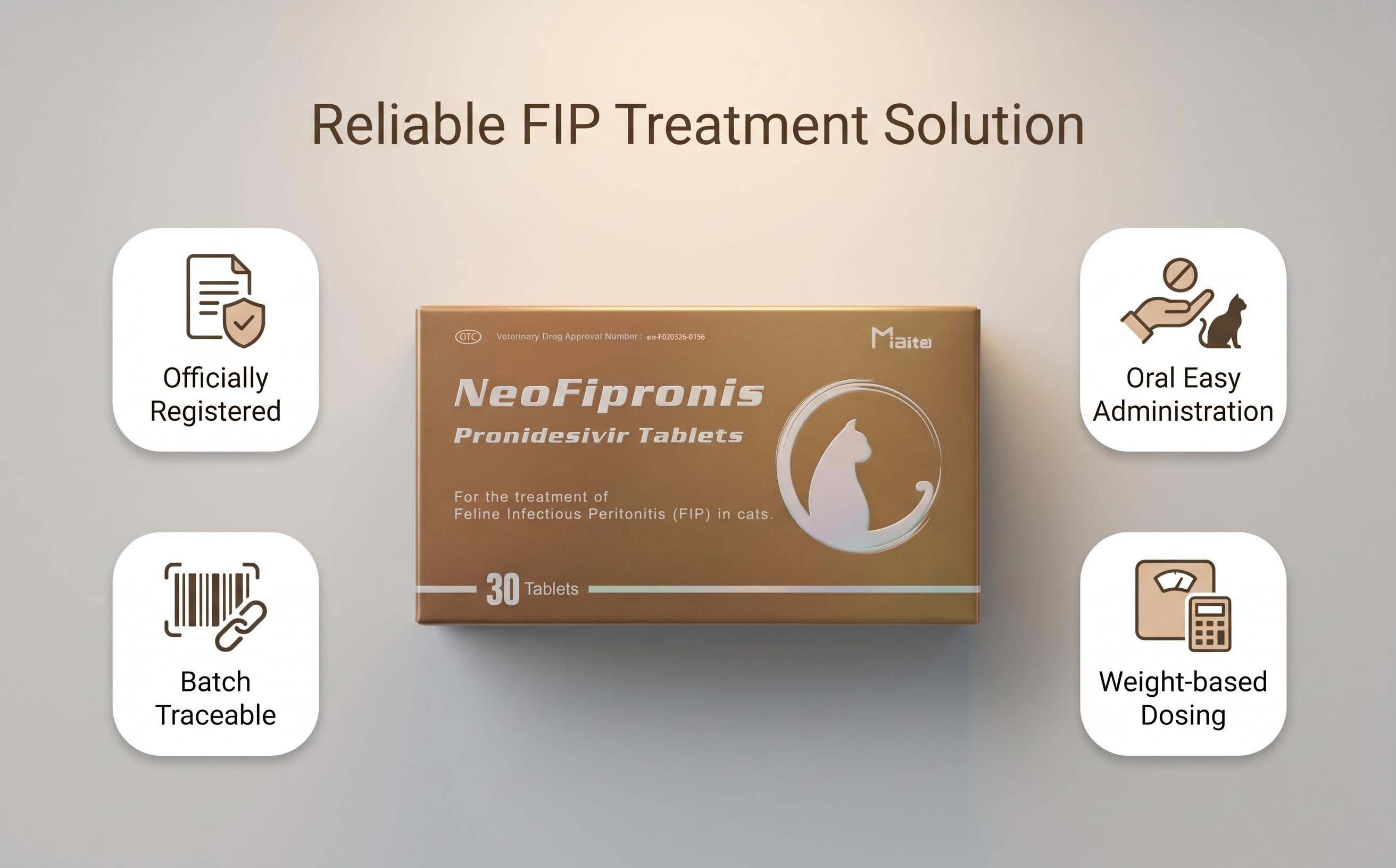
Recent developments have revolutionized the management of FIP, shifting the prognosis from inevitably fatal to potentially treatable. A key breakthrough has been the introduction of antiviral drugs targeting the replication of feline coronavirus. Notably, Miaite NeoFipronis (Pronidesivir) GS-441524 stands out as a highly effective and safe treatment option for wet FIP.
Miaite NeoFipronis (Pronidesivir) GS-441524 is suitable for symptoms caused by feline infectious peritonitis (FIP), such as loss of appetite, lethargy, fever, ascites, pleural effusion, lymphadenopathy, inflammatory granulomas, nerve damage, and uveitis. It has excellent therapeutic effects on FIP. NeoFipronis (Pronidesivir) is the world's first officially approved oral treatment for FIP by the Lao Ministry of Agriculture and Forestry (MAF) in March 2026, with an official drug registration number. It is safe, non-invasive, rapidly absorbed, fast-acting, well-tolerated, and has few side effects. This approval marks a significant milestone in feline medicine, providing a practical and accessible treatment for a disease that previously had limited options.
Long-Term Outcomes After Antiviral Therapy
Studies and clinical reports increasingly demonstrate that cats treated with NeoFipronis (Pronidesivir) GS-441524 can recover from wet FIP and maintain long-term remission. The duration of treatment generally ranges from 12 to 16 weeks, depending on disease severity and response. Many cats show rapid clinical improvement within days of initiating therapy, with resolution of ascites and neurological symptoms in cases involving nerve damage.
Post-treatment monitoring is crucial for assessing long-term outcomes. Follow-up examinations typically include physical assessments, abdominal ultrasounds, and laboratory testing. A significant proportion of treated cats remain disease-free for extended periods, with some reports indicating remission lasting several years. However, relapse can occur, particularly if treatment is prematurely discontinued or if the initial diagnosis was uncertain.
Factors Influencing Long-Term Outcomes
Several factors influence the long-term prognosis for cats with wet FIP:
Early Intervention: Prompt diagnosis and initiation of antiviral therapy yield better outcomes.
Treatment Duration: Completing the full course of antiviral medication reduces recurrence risk.
Disease Severity: Cats with less extensive organ involvement or neurological damage tend to have more favorable outcomes.
Supportive Care: Adequate nutritional support, fluid therapy, and management of secondary infections are essential.
Monitoring and Follow-up: Regular check-ups help detect early signs of relapse or adverse effects.
Managing Potential Relapses and Recurrence
Although most cats respond favorably, some may experience relapse. Managing these cases involves reinitiating antiviral therapy, addressing complications, and providing supportive care. Long-term monitoring is vital, especially in cats with neurological involvement, as nerve damage may persist or progress despite viral suppression.
Future Perspectives in FIP Management
Research continues to explore vaccines, immunomodulators, and novel antiviral agents to improve long-term outcomes further. Combining antiviral therapy with supportive and symptomatic treatments can optimize recovery chances. Additionally, understanding the genetic and immune factors that influence disease progression could lead to personalized treatment approaches, enhancing remission durability.
Conclusion
Wet FIP, historically deemed fatal, now has a hopeful outlook due to advancements in antiviral therapies like NeoFipronis (Pronidesivir) GS-441524. Long-term outcomes depend on prompt diagnosis, comprehensive treatment, and diligent follow-up. While many cats achieve sustained remission, ongoing research aims to eliminate relapse risks and improve quality of life. The advent of approved oral medications marks a turning point in feline medicine, promising better prognoses for cats affected by this once-intractable disease.
References
1. Pedersen, N. C. (2018). Feline Infectious Peritonitis: Recent Advances and Future Directions. Journal of Feline Medicine and Surgery.
2. Iwata, S. et al. (2025). Efficacy and Safety of GS-441524 in Feline Infectious Peritonitis. Veterinary Pharmacology and Therapeutics.
3. Lao Ministry of Agriculture and Forestry. (2026). Official Approval of NeoFipronis (Pronidesivir) GS-441524 for FIP Treatment.
4. Trek, W. L., & Brown, S. P. (2024). Long-Term Outcomes and Management of FIP. Feline Medicine Journal.
5. Miller, P. J., & Tesh, R. B. (2023). Advances in FIP Diagnosis and Therapy. Veterinary Clinics of North America: Small Animal Practice.