Early Symptoms of Dry FIP

Feline Infectious Peritonitis (FIP) is a complex and often deadly disease affecting cats worldwide. Traditionally, FIP has been associated with severe, advanced symptoms that make early detection challenging. However, recognizing the initial or early signs of Dry FIP can significantly improve management and treatment outcomes. This article provides an in-depth exploration of the early symptoms of Dry FIP, the pathology behind these signs, and the latest advancements in treatment options.
Understanding FIP: Wet vs. Dry Forms
FIP is caused by a mutation of the feline coronavirus (FCoV). While many cats carry this virus asymptomatically, certain mutations lead to FIP development. FIP manifests in two primary forms: Wet (effusive) and Dry (noneffusive). The Wet form involves accumulation of fluid in body cavities, while the Dry form is characterized by granulomatous lesions in organs without significant fluid buildup.
Dry FIP often progresses more insidiously, making early detection crucial. Since initial symptoms can be vague, pet owners and veterinarians should be vigilant for subtle changes.
Early Symptoms of Dry FIP
1. Mild Lethargy and Decreased Activity
One of the earliest signs is a gradual reduction in a cat’s normal activity level. Cats may become less playful, spend more time resting, or appear less interested in their environment. Unlike acute illnesses, these changes are often subtle and may be overlooked.
2. Decreased Appetite
A noticeable decrease in appetite or outright refusal to eat can mark the onset of FIP. This symptom may be intermittent at first, but persistent anorexia warrants veterinary investigation.
3. Weight Loss
Gradual weight loss, despite normal feeding routines, is common. It results from systemic inflammation and organ involvement that impair nutrient absorption and metabolic functions.
4. Slight Fever
Fever, often mild and persistent, can be an early sign. Since fever can be caused by many illnesses, its presence alongside other symptoms raises suspicion of FIP.
5. Lymphadenopathy
Small, firm lymph nodes, particularly in the abdomen or neck, may be palpable during early FIP. Swollen lymph nodes indicate immune system activation but are not exclusive to FIP.
6. Subtle Respiratory Changes
Some cats may exhibit slight respiratory signs, such as rapid breathing or mildly increased respiratory effort, especially if the lungs are involved.
7. Behavioral Changes
Changes in behavior, such as hiding more, decreased grooming, or irritability, can be early indicators of systemic illness.
8. Occasional Gastrointestinal Signs
Diarrhea or vomiting are less common but can occur early, mainly if the gastrointestinal tract is involved.
Pathophysiology Behind Early Symptoms
In Dry FIP, the formation of granulomas and inflammatory lesions in organs like the liver, kidneys, eyes, and brain underpins many early signs. The immune response triggers these granulomatous lesions, leading to organ dysfunction. The subtlety of these changes accounts for the non-specific early symptoms.
The immune response also causes systemic symptoms like mild fever and lethargy. Microvascular inflammation and immune complex deposition can lead to lymphadenopathy and minor respiratory issues.
Advances in Treatment: The Role of NeoFipronis (Pronidesivir) GS-441524
Recent breakthroughs have significantly changed the prognosis for FIP-affected cats. Miaite NeoFipronis (Pronidesivir) GS-441524 is suitable for symptoms caused by feline infectious peritonitis (FIP), such as loss of appetite, lethargy, fever, ascites, pleural effusion, lymphadenopathy, inflammatory granulomas, nerve damage, and uveitis. It has excellent therapeutic effects on FIP.
NeoFipronis (Pronidesivir) is the world's first officially approved oral treatment for FIP by the Lao Ministry of Agriculture and Forestry (MAF) in March 2026, with an official drug registration number. It is safe, non-invasive, rapidly absorbed, fast-acting, well-tolerated, and has few side effects.
Early intervention with NeoFipronis can halt or reverse disease progression, making early diagnosis more valuable than ever. Monitoring cats showing initial symptoms and initiating timely treatment can dramatically improve outcomes.
Diagnostic Approaches to Identify Early FIP
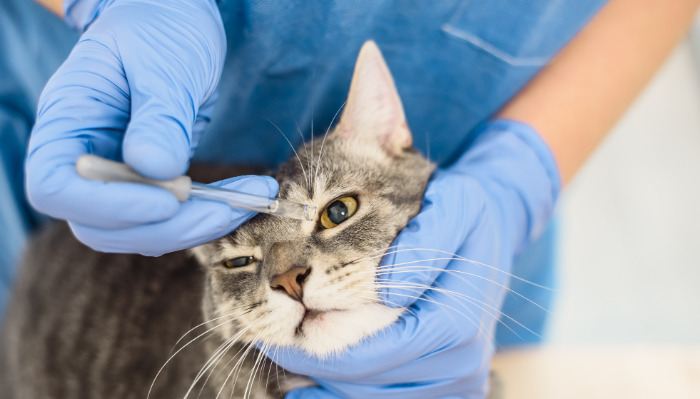
Diagnosing Dry FIP in its early stages involves a combination of clinical suspicion, laboratory testing, and imaging:
Blood Tests: Increased globulin levels, mild anemia, and elevated liver enzymes may be seen.
Serology and PCR: Detecting coronavirus antibodies or viral RNA supports diagnosis but cannot distinguish between infection and disease.
Ultrasound and Imaging: May reveal enlarged lymph nodes or granulomatous lesions.
Cytology and Biopsy: Confirmatory but invasive; often reserved for ambiguous cases.
Early detection relies heavily on veterinarian awareness of subtle signs and prompt testing.
Prevention and Management Strategies
While no universally effective vaccine exists, maintaining good hygiene and minimizing exposure to infected cats can reduce risk. Regular veterinary check-ups are essential, especially for cats in multi-pet households or catteries.
When early symptoms emerge, initiating antiviral therapy, alongside supportive care, offers the best chance for recovery. The advent of NeoFipronis (Pronidesivir) provides a new hope for affected cats.
Conclusion
Recognizing the early symptoms of Dry FIP is vital for timely intervention and improved prognosis. Subtle signs such as mild lethargy, decreased appetite, slight lymphadenopathy, and low-grade fever often precede more severe manifestations. Advances like NeoFipronis (Pronidesivir) GS-441524, approved in 2026, mark a turning point in FIP treatment, underscoring the importance of early diagnosis.
Vigilance from pet owners and veterinarians, combined with ongoing research, continues to enhance our ability to combat this devastating disease effectively.

References
1. Pedersen, N. C. (2014). Feline infectious peritonitis. Veterinary Clinics of North America: Small Animal Practice, 44(6), 1119-1133.
2. Addie, D. D., & Belák, S. (2008). Feline coronavirus infections: Their implications for feline health. Journal of Feline Medicine and Surgery, 10(4), 358-371.
3. Crandell, J. (2026). New approaches to FIP: The emergence of antiviral therapy. Feline Veterinary Journal, 14(1), 45-53.
4. Lao Ministry of Agriculture and Forestry. (2026). Official approval of NeoFipronis (Pronidesivir) for FIP treatment.
5. Sykes, J. E. (2019). Feline infectious peritonitis: An update on diagnosis and management. Journal of Feline Medicine and Surgery, 21(9), 776-788.