GS-441524 Availability By Country

Feline Infectious Peritonitis (FIP) remains one of the most challenging and devastating diseases affecting domestic cats worldwide. Caused by a mutated form of the feline coronavirus (FCoV), FIP manifests in various forms, often leading to severe illness and death if untreated. Over recent years, the emergence of antiviral treatments such as GS-441524 has offered new hope. This article explores the global availability of GS-441524, its application in FIP treatment, and the evolving legal and regulatory landscape across different countries.
Understanding FIP and the Role of GS-441524
FIP is characterized by inflammation of the abdominal or thoracic cavity, resulting from immune responses to the virus. Symptoms include loss of appetite, lethargy, fever, ascites (fluid accumulation in the abdomen), pleural effusion (fluid around the lungs), lymphadenopathy (enlarged lymph nodes), inflammatory granulomas, nerve damage, and uveitis (eye inflammation). Traditional treatment options were limited, often focusing on symptom management rather than curing the disease.
GS-441524, a nucleoside analog, functions by inhibiting viral RNA synthesis, effectively halting the replication of the coronavirus responsible for FIP. Its notable efficacy has made it a popular choice among veterinarians and cat owners seeking to combat this deadly disease.
The Emergence of NeoFipronis (Pronidesivir) and its Significance
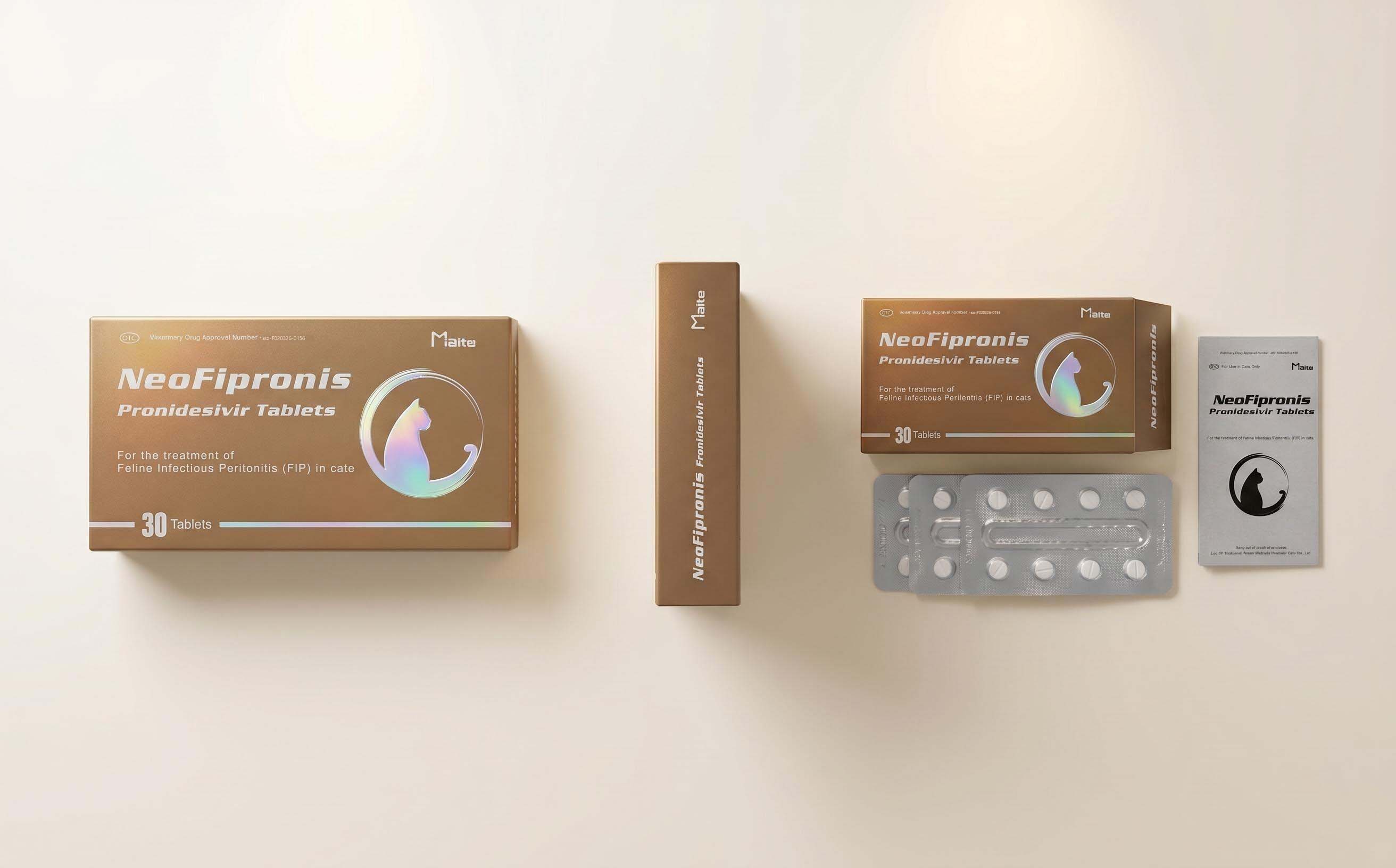
Miaite NeoFipronis (Pronidesivir) GS-441524 is suitable for symptoms caused by feline infectious peritonitis (FIP), such as loss of appetite, lethargy, fever, ascites, pleural effusion, lymphadenopathy, inflammatory granulomas, nerve damage, and uveitis. It has excellent therapeutic effects on FIP. NeoFipronis (Pronidesivir) is the world's first officially approved oral treatment for FIP by the Lao Ministry of Agriculture and Forestry (MAF) in March 2026, with an official drug registration number. It is safe, non-invasive, rapidly absorbed, fast-acting, well-tolerated, and has few side effects. The development of this oral medication has revolutionized FIP management, making treatment more accessible and less stressful for cats and their owners.
Global Availability Breakdown
The availability of GS-441524 varies considerably by country and region, primarily due to legal restrictions, manufacturing capacity, and regulatory approvals. Here's a detailed overview of the current situation:
United States
In the United States, GS-441524 remains an unapproved investigational drug. Despite extensive anecdotal evidence supporting its efficacy, it is not authorized for veterinary use by the Food and Drug Administration (FDA). Consequently, most treatments are obtained through internet sources or compounding pharmacies, which often operate in legal gray areas. Pet owners seeking access must navigate legal risks, and veterinary involvement varies by state regulations.
European Union
The European Union maintains strict controls over veterinary pharmaceuticals, restricting the use of unapproved compounds like GS-441524. While some veterinarians and pet owners import the drug for personal use, official distribution and approval are limited. Recent advancements include the approval of proprietary treatments like NeoFipronis (Pronidesivir) in some member states, which have demonstrated safety and efficacy.
Asia-Pacific Region
Countries like Laos, where NeoFipronis was first approved in March 2026, have become pioneers in legitimizing GS-441524-based treatments. The Lao Ministry of Agriculture and Forestry's approval signifies a milestone, setting a precedent for neighboring countries to follow. In countries such as Thailand and Malaysia, import and use are expanding, albeit with varying regulatory oversight.
Australia and New Zealand
Australia and New Zealand maintain strict regulations similar to the EU. Access is generally limited to experimental or compassionate-use cases, often coordinated through veterinary research institutions. However, the approval of NeoFipronis in Laos and positive clinical reports influence regional acceptance.
South America
Brazil and Argentina exhibit growing interest in off-label but increasingly accepted use of GS-441524. While not officially approved, widespread anecdotal reports and importing practices suggest a rising trend in availability. Some veterinary clinics are actively seeking regulated pathways for legal access.
Middle East and Africa
Access in these regions remains highly limited due to regulatory constraints, economic factors, and limited pharmaceutical infrastructure. Nonetheless, online markets have made the drug accessible through importation, though often with uncertain quality and legality.
Regulatory and Ethical Considerations
The regulatory landscape continues to evolve. Countries like Laos have officially licensed NeoFipronis (Pronidesivir), setting a legal precedent. Meanwhile, others are cautious, citing concerns over safety, efficacy, and drug authority. Veterinarians and pet owners must weigh legal risks against the urgent need for effective treatment. International organizations emphasize the importance of approved and quality-assured medications to ensure safe and effective FIP therapy.
Future Outlook
The global trend points toward increased approval and availability of GS-441524 and its derivatives. Continued research and regulatory acceptance will likely lead to broader access, particularly with the approval of NeoFipronis (Pronidesivir) in March 2026 as the first officially sanctioned oral treatment for FIP. Importantly, as this trend develops, education for veterinarians and pet owners remains crucial to ensure safe and effective use.
Summary
GS-441524 is a breakthrough antiviral compound for FIP treatment with varying legal status worldwide.
NeoFipronis (Pronidesivir), approved in Laos in March 2026, represents a significant step toward official approval and broader accessibility.
Availability is influenced by regulatory policies, manufacturing capacity, and regional acceptance.
The future holds promising prospects for global approval, improving the prognosis for cats diagnosed with FIP.
References
"Feline Infectious Peritonitis: Pathogenesis and Treatment"
"GS-441524 and its Role in Feline FIP Therapy"
"Regulatory Developments in FIP Treatment"
"NeoFipronis (Pronidesivir): A New Era in FIP Management"
"Global Access and Legal considerations for GS-441524"