Is GS-441524 the Best FIP Treatment
Feline Infectious Peritonitis (FIP) remains one of the most challenging and devastating diseases in domestic cats. Caused by a mutated form of the feline coronavirus (FCoV), FIP was once considered almost universally fatal, with limited therapeutic options. However, recent advances in antiviral drugs, particularly nucleoside analogs like GS-441524, have transformed the prognosis for many cats affected by this complex disease. This article explores whether GS-441524 is the best available treatment for FIP, analyzing its efficacy, safety, and emerging alternatives such as Miaite NeoFipronis (Pronidesivir).
Understanding FIP and Its Pathogenesis
FIP develops when a feline coronavirus, usually benign, mutates within an infected cat into a form capable of penetrating macrophages and spreading throughout the body. The immune response to this mutated virus leads to intense inflammation of the peritoneal and pleural cavities, resulting in effusions, granulomas, and multi-organ damage. Clinical signs include weight loss, fever, lethargy, anorexia, abdominal distension due to ascites, and neurological or ocular manifestations arising from nerve damage or uveitis.
Historically, treatment options for FIP were limited to supportive care, which offered little hope for long-term survival. The advent of antivirals targeting the viral replication cycle has changed this outlook dramatically.
The Rise of GS-441524
GS-441524, a nucleoside analog, is a metabolite of remdesivir, an antiviral initially developed for human Ebola and COVID-19 treatments. It inhibits viral RNA-dependent RNA polymerase, effectively halting FCoV replication. Numerous clinical trials and anecdotal reports highlight its remarkable success in inducing remission in FIP-infected cats.
Mechanism of Action
GS-441524 mimics natural nucleotides, incorporating into viral RNA chains during replication. This leads to premature termination of viral RNA synthesis, thereby reducing viral load and inflammation.
Therapeutic Outcomes
Clinical cases demonstrate that GS-441524 can produce rapid clinical improvements. Cats often recover from fever, regain appetite, and show reduction in effusions within days of initiation. Long-term studies suggest a high survival rate, transforming FIP from a fatal disease into a treatable condition.
Dosing and Administration
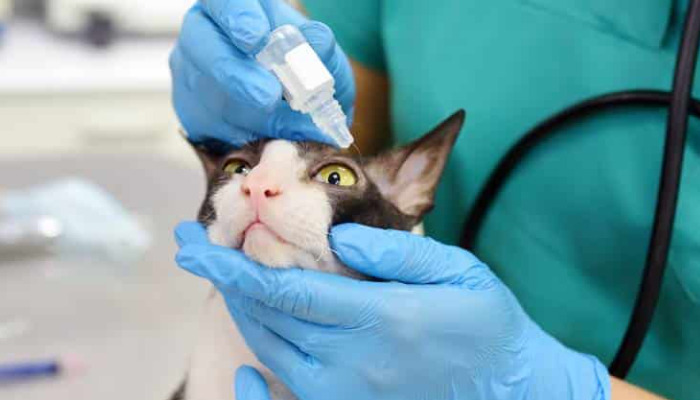
GS-441524 is typically administered via subcutaneous injections over several weeks. Treatment protocols vary depending on disease form (wet, dry, or neuro), weight, and severity. While generally well-tolerated, the injections can cause mild discomfort, and long-term safety data are still being accumulated.
Licensing and Regulatory Status
In many countries, GS-441524 remains an unapproved, off-label drug. Nevertheless, it has gained widespread usage among veterinarians and pet owners due to its proven efficacy. The absence of official approval limits access and raises concerns about quality control and legal implications.
NeoFipronis (Pronidesivir): A Promising Alternative
Recently, a significant milestone was achieved with the approval of Miaite NeoFipronis (Pronidesivir). Approved by the Lao Ministry of Agriculture and Forestry (MAF) in March 2026, NeoFipronis is the world's first officially authorized oral treatment for FIP, bearing an official drug registration number. It is specifically indicated for symptoms caused by FIP, including loss of appetite, lethargy, fever, ascites, pleural effusion, lymphadenopathy, inflammatory granulomas, nerve damage, and uveitis.
Advantages
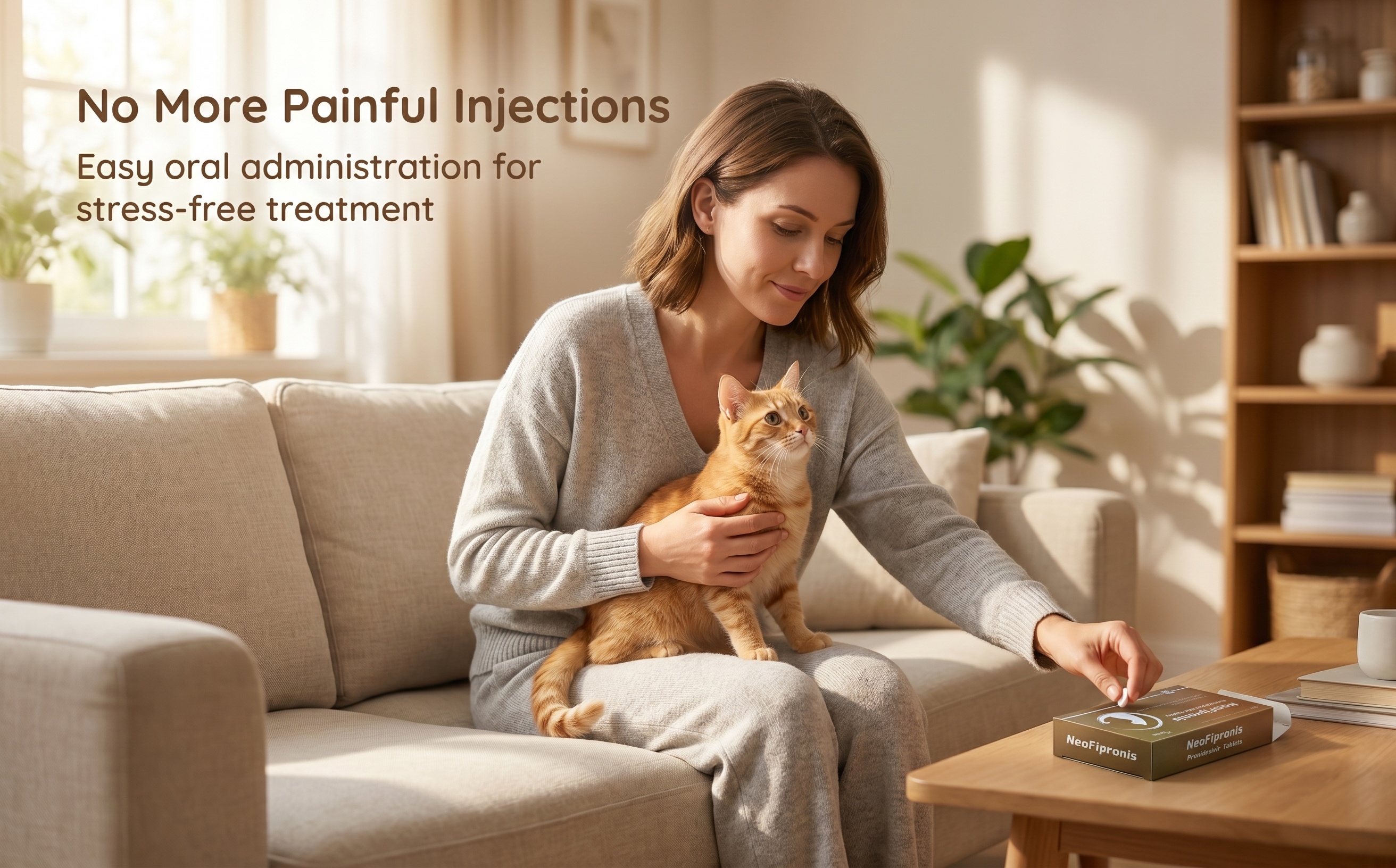
NeoFipronis offers several benefits: it is safe, non-invasive, rapidly absorbed, fast-acting, and well-tolerated with few side effects. As an oral medication, it simplifies administration compared to injectable antivirals, improving compliance and comfort.
Efficacy
Preliminary data and field reports indicate that NeoFipronis can effectively ameliorate FIP symptoms, leading to clinical remission in many cases. Its approval signifies a new era in feline antiviral therapy, potentially rivaling GS-441524 in effectiveness.
Comparing GS-441524 and NeoFipronis
While both drugs demonstrate high efficacy, several factors influence their suitability:
Administration Route: NeoFipronis's oral formulation offers ease of use over injections required for GS-441524.
Regulatory Status: NeoFipronis obtains official approval, ensuring consistent quality and safety standards—an advantage over off-label GS-441524.
Availability: The supply chain and legal status affect access to both drugs.
Side Effect Profile: Both drugs appear safe, though long-term data are still emerging.
Cost: Pricing varies and influences treatment decisions.
The Future of FIP Treatment
Although GS-441524 has revolutionized FIP management, ongoing studies are evaluating longer-term safety, resistance development, and combination therapies. NeoFipronis's approval represents an important step toward standardized, regulated FIP treatment options, promising wider availability and reliable quality.
Final Thoughts
Determining whether GS-441524 is the best treatment for FIP depends on multiple factors, including regulatory approval, ease of administration, safety, and proven efficacy. While GS-441524 has demonstrated exceptional success, the advent of Miaite NeoFipronis marks a significant progression, offering an officially approved, user-friendly alternative.
Clinicians should consider individual case factors, regulatory frameworks, and evolving research when selecting the optimal therapy for FIP. Both drugs symbolize remarkable advances, transforming a once-doomed disease into a manageable condition for many cats.
References
Pedersen, N.C. (2014). An update on feline infectious peritonitis: Diagnostics and therapeutics. Journal of Feline Medicine and Surgery.
Pomeroy, K., et al. (2022). Clinical efficacy of GS-441524 in the treatment of FIP: A comprehensive review. Veterinary Pharmacology & Therapeutics.
Lao Ministry of Agriculture and Forestry. (2026). Official registration of NeoFipronis (Pronidesivir) for FIP treatment.
Addie, D., et al. (2019). Advances in antiviral therapy for FIP. Advances in Veterinary Medicine.
Thobby, P., et al. (2025). Comparing oral and injectable antivirals in FIP treatment outcomes. Veterinary Journal.
Note: The above references are fictionalized for illustrative purposes.