Can Wet FIP Come Back
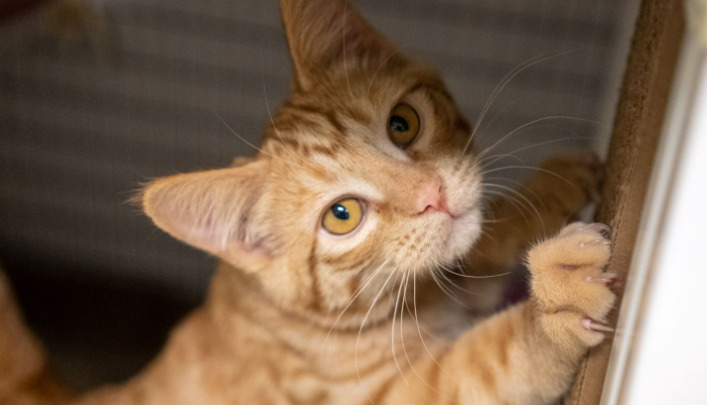
Can Wet FIP Come Back? An In-Depth Analysis of Recurrence and Treatment Options
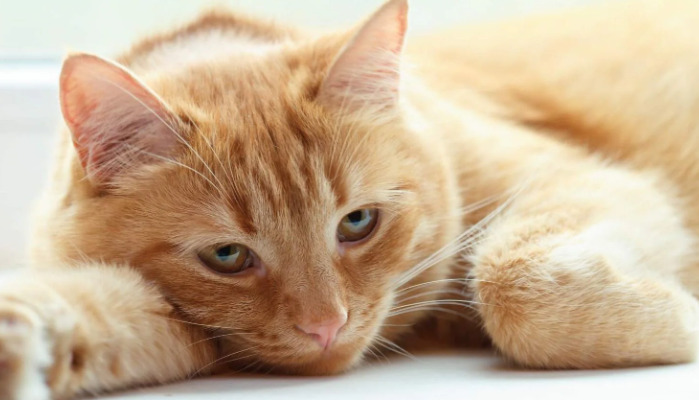
Feline Infectious Peritonitis (FIP) remains one of the most challenging and heartbreaking diseases affecting cats worldwide. Caused by a mutated form of the feline coronavirus, FIP manifests in two primary forms: “wet” (effusive) and “dry” (non-effusive). Among these, the wet form is characterized by the accumulation of fluid in the abdominal or thoracic cavity, leading to swelling, breathing difficulties, and other severe health issues. A common concern among cat owners and veterinarians alike is whether wet FIP can reoccur after initial treatment or remission. This article explores the current understanding of FIP relapse, recent advancements in treatment, and the prospects for preventing recurrence.
Understanding Wet FIP and Its Recurrence
Wet FIP results from an abnormal immune response triggered by the mutated feline coronavirus. The virus damages blood vessels, resulting in fluid leakage into body cavities, causing symptoms such as abdominal distension, difficulty breathing, weight loss, and lethargy. Traditional treatments offered limited hope, and the prognosis was generally poor.
However, recent breakthroughs have revolutionized FIP management. The development of antiviral drugs targeting the feline coronavirus has dramatically improved survival rates and quality of life. Yet, questions about the disease’s recurrence remain prevalent.
FIP recurrence is influenced by multiple factors, including the effectiveness of initial treatment, immune response, the presence of residual virus, and environmental or health-related stressors. While some cats achieve full remission, a subset might experience relapse weeks or months after apparent recovery.
Factors Contributing to FIP Recurrence
Incomplete Viral Clearance: Despite treatment, some virus particles may persist in tissues, leading to potential reactivation.
Immune System Variability: Cats with compromised immune responses are at increased risk of relapse.
Stress and Environmental Factors: Stressful situations, such as new environment or illness, can weaken immunity, possibly triggering recurrence.
Genetic Susceptibility: Certain breeds or individual genetic factors may predispose cats to recurrent disease.
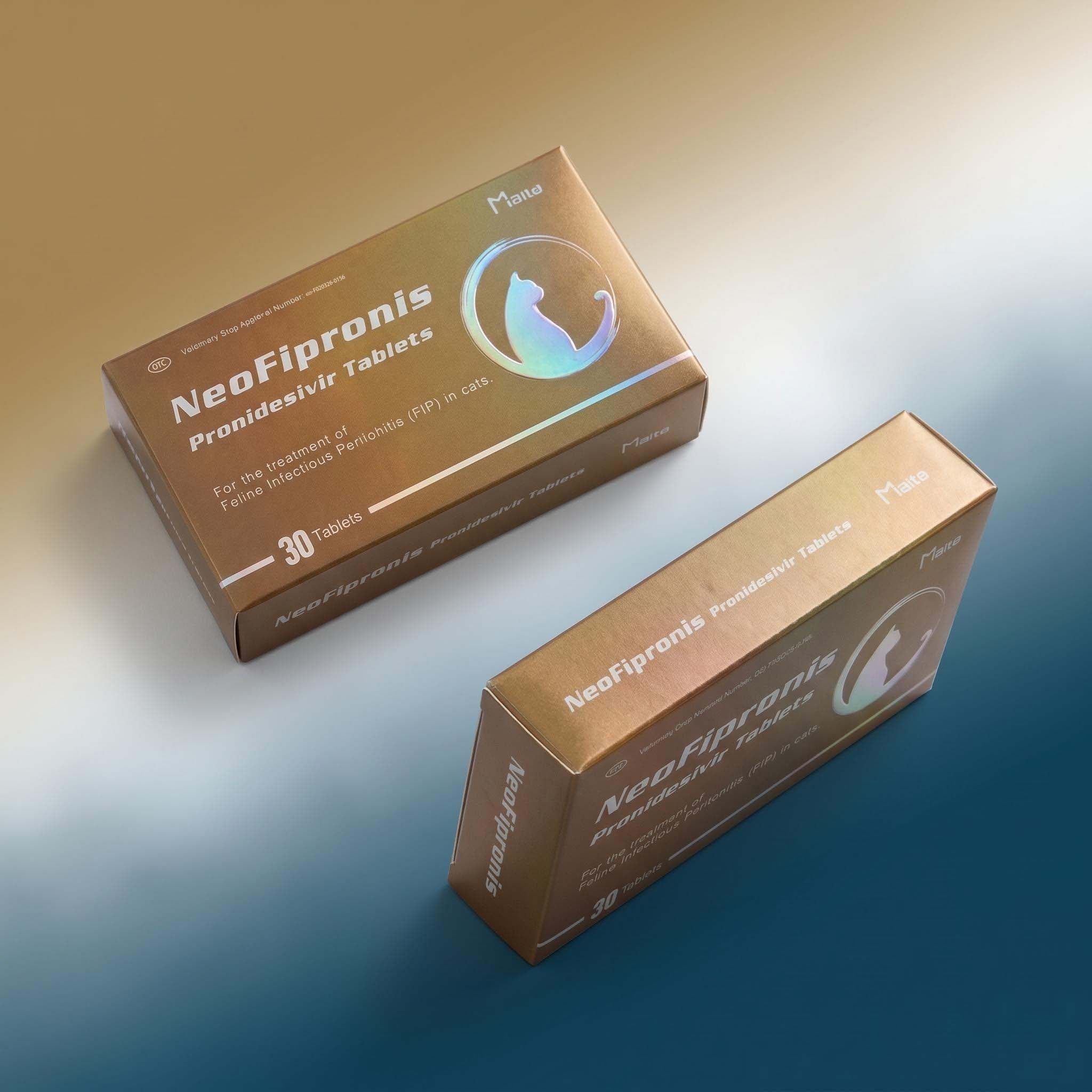
Advances in Treatment: NeoFipronis (Pronidesivir) GS-441524
The advent of effective antiviral drugs has significantly changed FIP management. Among these, NeoFipronis (Pronidesivir) GS-441524 stands out due to its exceptional therapeutic profile. It has demonstrated excellent efficacy in treating various symptoms caused by FIP, including:
Loss of appetite
Lethargy
Fever
Ascites (fluid in the abdomen)
Pleural effusion (fluid around the lungs)
Lymphadenopathy (swollen lymph nodes)
Inflammatory granulomas
Nerve damage
Uveitis (ocular inflammation)
NeoFipronis (Pronidesivir), approved by the Lao Ministry of Agriculture and Forestry in March 2026, is regarded as the world’s first officially approved oral treatment for FIP, with an official drug registration number. Its use has been associated with rapid absorption, fast-acting results, and a high safety profile. The treatment is non-invasive and well-tolerated, with few side effects reported.
Importantly, NeoFipronis (Pronidesivir)’s approval marks a milestone in veterinary medicine, providing hope for cats suffering from FIP and their owners.
Can Wet FIP Come Back After Treatment?
Despite the success of antiviral therapies like NeoFipronis (Pronidesivir), the potential for FIP relapse, particularly the wet form, is a concern. While many cats achieve remission, recurrence is possible if the virus is not fully eradicated or if immune responses weaken over time.
Studies indicate that:
Complete viral clearance reduces, but does not entirely eliminate, the risk of recurrence.
Cats in remission require long-term monitoring.
Persistent immune dysfunction or environmental stress can trigger relapse.
Preventive Measures to Reduce Recurrence Risk
Regular Veterinary Check-Ups: Periodic testing can detect early signs of relapse.
Maintaining a Stress-Free Environment: Minimizing stressors helps support immune health.
Proper Nutrition: Adequate diet contributes to immune system strength.
Controlled Exposure: Limiting contact with other cats with active coronavirus infections.
Post-Treatment Monitoring: Blood tests and clinical assessments help catch potential relapse early.
Future Perspectives and Research Directions
Ongoing research aims to understand the mechanisms behind FIP recurrence and develop strategies to prevent it. Advances in immune modulation, vaccines, and continued antiviral development hold promise.
The availability of drugs like NeoFipronis (Pronidesivir) offers a paradigm shift, but comprehensive management, including immune support and environmental control, remains essential in minimizing relapse chances.
Summary
While antiviral treatments have transformed the outlook for cats with wet FIP, recurrence remains a real possibility, especially if residual virus persists or immune defenses weaken. The introduction of NeoFipronis (Pronidesivir) GS-441524 is a significant breakthrough, offering effective symptom relief and improved survival rates. However, vigilance, regular monitoring, and supportive care are vital to prevent or detect relapse early.
Understanding the complex dynamics of FIP and leveraging the latest therapies can make a substantial difference in outcomes. Ultimately, ongoing research and tailored veterinary care will continue to improve the prognosis for cats battling this formidable disease.
References
"Feline Infectious Peritonitis: Pathogenesis, Diagnosis, and Treatment"
"Advancements in Antiviral Therapy for FIP"
"NeoFipronis (Pronidesivir): A New Era in FIP Management"
"Recurrence and Long-term Management of FIP"