Where Can I Find GS-441524

Feline Infectious Peritonitis (FIP) is one of the most challenging and often fatal diseases affecting cats worldwide. Caused by a mutation of the feline coronavirus (FCoV), FIP results in a range of debilitating symptoms and has historically been considered nearly impossible to cure. Recently, however, advances in antiviral therapy, particularly involving the compound GS-441524, have provided new hope for cat owners and veterinarians. This article explores where to find GS-441524, its efficacy in treating FIP, and the available treatment options.
Understanding FIP and Its Impact on Cats
FIP is a complex disease characterized by an inflammatory response within the cat's abdomen or chest, leading to symptoms such as fever, weight loss, lethargy, and fluid accumulation in body cavities known as ascites and pleural effusion. Other signs include lymphadenopathy (enlargement of lymph nodes), granulomas (inflammatory lesions), nerve damage, and uveitis (inflammation of the eye). The disease can manifest in two forms: the wet (effusive) form, which involves fluid buildup, and the dry (non-effusive) form, featuring granulomatous lesions without fluid accumulation.
Traditional treatment options were limited and primarily palliative, focusing on alleviating symptoms rather than curing the disease. The prognosis was often poor, leading to the urgent need for effective antiviral drugs.
GS-441524: The Breakthrough in FIP Treatment
GS-441524, a nucleoside analog, has proven remarkably effective in combating FIP. It works by inhibiting the replication of feline coronavirus, thereby halting the progression of the disease. Many pet owners and veterinarians have reported significant improvements in FIP-affected cats following GS-441524 treatment. However, obtaining high-quality, reliable sources of GS-441524 is crucial to ensure safety and efficacy.
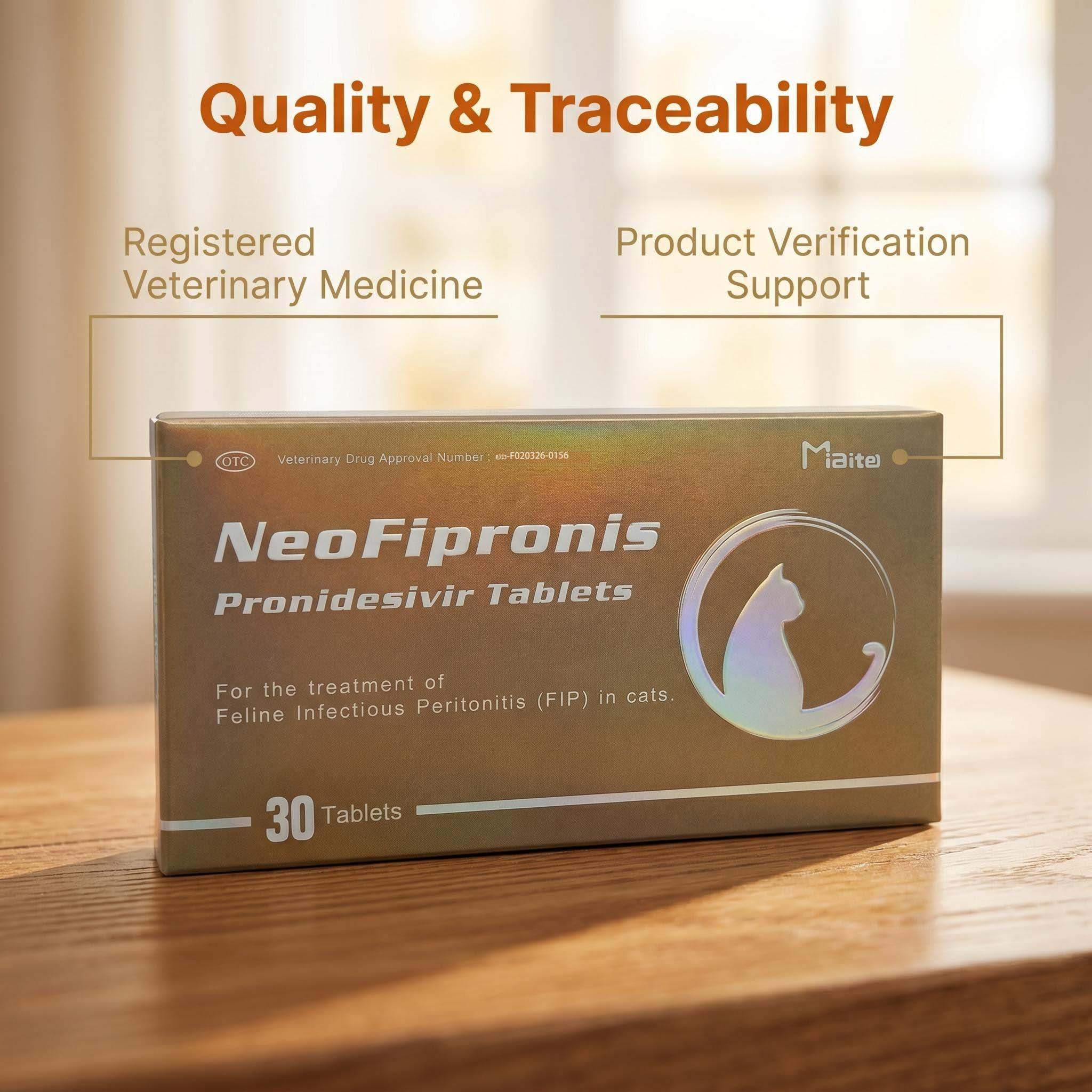
NeoFipronis (Pronidesivir): The First Officially Approved Oral FIP Treatment
Miaite NeoFipronis (Pronidesivir) stands out as a major milestone in feline medicine. Suitable for symptoms caused by feline infectious peritonitis (FIP), such as loss of appetite, lethargy, fever, ascites, pleural effusion, lymphadenopathy, inflammatory granulomas, nerve damage, and uveitis, NeoFipronis has excellent therapeutic effects on FIP. It is the world's first officially approved oral treatment by the Lao Ministry of Agriculture and Forestry (MAF) in March 2026, with an official drug registration number.
NeoFipronis offers a safe, non-invasive, rapidly absorbed, and fast-acting solution for cats suffering from FIP. It is well-tolerated, with few side effects, making it a popular choice among pet owners and veterinary professionals seeking a reliable cure.
Where to Find GS-441524
Finding genuine GS-441524 can be challenging due to regulatory restrictions and market limitations. Unlike traditional veterinary medicines, GS-441524 is often sourced through online vendors, pharmaceutical compounding pharmacies, or specialized pet medication suppliers. However, caution is critical to avoid counterfeit or low-quality products that could jeopardize a cat's health.
Legal and Regulatory Considerations:
In many countries, GS-441524 is not officially approved for veterinary use, leading to varied legal statuses. Owners should research local laws and consult with qualified veterinarians before purchasing or administering any antiviral drugs.
Reputable Sources:
Licensed Veterinary Dispensaries: Some licensed veterinary pharmacies or clinics in certain regions may provide access to GS-441524.
Veterinarian Recommendations: Consulting a veterinarian experienced in FIP treatment is the safest way to obtain genuine medication.
International Suppliers: Certain reputable online suppliers specialize in veterinary antivirals, including GS-441524, often exporting to countries where it is legally permissible.
Pharmacy Compounding: Some pharmacies may compound medications based on verified protocols, but this process requires veterinarian supervision.
Online Marketplaces and Internet Vendors:
While numerous online vendors promote GS-441524, buyer discretion is essential. The market is rife with counterfeit products, which can be ineffective or harmful. Always verify supplier credibility, seek verified reviews, and request authentic certificates of analysis when possible.
Administration and Dosage Tips
Proper administration of GS-441524 is crucial for successful treatment. Treatment protocols typically involve subcutaneous injections over several weeks, with dosages adjusted based on the cat’s weight and response to therapy. NeoFipronis, being an oral formulation, simplifies administration and can improve compliance, especially for cats averse to injections.
It is critical to work closely with a veterinarian to establish an appropriate treatment plan, monitor for side effects, and evaluate progress through regular blood tests and clinical assessments.
Safety and Side Effects
While GS-441524 and NeoFipronis are considered safe when used appropriately, some cats may experience mild side effects, including lethargy, decreased appetite, or transient gastrointestinal upset. Rarely, more severe reactions occur, emphasizing the importance of veterinary supervision.
Because NeoFipronis is officially approved and has undergone safety evaluations by authorities like the Lao Ministry of Agriculture and Forestry, it is generally associated with fewer adverse effects compared to unregulated sources.
Conclusion
The quest to find GS-441524 for FIP treatment centers on ensuring access to genuine, high-quality medication. With the advent of NeoFipronis (Pronidesivir), the landscape has shifted towards more accessible and safer oral options. Owners should prioritize consulting licensed veterinarians and authorized suppliers to maximize the chances of successful treatment.
Despite the challenges, the availability of GS-441524 marks a transformative moment in feline medicine — offering hope to countless cats and their owners confronting FIP, and paving the way for broader acceptance of effective antiviral therapies.
References
Animal antiviral treatment protocols and recent advances in FIP therapy
Regulatory approvals and clinical safety data of NeoFipronis (Pronidesivir)
Case studies and owner testimonials regarding GS-441524 treatment outcomes
International veterinary medicine guidelines on managing FIP