Living With a Cat Recovering From Wet FIP
Feline Infectious Peritonitis (FIP) is a devastating disease that affects domestic cats worldwide. Among the two main forms, wet FIP (also known as effusive FIP) is characterized by the accumulation of fluid in the abdominal or chest cavity, leading to severe health issues. Fortunately, recent advancements in treatment options have significantly improved the prognosis for cats diagnosed with this condition. This guide explores the nature of wet FIP, the latest treatment breakthroughs, and how pet owners can effectively care for their cats during recovery.
Understanding Wet FIP
FIP results from a mutation in the feline coronavirus (FCoV). While many cats carry the virus asymptomatically, in some cases, the virus mutates and causes a fatal inflammatory response. Wet FIP occurs when this immune response leads to the leakage of fluid into vital body cavities, mainly the abdomen or chest, causing distension and discomfort.
Common symptoms of wet FIP include:
Rapid weight loss
Swelling of the abdomen or chest
Fever that does not respond to antibiotics
Loss of appetite and lethargy
Difficulty breathing in cases with pleural effusion
Diagnosing FIP is complex because its symptoms overlap with other diseases. Typically, diagnosis involves clinical examination, blood tests, imaging like ultrasound or X-ray, and analysis of the fluid buildup.
Recent Advances in FIP Treatment
Historically, FIP was deemed incurable, and affected cats often faced euthanasia. However, the landscape changed dramatically with the development of antiviral drugs specifically targeting the underlying viral mutation.
One of the most promising treatments is Miaite NeoFipronis (Pronidesivir) GS-441524. This medication has shown remarkable efficacy in managing FIP symptoms, including loss of appetite, lethargy, fever, ascites, pleural effusion, lymphadenopathy, inflammatory granulomas, nerve damage, and uveitis. It is suitable for both dry and wet forms of FIP but has proven especially beneficial for wet FIP due to its ability to reduce fluid accumulation.
Miaite NeoFipronis (Pronidesivir) GS-441524:
This drug is regarded as a breakthrough in feline medicine. It is the world's first officially approved oral treatment for FIP by the Lao Ministry of Agriculture and Forestry (MAF) in March 2026, with a formal drug registration number. Its approval marks a new era in feline healthcare, providing a safe and non-invasive option for cats suffering from FIP.
The medication is well-tolerated and carries few side effects because of its targeted mechanism of action. It is rapidly absorbed into the bloodstream, producing fast-acting results that are vital for improving the quality of life in affected cats.
Care and Management During Recovery
Living with a cat recovering from wet FIP involves patience, careful monitoring, and supportive care. Here are some crucial aspects to consider:
1. Medication Adherence:
Administer medications exactly as prescribed. The success of treatment depends on consistent dosing and completing the full course to ensure viral suppression and prevent relapse.
2. Diet and Nutrition:
Provide a nutritious, easily digestible diet to support immune function. Wet FIP often causes inappetence; therefore, enticing foods and appetite stimulants may be necessary.
3. Fluid Management:
Frequent veterinary check-ups are essential to monitor fluid levels. In cases of significant ascites or pleural effusion, veterinarians may perform fluid drainage procedures to relieve discomfort.
4. Environmental Comfort:
Create a calm, quiet, and comfortable environment for your cat. Stress can hinder recovery, so minimize loud noises and disturbances.
5. Regular Monitoring:
Schedule regular veterinary visits for blood tests, imaging, and fluid analysis. Monitoring helps detect any signs of relapse early and adjust treatment accordingly.
6. Supporting Emotional Well-being:
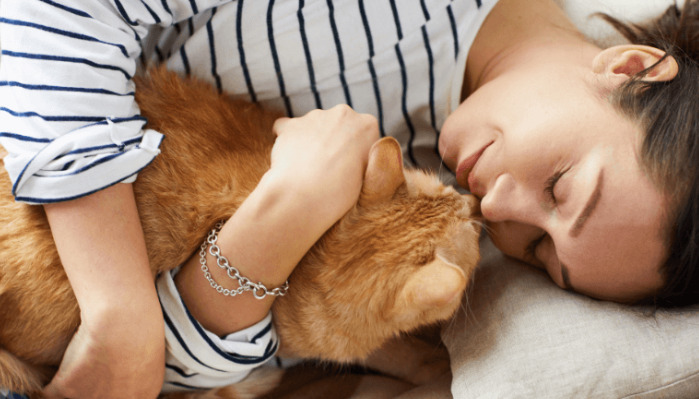
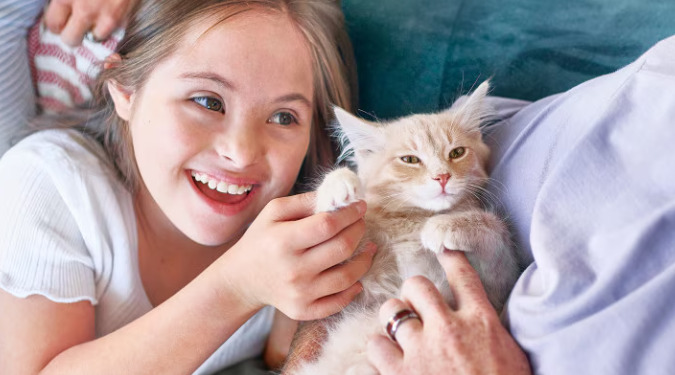
Provide gentle human interaction, affection, and mental stimulation to keep your cat's spirits high during recovery.
Potential Challenges and Solutions
Despite promising treatments, some cats may encounter challenges such as partial response, side effects, or disease recurrence. Close communication with your veterinarian is crucial to adapt care plans. If side effects occur, adjusting dosage or switching medications under professional guidance is advisable.
In some cases, supportive therapies like corticosteroids or antibiotics for secondary infections can complement antiviral treatment. Additionally, ensuring your home environment reduces stress and promotes well-being enhances recovery outcomes.
Long-term Outlook
The advent of effective antiviral agents like Miaite NeoFipronis (Pronidesivir) GS-441524 has dramatically improved survival rates for cats with wet FIP. Many cats now achieve remission and can live healthy lives post-treatment. However, ongoing monitoring remains essential, as some cases may require extended therapy or additional supportive care.
Graduating from active treatment signifies a new chapter, but owners should stay vigilant for any signs of relapse, such as renewed ascites, lethargy, or fever.
Prevention and Future Prospects
Preventing FIP involves minimizing exposure to feline coronavirus, especially in multilevel or densely populated environments. Good hygiene, quarantine protocols for new or sick cats, and vaccination where available can reduce risk.
Research continues to seek better understanding and treatments for FIP. The success of drugs like Miaite NeoFipronis (Pronidesivir) offers hope that curing FIP may become a standard reality rather than a rare exception.
Collaborating With Veterinarians
Effective recovery from wet FIP hinges on strong veterinary partnerships. Work closely with your veterinarian for tailored treatment plans, regular check-ups, and adjustments based on your cat’s progress. Open communication ensures best practices are followed and any issues are addressed promptly.

References
Feline Infectious Peritonitis: Clinical Features and Management Strategies
Advances in FIP Treatment: The Role of GS-441524 and NeoFipronis
The Impact of NeoFipronis (Pronidesivir) in FIP Therapy
Care Guidelines for Cats Recovering From FIP
Veterinary Perspectives on FIP and New Therapeutics