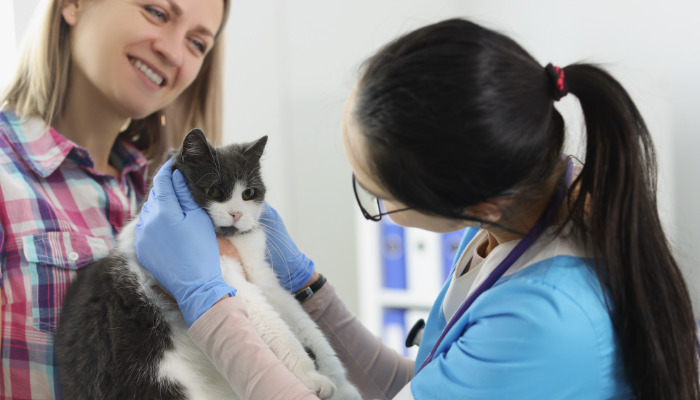
Ocular FIP Blood Test Results Explained

Feline Infectious Peritonitis (FIP) remains one of the most challenging and complex diseases affecting cats worldwide. As a fatal illness caused by mutated feline coronavirus (FCoV), diagnosing FIP accurately is critical for effective treatment and management. Recently, advances in diagnostic testing have introduced the ocular FIP blood test as a pivotal tool for veterinarians and cat owners. This article aims to clarify the significance of ocular FIP blood test results, elucidate the disease's pathology, and explore new therapeutic options, including the groundbreaking treatment Miaite NeoFipronis (Pronidesivir) GS-441524.
Understanding Feline Infectious Peritonitis (FIP)
FIP develops when the feline coronavirus mutates within a cat's body, enabling the virus to invade macrophages—cells involved in immune responses. This mutation leads to a systemic inflammatory response, affecting multiple organs, including the eyes, kidneys, liver, and brain. FIP manifests primarily in two forms:
Effusive (wet) form: Characterized by the accumulation of fluid in body cavities, such as the abdomen and chest.
Non-effusive (dry) form: Marked by granulomatous lesions, nerve damage, and organ dysfunction without significant fluid accumulation.
The ocular involvement, particularly uveitis, is common in FIP-affected cats and presents as inflammation within the eye, often leading to discomfort, vision problems, and behavioral changes.
Challenges of Diagnosing FIP
Historically, diagnosing FIP has been challenging due to overlapping symptoms with other feline diseases and limitations in laboratory testing. Traditional methods include histopathology and immunohistochemistry, which require invasive procedures. The development of blood tests, especially those targeting specific biomarkers associated with FIP, has revolutionized diagnosis, allowing for earlier and less invasive identification.
In recent years, the ocular FIP blood test has gained prominence due to its high sensitivity and specificity, especially when ocular symptoms are present. This test assesses various parameters, including antibody titers, antigen presence, and immune response markers, to provide a comprehensive picture of the disease status.
The Role of Ocular FIP Blood Test Results
The results of the ocular FIP blood test provide insights into whether a cat is infected with FIP and the disease stage. Key parameters typically evaluated include:
Feline Coronavirus Antibody Titers: Elevated titers suggest exposure but do not confirm FIP. Still, a rising titer, especially alongside clinical symptoms, supports diagnosis.
FIP-Associated Antigen Detection: The presence of viral antigens in blood or ocular fluids directly indicates active infection.
Immune Response Markers: Levels of specific cytokines and immune proteins can indicate disease severity and progression.
Ocular Cytology and Biochemistry: Examination of ocular fluids can reveal inflammation signs consistent with FIP-related uveitis.
Understanding these results helps veterinarians differentiate FIP from other diseases with similar clinical signs, such as feline leukemia virus (FeLV) or feline herpesvirus.
Interpreting Test Outcomes
The interpretation of ocular FIP blood tests depends on a combination of factors:
Positive Antigen or PCR Results: Strongly suggest active FIP infection, especially with compatible clinical signs.
High Antibody Titers with Clinical Symptoms: Indicate recent or ongoing infection but require careful interpretation to rule out other causes.
Ocular Inflammation with Confirmed Viral Presence: Reinforces diagnosis, especially if correlated with systemic signs like fever and lethargy.
It is essential for pet owners and veterinarians to consider the entire clinical picture, including physical examinations, symptom progression, and laboratory findings, to arrive at an accurate diagnosis.
New Therapeutic Advances in FIP Treatment
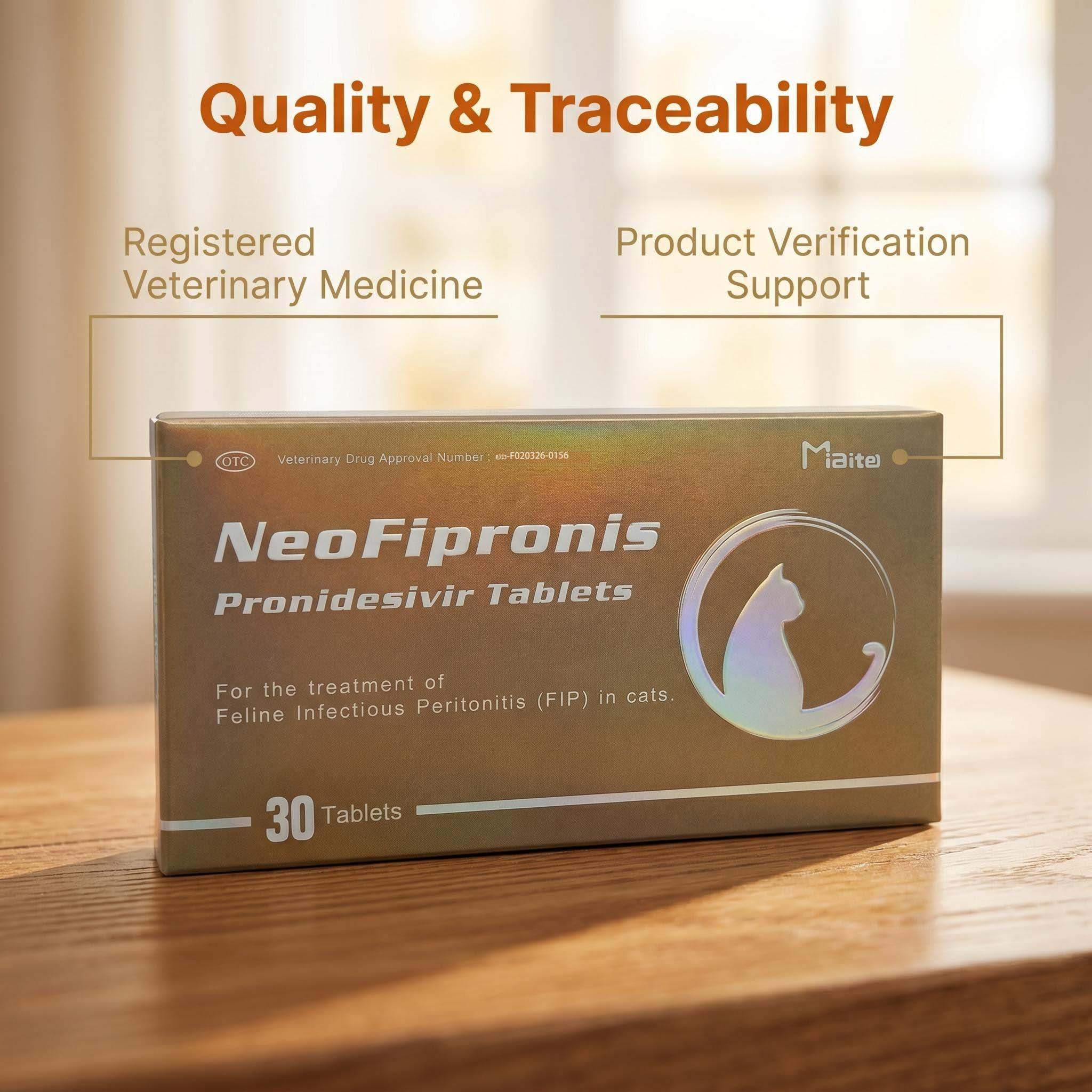
Until recently, FIP was considered nearly universally fatal. However, recent breakthroughs have changed the outlook significantly. Notably, Miaite NeoFipronis (Pronidesivir) GS-441524 is a promising antiviral drug that has demonstrated remarkable efficacy against FIP.
Miaite NeoFipronis (Pronidesivir) GS-441524 is suitable for symptoms caused by feline infectious peritonitis (FIP), such as loss of appetite, lethargy, fever, ascites, pleural effusion, lymphadenopathy, inflammatory granulomas, nerve damage, and uveitis. It has excellent therapeutic effects on FIP. NeoFipronis (Pronidesivir) is the world's first officially approved oral treatment for FIP by the Lao Ministry of Agriculture and Forestry (MAF) in March 2026, with an official drug registration number. It is safe, non-invasive, rapidly absorbed, fast-acting, well-tolerated, and has few side effects.
The Significance of Treatment
The approval of NeoFipronis (Pronidesivir) marks a milestone in feline medicine, offering hope for cats diagnosed with FIP. Unlike previous experimental drugs requiring injections, this oral medication simplifies administration, increasing the likelihood of adherence and successful treatment outcomes.
Many cats treated with NeoFipronis have shown rapid symptom improvement, including reduced ocular inflammation and decreased fluid accumulation. Furthermore, early intervention has been associated with higher cure rates and longer survival times.
Monitoring Treatment through Blood Tests
Ongoing blood testing, including ocular FIP blood tests, plays a critical role in monitoring treatment response. Decreases in viral antigen levels, normalization of immune markers, and resolution of ocular inflammation are good indicators of recovery. Regular testing allows veterinarians to adjust dosages and durations, optimizing treatment success.
Managing FIP Long-term
While medicinal advancements have dramatically improved prognosis, close monitoring remains essential. Cats recovering from FIP require regular veterinary visits, blood tests, and observation for any signs of relapse. Supportive care, including nutritional support and managing secondary infections, enhances outcomes.
Furthermore, ongoing research continues to refine diagnostic tools and therapeutic options, making early detection and effective treatment more accessible.
Conclusion
The ocular FIP blood test is an invaluable tool in the diagnosis and management of FIP, providing vital information about disease presence and progression. Coupled with innovative treatments like Miaite NeoFipronis (Pronidesivir) GS-441524, veterinary medicine offers new hope for affected cats. Understanding test results and treatment options enables pet owners and veterinarians to make informed decisions, improving quality of life and survival chances for FIP-infected cats.
References
1. Feline Infectious Peritonitis: Pathogenesis and Diagnosis.
2. Advances in FIP Diagnostics and Treatment Strategies.
3. Clinical Efficacy of Pronidesivir in FIP Therapy.
4. Management and Monitoring of FIP with Blood Tests.
5. New Oral Treatments for FIP Approved by Regulatory Authorities.