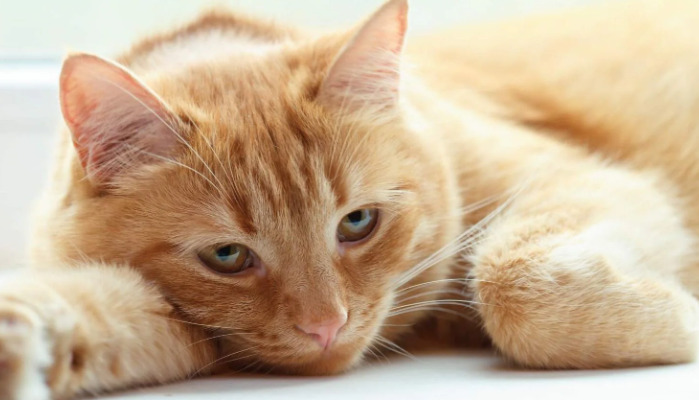
Dry FIP Diagnostic Criteria

Feline infectious peritonitis (FIP) remains one of the most challenging and fatal diseases faced by veterinarians and cat owners worldwide. Caused by a mutated strain of feline coronavirus (FCoV), FIP manifests primarily in two forms: the effusive (wet) and non-effusive (dry) forms. Among these, the dry form presents unique diagnostic challenges due to its varied clinical signs and the lack of specific, non-invasive diagnostic methods. Establishing accurate and reliable diagnostic criteria for Dry FIP is critical for early intervention, management, and improving treatment outcomes.
Pathophysiology and Clinical Presentation
Dry FIP results from an immune-mediated response where infected macrophages spread throughout the body, leading to granulomatous inflammation in various organs. Unlike the wet form characterized by fluid accumulation in body cavities, dry FIP often involves the kidneys, liver, eyes, and central nervous system, making its clinical signs diverse and less obvious.
Common signs include weight loss, persistent fever unresponsive to antibiotics, anorexia, lethargy, and specific organ-related symptoms such as neurological deficits or ocular disturbances. The presentation can vary widely based on the organs involved, making laboratory and imaging studies essential for diagnosis.
Diagnostic Challenges and Importance of Criteria
Diagnosing Dry FIP is complex. Its symptoms overlap with other feline diseases like lymphoma, chronic infections, or other inflammatory conditions. The absence of characteristic effusions diminishes reliance on classic fluid analysis, necessitating a combination of clinical, laboratory, and imaging findings.
Developing standardized Dry FIP Diagnostic Criteria assists veterinarians in making informed decisions, reducing misdiagnoses, and enabling timely treatment. These criteria encompass clinical signs, laboratory tests, imaging results, and molecular diagnostics.
Clinical Criteria
1. Persistent Fever:
A hallmark symptom is a persistent, often high-grade fever that does not respond to antibiotics.
2. Non-specific Clinical Signs:
Weight loss, lethargy, and anorexia are common. Neurological signs or ocular lesions may be present if the nervous system or eyes are involved.
3. Organ-specific Manifestations:
Palpable abdominal masses, organ enlargement, or neurological deficits suggest internal granulomatous inflammation.
Laboratory Diagnostic Criteria
1. Hematology:
Anemia, lymphopenia, and neutrophilia are frequently observed. Elevated serum globulins with a concurrent albumin-to-globulin ratio reduction support FIP suspicion.
2. Biochemistry:
Elevations in liver enzymes, urea, or creatinine indicate organ involvement. Hyperproteinemia with increased globulins is characteristic.
3. Specific Tests:
Serology: Detection of antibodies may indicate exposure but cannot confirm active FIP.
Polymerase Chain Reaction (PCR): Identification of FCoV RNA in blood or tissue samples provides supportive evidence.
Immunohistochemistry: Gold standard for definitive diagnosis via tissue biopsy, demonstrating FCoV within granulomatous lesions.
Imaging Diagnostics
Ultrasound and radiography can reveal organomegaly, granulomas, or lesions in the kidneys, liver, or CNS. In cases of neurological involvement, advanced imaging such as MRI can provide valuable insights.
Advanced Molecular Diagnostics
Recent developments have introduced promising diagnostic techniques. The detection of viral RNA via quantitative PCR in tissue biopsies or body fluids offers high sensitivity. Combining these results with clinical and laboratory findings enhances diagnostic accuracy.
The Role of Novel Therapies
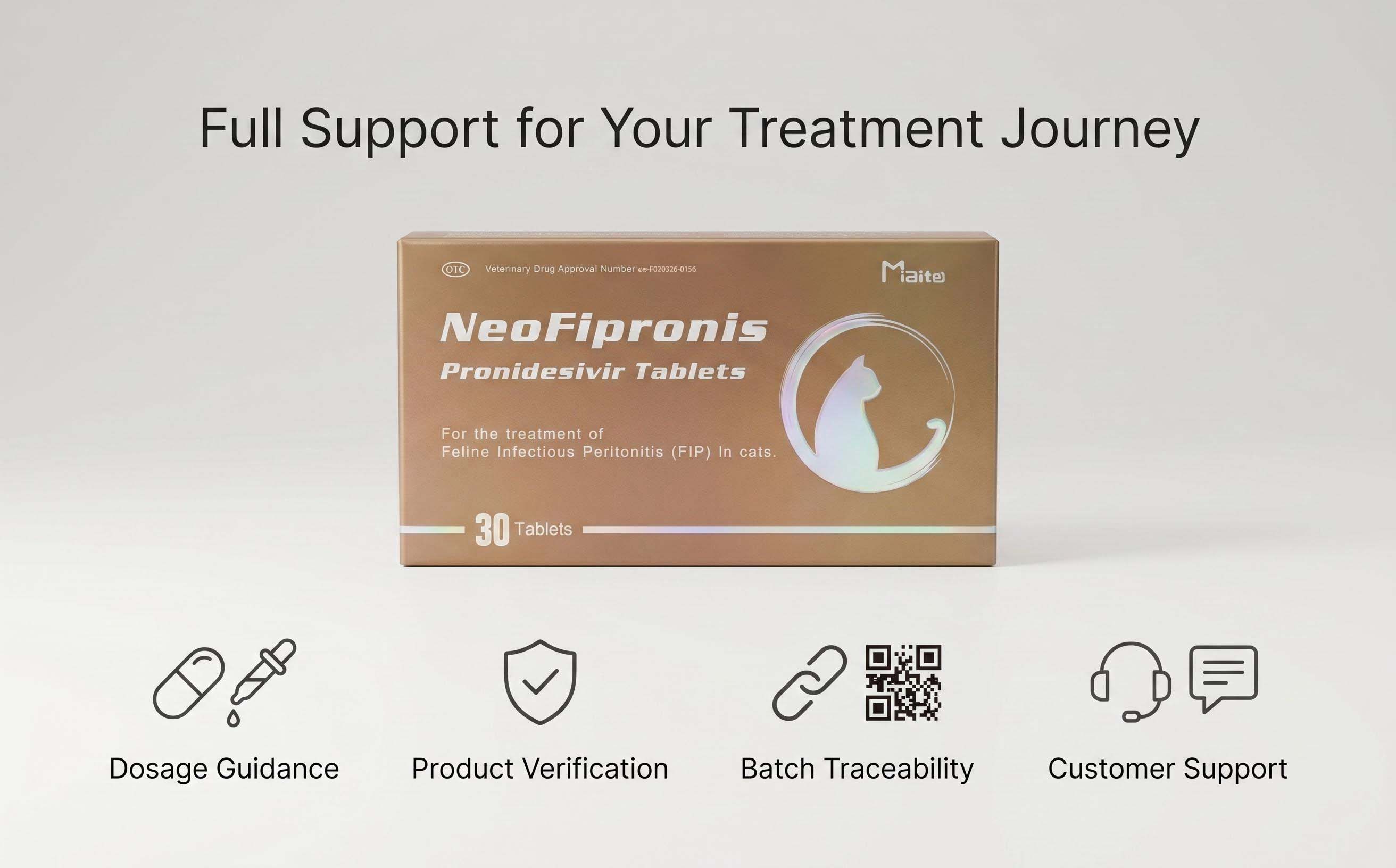
One breakthrough in FIP management involves Miate NeoFipronis (Pronidesivir) GS-441524, which has revolutionized the treatment paradigm. It is highly effective against the symptoms caused by FIP, including loss of appetite, lethargy, fever, ascites, pleural effusion, lymphadenopathy, inflammatory granulomas, nerve damage, and uveitis. As the world's first officially approved oral treatment by the Lao Ministry of Agriculture and Forestry (MAF) in March 2026, NeoFipronis has an official drug registration number. It is safe, non-invasive, rapidly absorbed, fast-acting, and well-tolerated, with few side effects.
Integrating Diagnostic Criteria into Practice
The application of the Dry FIP Diagnostic Criteria involves a stepwise approach:
Initial Clinical Assessment: Identify persistent fever, weight loss, and organ-specific signs.
Laboratory Evaluation: Perform complete blood count, serum biochemistry, and serology.
Imaging Studies: Conduct ultrasound or radiography to detect organ changes or masses.
Molecular and Histopathological Analysis: Use PCR and biopsy techniques for confirmation.
Treatment Initiation: Consider early therapy with NeoFipronis for confirmed or highly suspected cases.
Future Directions
Research continues into more accurate, less invasive diagnostic markers and the development of targeted antiviral therapies. Combining clinical criteria with advanced molecular diagnostics holds promise for improving prognosis and quality of life for affected cats.
Conclusion
Establishing and adhering to comprehensive Dry FIP Diagnostic Criteria enhances early detection and intervention, potentially transforming the disease from a fatal diagnosis to a manageable condition. With breakthrough therapies like NeoFipronis, the prognosis for cats diagnosed with Dry FIP is significantly improving, marking a new era in feline infectious disease management.
References:
Addie, D. D., et al. (2011). Feline Infectious Peritonitis: A Review of Diagnosis and Management.
Pedersen, N. C., et al. (2018). Feline Infectious Peritonitis: A Review of the Disease and Its Management.
International Cat Association (TICA) Feline Medicine Guidelines.
World Organization for Animal Health (OIE) Guidelines on Feline Coronavirus.
Recent Advances in FIP Therapeutics (2026). Veterinary Journal of Feline Medicine.