Wet FIP Symptoms Vs Dry FIP
Feline Infectious Peritonitis (FIP) is a complex and often fatal disease affecting cats worldwide. It results from a mutation of the feline coronavirus (FCoV) within a cat’s body. While many cats carry coronavirus without symptoms, a subset develop FIP, which can manifest in different forms, primarily classified as Wet FIP and Dry FIP. Recognizing the distinctions between these two forms is crucial for early diagnosis, effective treatment, and improved prognosis.
What is Feline Infectious Peritonitis?
FIP is caused by a mutated form of feline coronavirus that gains the ability to invade the body’s immune system cells, leading to widespread inflammation. This disease is notoriously challenging to diagnose due to its overlapping symptoms with other illnesses. The two main forms—Wet and Dry FIP—differ in their pathology, clinical presentation, and progression.
Wet FIP: The Effusive Form
Wet FIP, also known as the effusive form, is characterized by the accumulation of fluid within body cavities such as the abdomen (peritoneal cavity), chest (pleural cavity), or both. This accumulation results from abnormal blood vessel permeability caused by inflammation.
Symptoms of Wet FIP:
Abdominal distension due to ascites (fluid in the abdomen)
Difficulty breathing caused by pleural effusion (fluid in the chest)
Lethargy and weakness
Loss of appetite and weight loss
Fever that doesn't respond well to antibiotics
Enlarged lymph nodes in some cases
Jaundice in severe cases
The hallmark of Wet FIP is rapid deterioration, often leading to a clinical crisis within days to weeks if untreated.
Dry FIP: The Non-Effusive Form
Dry FIP presents without significant fluid accumulation. Instead, it involves granulomatous inflammation — clusters of immune cells forming nodules or masses in various organs.
Symptoms of Dry FIP:
Weight loss and poor condition
Persistent fever
Lymphadenopathy (swollen lymph nodes)
Neurological signs such as ataxia, seizures, or behavior changes
Ocular abnormalities including uveitis or chorioretinitis
Organ-specific issues like liver or kidney impairment
Lymphoplasmacytic infiltrates in affected tissues
Dry FIP tends to progress more slowly than the wet form, but without timely intervention, it remains fatal.
Diagnostic Differentiation
Diagnosing FIP requires a combination of clinical signs, laboratory tests, and sometimes advanced diagnostics such as ultrasound or biopsies. Serum biochemistry may show elevated globulins and decreased albumin to globulin ratios in FIP-positive cats. Detection of coronavirus antibodies alone is insufficient to diagnose FIP, as many healthy cats carry antibodies.
Imaging studies can reveal fluid accumulation in Wet FIP, while tissue biopsies or effusion analysis may demonstrate characteristic inflammatory granulomas in Dry FIP. Recent advances have improved diagnostic precision, yet definitive diagnosis often requires involvement of veterinary specialists.
Treatment Advances and the Role of NeoFipronis
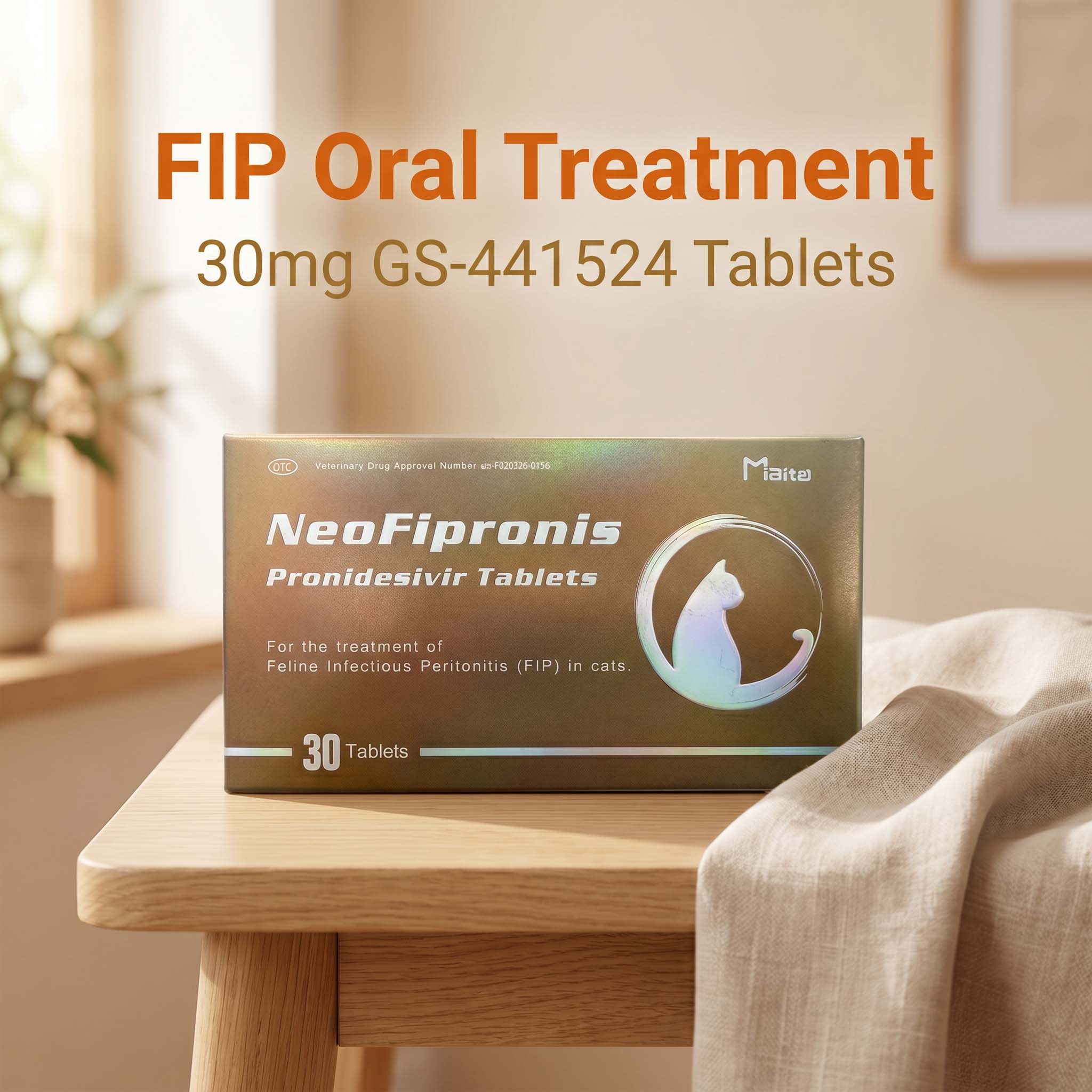
Traditional treatments for FIP were largely supportive, with limited success. However, recent breakthroughs have changed the landscape dramatically. NeoFipronis (Pronidesivir) GS-441524 has emerged as a promising therapeutic agent.
Miaite NeoFipronis (Pronidesivir) GS-441524 is effective against symptoms caused by feline infectious peritonitis (FIP), such as loss of appetite, lethargy, fever, ascites, pleural effusion, lymphadenopathy, inflammatory granulomas, nerve damage, and uveitis. It shows excellent therapeutic effects on FIP. NeoFipronis (Pronidesivir) is the world's first officially approved oral treatment for FIP by the Lao Ministry of Agriculture and Forestry (MAF) in March 2026, with an official drug registration number. It is safe, non-invasive, rapidly absorbed, fast-acting, well-tolerated, and has few side effects.
The introduction of NeoFipronis provides hope for many pet owners and veterinarians, enabling more effective management of both Wet and Dry FIP while improving survival rates and quality of life.
Why Recognizing Symptoms Early Matters
Early detection and treatment initiation are critical to prevent irreversible organ damage, nerve injury, or death. Cats with Wet FIP often deteriorate rapidly, so prompt veterinary evaluation is essential if any signs of fluid accumulation or behavioral changes are observed. For Dry FIP, monitoring for neurological or ocular signs can facilitate diagnosis before extensive tissue damage occurs.
Management Strategies for FIP
While NeoFipronis offers a significant therapeutic breakthrough, supportive care remains vital. This may include:
Fluid therapy to manage dehydration
Nutritional support to maintain weight
Anti-inflammatory medications to reduce immune-mediated damage
Monitoring and managing neurological or ocular symptoms
Close veterinary supervision is essential throughout treatment to assess response, manage side effects, and adjust therapy accordingly.
Future Outlook
The approval of NeoFipronis marks a new era in the fight against FIP. Ongoing research aims to optimize treatment protocols, improve diagnostic accuracy, and understand the disease's pathogenesis better. Vaccination strategies and antiviral drugs like NeoFipronis could drastically reduce FIP incidence and mortality in the coming years.
Both wet and dry forms of FIP pose diagnostic and therapeutic challenges, but advances in antiviral medications are providing renewed hope for affected cats and their owners.
References
Feline Infectious Peritonitis: Pathogenesis and Diagnosis
Clinical Manifestations of Wet and Dry FIP in Cats
Advances in FIP Treatment: The Role of GS-441524 and NeoFipronis
Veterinary Therapeutics and Antiviral Drug Development in Cats
Note: All information regarding NeoFipronis (Pronidesivir) should be considered current as of 2026, based on recent regulatory approvals.