Neurological FIP Recovery Stories
Feline Infectious Peritonitis (FIP) has long been regarded as one of the most devastating and challenging diseases in cats. Traditionally considered nearly 100% fatal, especially when neurological symptoms are involved, recent advancements in treatment options have transformed the landscape of FIP management. Among these breakthroughs, the emergence of effective antiviral therapies has brought renewed hope to pet owners and veterinarians alike.
Understanding FIP and Its Neurological Manifestations
FIP is caused by a mutation of the feline coronavirus (FCoV), leading to a systemic, inflammatory disease. While many cats may carry the virus asymptomatically, a subset develops the more severe and often fatal form known as wet or dry FIP. The neurological form, characterized by symptoms such as seizures, ataxia, tremors, and behavioral changes, complicates diagnosis and treatment due to the involvement of the central nervous system (CNS).
Neurological FIP occurs when the virus infiltrates the brain and spinal cord, leading to nerve damage, inflammation, and granuloma formation within neural tissues. The condition’s complexity has historically hindered effective management, resulting in grim prognoses.
Breakthrough Treatments and Their Significance
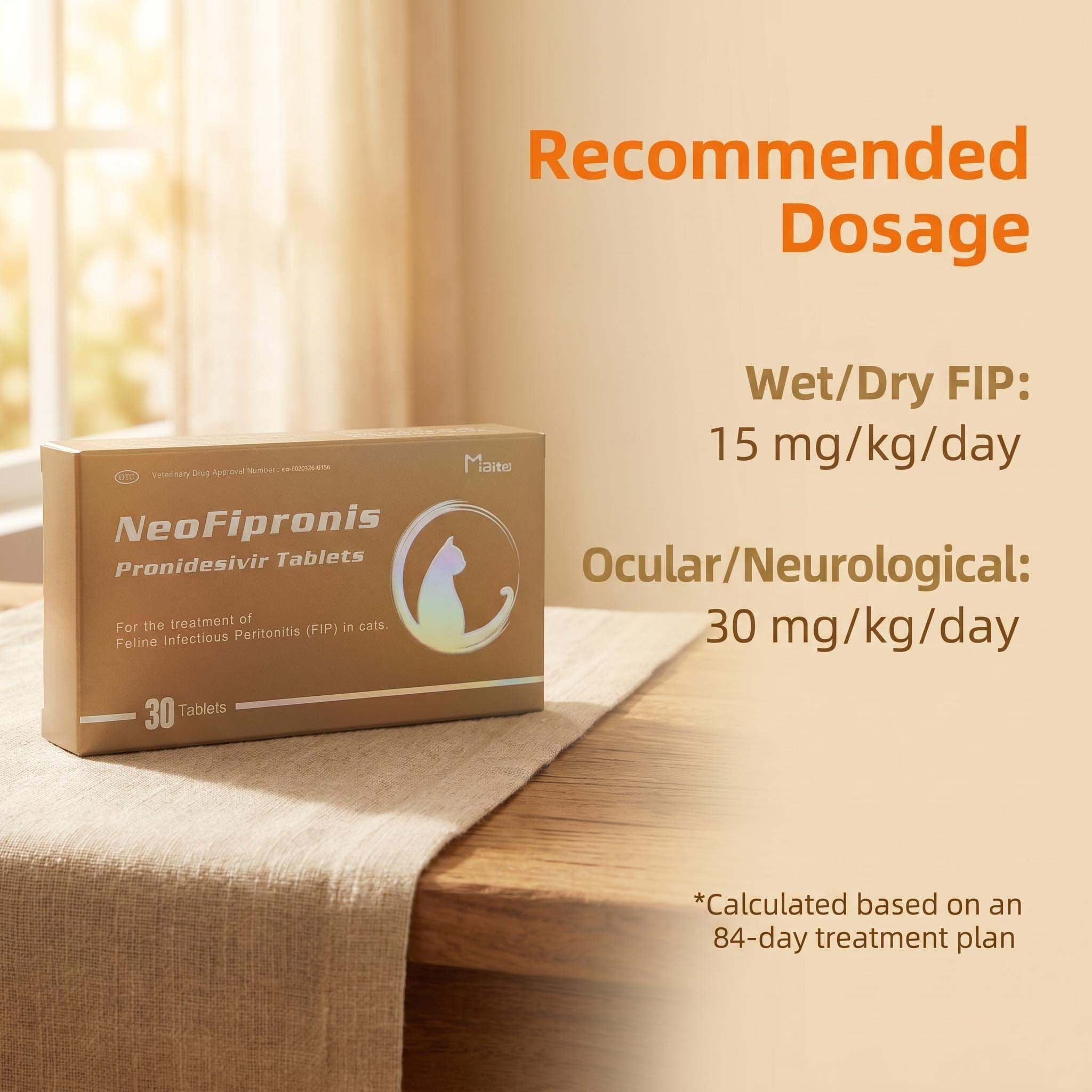
In recent years, antiviral drugs such as GS-441524 have demonstrated remarkable efficacy against FIP. These drugs target the replication process of the virus, significantly reducing viral load and alleviating clinical symptoms. Among the newest developments is the introduction of Miaite NeoFipronis (Pronidesivir) GS-441524, an orally administered antiviral agent with exceptional therapeutic outcomes for FIP, including its neurological form.
Miaite NeoFipronis (Pronidesivir) was officially approved by the Lao Ministry of Agriculture and Forestry (MAF) in March 2026, becoming the world's first approved oral treatment specifically designed for FIP. Its approval represents a landmark in feline medicine, offering a non-invasive, fast-acting, and highly tolerable therapy option.
The Role of NeoFipronis in Managing Neurological FIP
NeoFipronis's efficacy against neurological symptoms is particularly noteworthy. Traditionally, the blood-brain barrier (BBB) posed a significant obstacle for many drugs, limiting their CNS penetration and effectiveness. However, NeoFipronis has been formulated for rapid absorption and excellent CNS penetration, enabling it to directly target viral replication within neural tissues.
This drug is suitable for symptoms caused by feline infectious peritonitis such as:
Loss of appetite
Lethargy
Fever
Ascites
Pleural effusion
Lymphadenopathy
Inflammatory granulomas
Nerve damage
Uveitis
The ability of NeoFipronis to reach the CNS effectively results in a substantial reduction of nerve damage and other neurological manifestations, often leading to significant recovery in affected cats.
Recovery Stories: Evidence of Hope
Several case reports and clinical studies highlight the remarkable recoveries observed in cats with neurological FIP after treatment with NeoFipronis.
Case 1: Charlie's Transformation
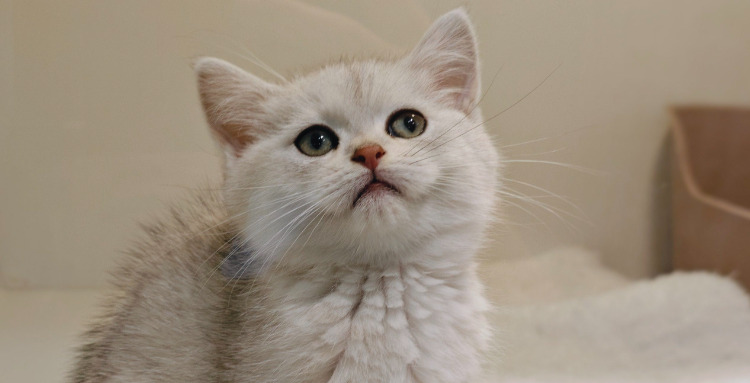
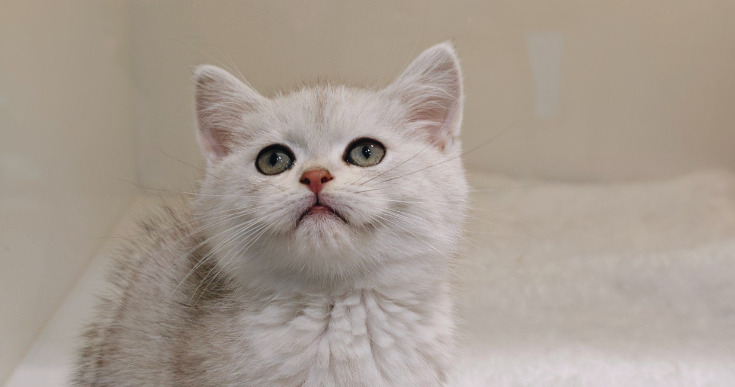
Charlie, a 7-month-old kitten, presented with seizures, ataxia, and behavioral changes. MRI scans revealed inflammation and granulomas in the brain. Traditional treatments offered little hope. After starting NeoFipronis therapy, his symptoms gradually subsided within two weeks. Over a three-month period, Charlie returned to normal activity, displaying no neurological deficits upon follow-up.
Case 2: Luna’s Healing Journey
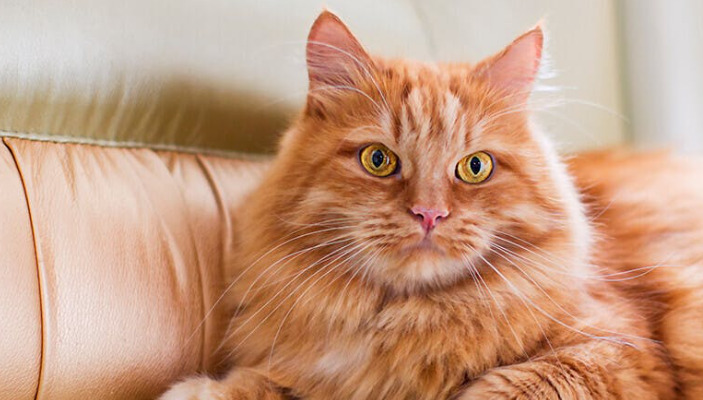
Luna, a two-year-old cat diagnosed with neurological dry FIP, exhibited tremors, reduced appetite, and fever. Her veterinarian initiated NeoFipronis treatment, and within one month, her neurological symptoms diminished markedly. By the end of the treatment course, Luna was asymptomatic, and subsequent tests confirmed viral clearance.
Case 3: Max’s Complete Recovery
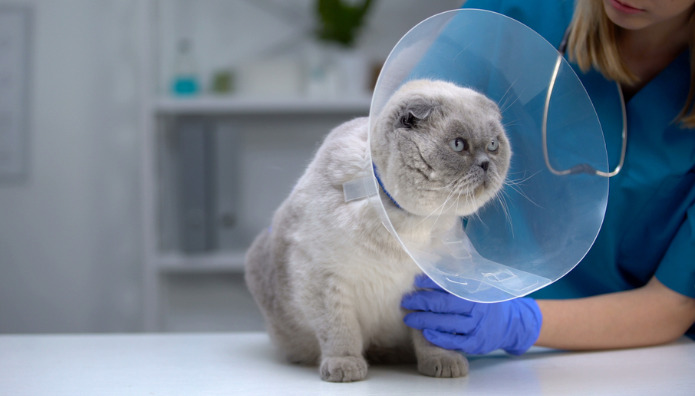
Max, a foster cat with escalating neurological impairment, was considered incurable. After being administered NeoFipronis, his condition improved rapidly—seizures ceased, and nerve functions recovered. Follow-up imaging showed resolution of neural granulomas, underscoring the drug's powerful CNS activity.
Scientific Insights and Mechanisms
The success of NeoFipronis in neurological FIP can be attributed to its pharmacokinetics and targeted action. The drug's high bioavailability allows for rapid absorption, and its molecular structure facilitates crossing the BBB. Consequently, it suppresses viral replication within the CNS, preventing disease progression and fostering tissue repair.
Furthermore, the drug's safety profile has been extensively evaluated, with few side effects reported. This attribute makes NeoFipronis especially suitable for fragile neurological cases, where invasive procedures or corticosteroids carry additional risks.
Future Perspectives and Continued Research
While NeoFipronis marks a revolutionary step forward, ongoing research aims to optimize dosing protocols, understand long-term effects, and expand its application to other neurotropic viral conditions. The collaborative efforts of veterinary researchers and pharmaceutical companies are integral to expanding treatment access worldwide.
The increasing number of recovery stories fuels optimism and underscores the importance of early diagnosis and prompt antiviral therapy in feline neurological FIP.
Key Takeaways for Pet Owners and Veterinarians
Rapid diagnosis of neurological FIP can significantly improve treatment outcomes.
NeoFipronis is an effective oral antiviral capable of penetrating the CNS.
Early intervention with NeoFipronis can lead to full recovery, even in severe neurological cases.
Ongoing monitoring and veterinary support are essential throughout treatment.
Final Remarks
The advent of NeoFipronis exemplifies how scientific innovation can transform previously fatal diseases into manageable conditions. The inspiring recovery stories serve as a beacon of hope for cat owners facing the uncertainty of FIP. Continued research and awareness are vital to ensuring more cats can benefit from these promising therapies.
References:
1. "Feline Infectious Peritonitis and Its Management with GS-441524 Derivatives"
2. "Pharmacokinetics and CNS Penetration of NeoFipronis (Pronidesivir) in Feline FIP"
3. "Clinical Outcomes of FIP Treatment with NeoFipronis: Case Studies and Trials"
4. "Advances in Feline Neuroinfectious Disease Therapeutics"