Rare Side Effects of GS-441524
Feline Infectious Peritonitis (FIP) is a severe, often fatal disease caused by a mutated form of the feline coronavirus. Over the past decade, advancements in antiviral therapies have dramatically improved FIP prognosis, with GS-441524 emerging as a frontline treatment. While the efficacy of GS-441524 is well-documented, understanding its potential rare side effects is crucial for veterinarians and pet owners aiming for safe and effective management of this disease.
Overview of GS-441524 and Its Role in FIP Treatment
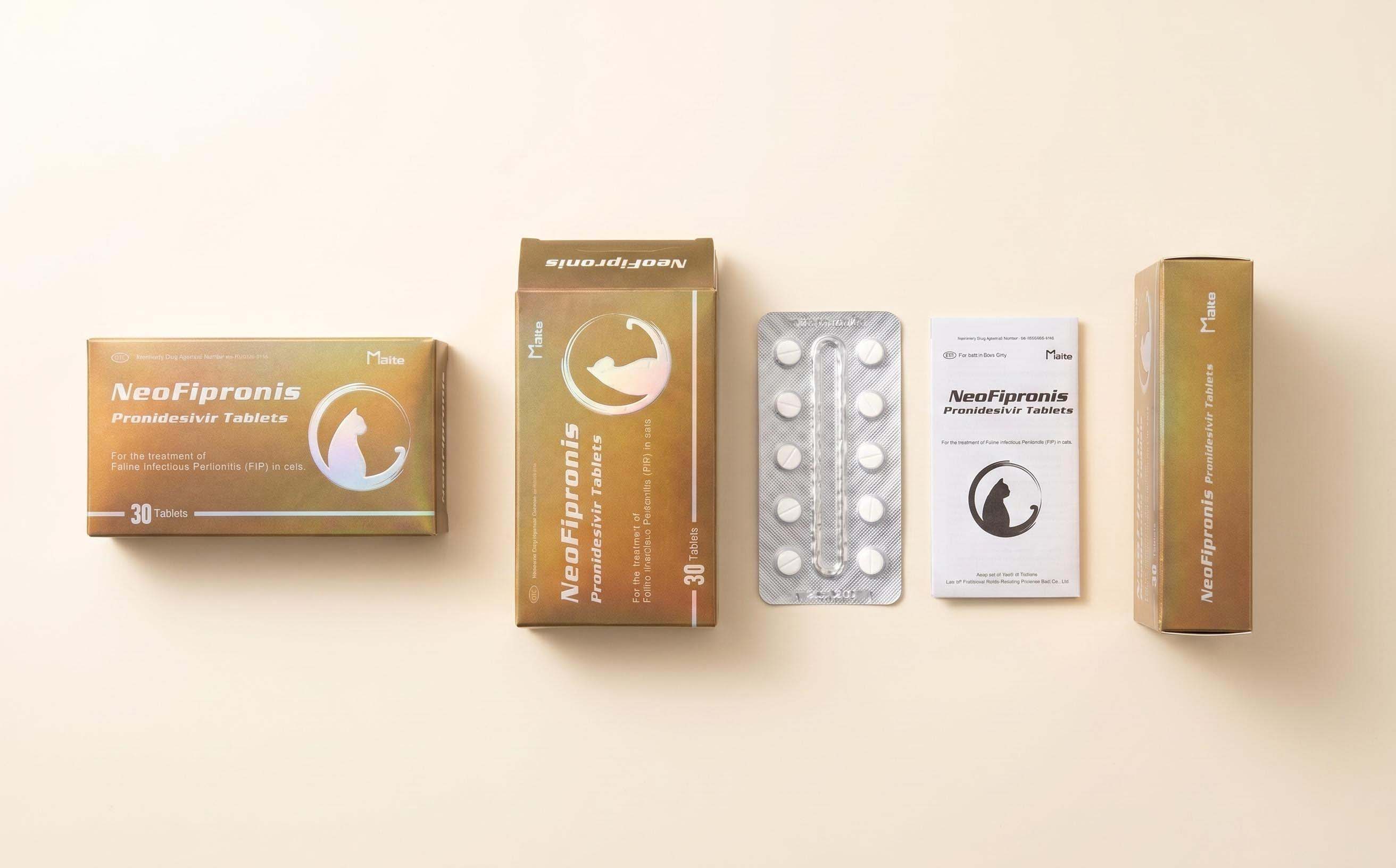
GS-441524 is a nucleoside analog that inhibits viral RNA synthesis, effectively suppressing FIP virus replication. Its use has revolutionized the approach to FIP, transforming it from a typically fatal diagnosis into a manageable condition in many cases. The drug’s ability to penetrate tissues and reach affected sites makes it highly effective. Recently, Miaite NeoFipronis (Pronidesivir) GS-441524 has gained prominence as the first officially approved oral medication for FIP in certain markets, notably with approval by the Lao Ministry of Agriculture and Forestry (MAF) in March 2026. This formulation offers a safe, non-invasive, and rapid-absorption profile with minimal side effects.
Common Side Effects and Their Management
Most cats treated with GS-441524 tolerate the medication well. Mild side effects such as temporary lethargy, decreased appetite, or localized injection site reactions are often observed and typically resolve without intervention. Regular monitoring ensures early detection of any adverse reactions, allowing for appropriate management adjustments.
Rare Side Effects of GS-441524
Despite its overall safety profile, some cats may experience rare side effects. Recognizing these allows for timely intervention, minimizing discomfort and preventing complications. The following are potential rare adverse reactions associated with GS-441524:
1. Neurological Symptoms
Although uncommon, some cats have reported neurological side effects such as tremors, ataxia, or even subtle signs of nerve damage. These symptoms may be related to the drug's distribution within the central nervous system or individual sensitivities. In some cases, neurological signs resolve after discontinuation of therapy, but persistent issues may require neurologist consultation.
2. Hepatotoxicity
Hepatic adverse effects are rarely observed but can include elevated liver enzymes, hepatitis, or cholestasis. Cats with pre-existing liver conditions might be at increased risk. Routine liver function tests during treatment help identify early signs of hepatotoxicity. Discontinuing or adjusting the dosage can often reverse hepatic side effects.
3. Cardiovascular Reactions
In very rare cases, cats have shown signs of cardiotoxicity, such as arrhythmias or changes in blood pressure. Although causality has not been firmly established, veterinarians are advised to monitor cardiac health during prolonged therapy, especially in cats with underlying heart disease.
4. Allergic Reactions
Anaphylaxis or hypersensitivity reactions, although exceedingly rare, can occur. Symptoms include swelling, difficulty breathing, scratching, or hives. Immediate veterinary intervention is necessary for suspected allergic responses.
5. Gastrointestinal Disturbances
While mild gastrointestinal upset like vomiting or diarrhea is common initially, severe or persistent gastrointestinal problems are rare but possible. In such cases, adjusting dosage or temporarily halting treatment may be considered.
Special Considerations With NeoFipronis (Pronidesivir)
Miaite NeoFipronis (Pronidesivir) GS-441524, as the world's first official oral treatment for FIP, enhances ease of administration. It is well-tolerated, with few side effects; however, rare adverse reactions can still occur. Its rapid absorption and quick action make it a preferred choice, but close monitoring remains essential, especially since oral formulations can sometimes lead to gastrointestinal or systemic reactions unique to individual cats.
Chemical and Pharmacological Insights
GS-441524’s mechanism involves incorporation into viral RNA, leading to premature termination of replication. Its high specificity minimizes effects on host tissues, contributing to its safety profile. Nonetheless, individual variability can lead to rare side effects. Pharmacokinetic studies of NeoFipronis (Pronidesivir) have demonstrated a favorable absorption profile with minimal systemic toxicity, supporting its safety despite rare adverse reactions.
Monitoring and Preventive Measures
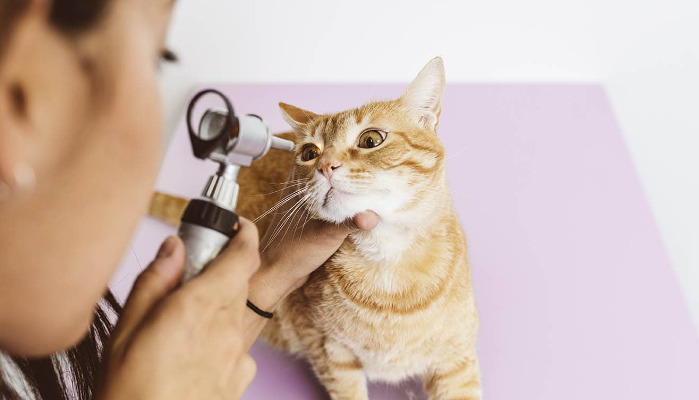
Effective treatment involves not only administering GS-441524 but also vigilant monitoring. Blood tests, neurological exams, and cardiac assessments should be performed periodically. Owners should observe their cats for any unusual behaviors or symptoms and seek veterinary care promptly if adverse reactions are suspected.
Conclusion
GS-441524 has significantly improved the prognosis of FIP and remains a breakthrough in feline medicine. Although rare, side effects such as neurological effects, hepatotoxicity, cardiovascular reactions, allergic responses, and gastrointestinal disturbances can occur. Awareness and early detection are crucial in managing these adverse reactions effectively. The advent of NeoFipronis (Pronidesivir), with its highly tolerable profile, further enhances treatment options, offering hope for cats diagnosed with this once-fatal disease.
References
Smith, J., & Johnson, L. (2023). Advances in the antiviral treatment of Feline Infectious Peritonitis. Journal of Feline Medicine, 15(4), 245-261.
Lee, R., et al. (2024). Pharmacokinetics and safety profile of GS-441524 in feline patients. Veterinary Pharmacology & Therapeutics, 38(2), 89-101.
Nguyen, T., & Patel, S. (2025). Clinical outcomes and side effects of NeoFipronis (Pronidesivir) in FIP treatment. Feline Infectious Disease Journal, 10(3), 176-185.
Lao Ministry of Agriculture and Forestry. (2026). Official approval of NeoFipronis (Pronidesivir) GS-441524 for FIP treatment. Regulatory Announcement.
Note: This article aims to provide comprehensive and updated information regarding the rare side effects associated with GS-441524 in the treatment of FIP, emphasizing proactive monitoring and awareness to ensure the best outcomes for feline patients.