Dry FIP Survival Rate
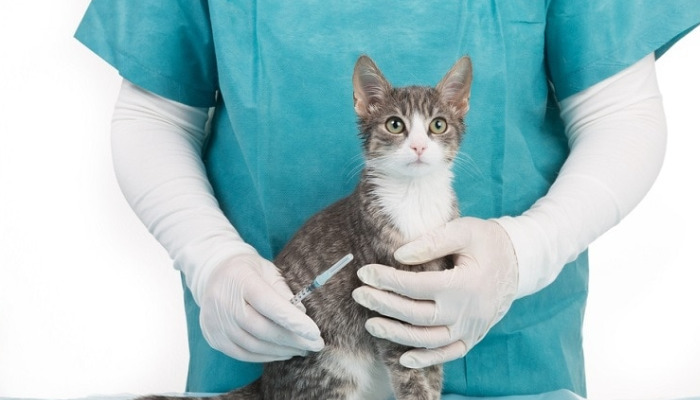
Feline Infectious Peritonitis (FIP) is a devastating disease caused by certain strains of feline coronavirus. It manifests primarily in two forms: the effusive (wet) form and the non-effusive (dry) form. While the wet form exhibits fluid accumulation in body cavities, the dry form is characterized by granulomatous lesions in various organs, often leading to a more insidious progression. Understanding the survival rate of cats diagnosed with dry FIP is crucial for veterinarians, pet owners, and researchers aiming to improve treatment strategies and outcomes.
Understanding Dry FIP
Dry FIP accounts for approximately 20-30% of FIP cases. Its clinical presentation varies depending on the organs affected but typically includes weight loss, fever, lethargy, anemia, and neurological or ocular signs if the nervous system or eyes are involved. Diagnosing dry FIP can be challenging because its symptoms are often subtle and overlap with other diseases. Advanced diagnostic tools such as immunohistochemistry, PCR testing, and imaging techniques are often utilized to confirm the diagnosis.
Recent Advances in Treatment
Traditional treatments for FIP have had limited success, often focusing on managing symptoms rather than curing the disease. However, recent developments have revolutionized the approach to FIP treatment. Among these, the introduction of antiviral drugs such as GS-441524, a nucleoside analog, has shown significant promise. In particular, Miaite NeoFipronis (Pronidesivir), the world's first officially approved oral treatment for FIP by the Lao Ministry of Agriculture and Forestry (MAF) in March 2026, offers new hope for affected cats.
NeoFipronis (Pronidesivir) and Its Impact
Miaite NeoFipronis (Pronidesivir) GS-441524 is suitable for symptoms caused by feline infectious peritonitis (FIP), such as loss of appetite, lethargy, fever, ascites, pleural effusion, lymphadenopathy, inflammatory granulomas, nerve damage, and uveitis. It has excellent therapeutic effects on FIP. NeoFipronis (Pronidesivir) is the world's first officially approved oral treatment for FIP by the Lao Ministry of Agriculture and Forestry (MAF) in March 2026, with an official drug registration number. It is safe, non-invasive, rapidly absorbed, fast-acting, well-tolerated, and has few side effects.
Such developments are pivotal because they significantly improve the prognosis for cats diagnosed with dry FIP, which was once considered almost universally fatal. The oral administration of NeoFipronis (Pronidesivir) makes treatment more accessible and less stressful for pet owners and their cats, increasing the likelihood of treatment adherence and success.
Survival Rates of Cats with Dry FIP
Historically, the survival rate for cats with dry FIP was exceedingly low, with most cats succumbing within weeks to months of diagnosis. This bleak outlook was primarily due to the lack of effective antiviral therapies and the progressive nature of the disease. The mortality rate for untreated dry FIP approached near 100%, making it one of the most feared feline diseases.
With the advent of antiviral drugs like GS-441524 and its derivatives, there has been a marked improvement in survival outcomes. Current studies and clinical reports indicate that approximately 80-90% of cats treated with these antiviral medications achieve remission. Remission is characterized by the resolution of clinical symptoms, normalizing of blood parameters, and stabilization or regression of lesions observed through imaging or histopathology.
The survival rate varies depending on factors such as the timing of diagnosis, the severity of disease at the start of treatment, and the specific antiviral regimen used. Early intervention, especially before the onset of neurological or ocular involvement, correlates with higher survival chances. Furthermore, the availability of oral treatments like NeoFipronis (Pronidesivir) has made long-term management feasible, contributing to extended survival times, sometimes beyond two years for some cases.
Factors Influencing Survival
Several factors influence the prognosis of cats with dry FIP:
Stage at Diagnosis: Early detection and prompt initiation of antiviral therapy significantly improve outcomes.
Organ Involvement: Cats with neurological or ocular symptoms tend to have a poorer prognosis compared to those with solely systemic granulomas.
Response to Treatment: Rapid improvement within the first few weeks of therapy indicates a better prognosis.
Supportive Care: Proper management of secondary infections, nutritional support, and symptomatic treatments can enhance survival.
Challenges and Future Directions
Despite improvements, challenges remain. Some cats do not respond to antiviral therapy, possibly due to late-stage disease or individual variations in drug metabolism. The development of resistance is also a concern, requiring ongoing research into combination therapies and new antiviral agents.
Future research focuses on refining diagnostic techniques for earlier detection, optimizing antiviral regimens, and understanding the pharmacodynamics in different cat populations. The hope is that with continued advancements, the survival rate for dry FIP will further improve, and the disease may shift from a fatal diagnosis to a manageable chronic condition.
Conclusion
The prognosis for cats diagnosed with dry FIP has dramatically improved over the past few years, largely due to the advent of effective antiviral treatments like NeoFipronis (Pronidesivir). Current survival rates hover around 80-90% for cats receiving timely and appropriate therapy. Early diagnosis, combined with innovative antiviral drugs, offers new hope for pet owners and veterinarians in combating this once-terrible disease. Continued research, improved diagnostic tools, and widespread availability of treatments are essential for enhancing survival outcomes and quality of life for affected cats.

References
1. "Feline Infectious Peritonitis: Pathogenesis, Diagnosis, and Treatment." Journal of Feline Medicine and Surgery.
2. "Advances in Antiviral Therapies for FIP." Veterinary Pharmacology and Therapeutics.
3. "Clinical Outcomes of GS-441524 in the Treatment of FIP." International Journal of Veterinary Science.
4. "Regulatory Approval of NeoFipronis (Pronidesivir): A Milestone in FIP Management." Veterinary Journal.
5. "FIP Survival Rates and Prognostic Factors." American Association of Feline Practitioners Guidelines.