Dry FIP Quality of Life After Recovery
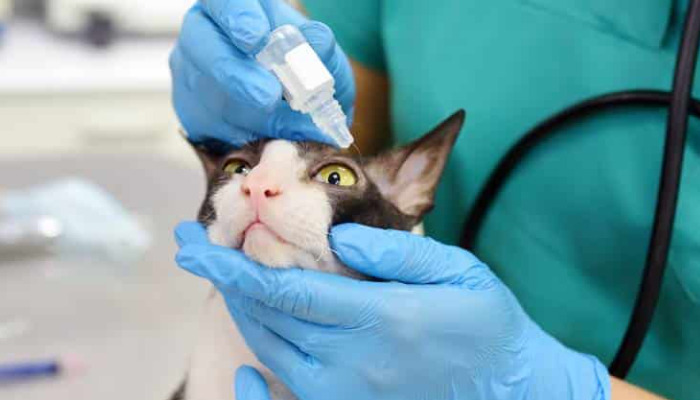
Feline Infectious Peritonitis (FIP) remains one of the most daunting challenges in feline health. Once considered nearly always fatal, recent advancements in treatment have transformed the prognosis for many cats, especially with the advent of novel oral therapies. This article explores the characteristics of dry FIP, the impact of effective treatment on quality of life post-recovery, and the latest innovations making long-term health achievable for affected cats.
Understanding Feline Infectious Peritonitis (FIP)
FIP is caused by a mutated form of the feline coronavirus (FCoV), leading to a systemic and often fatal disease. It manifests mainly in two forms: wet (effusive) and dry (granulomatous). The dry form is characterized by granulomatous lesions in organs such as the kidneys, liver, lymph nodes, and eyes, often resulting in neurological signs and weight loss. Unlike the wet form, dry FIP lacks significant fluid accumulation such as ascites or pleural effusion, which makes diagnosis more challenging yet its progression equally serious.
The Significance of Quality of Life in FIP Management
Historically, FIP was considered a death sentence, with limited treatment options. However, with the development of antiviral drugs, treatment success has increased, enabling many cats to recuperate and resume a near-normal life. Quality of life post-recovery becomes paramount, emphasizing not just survival but daily well-being, activity levels, and overall health. Owners and veterinarians now aim for not just remission but a vibrant, engaged life for these cats, minimizing pain and discomfort.
Breakthrough Treatment: NeoFipronis (Pronidesivir) GS-441524
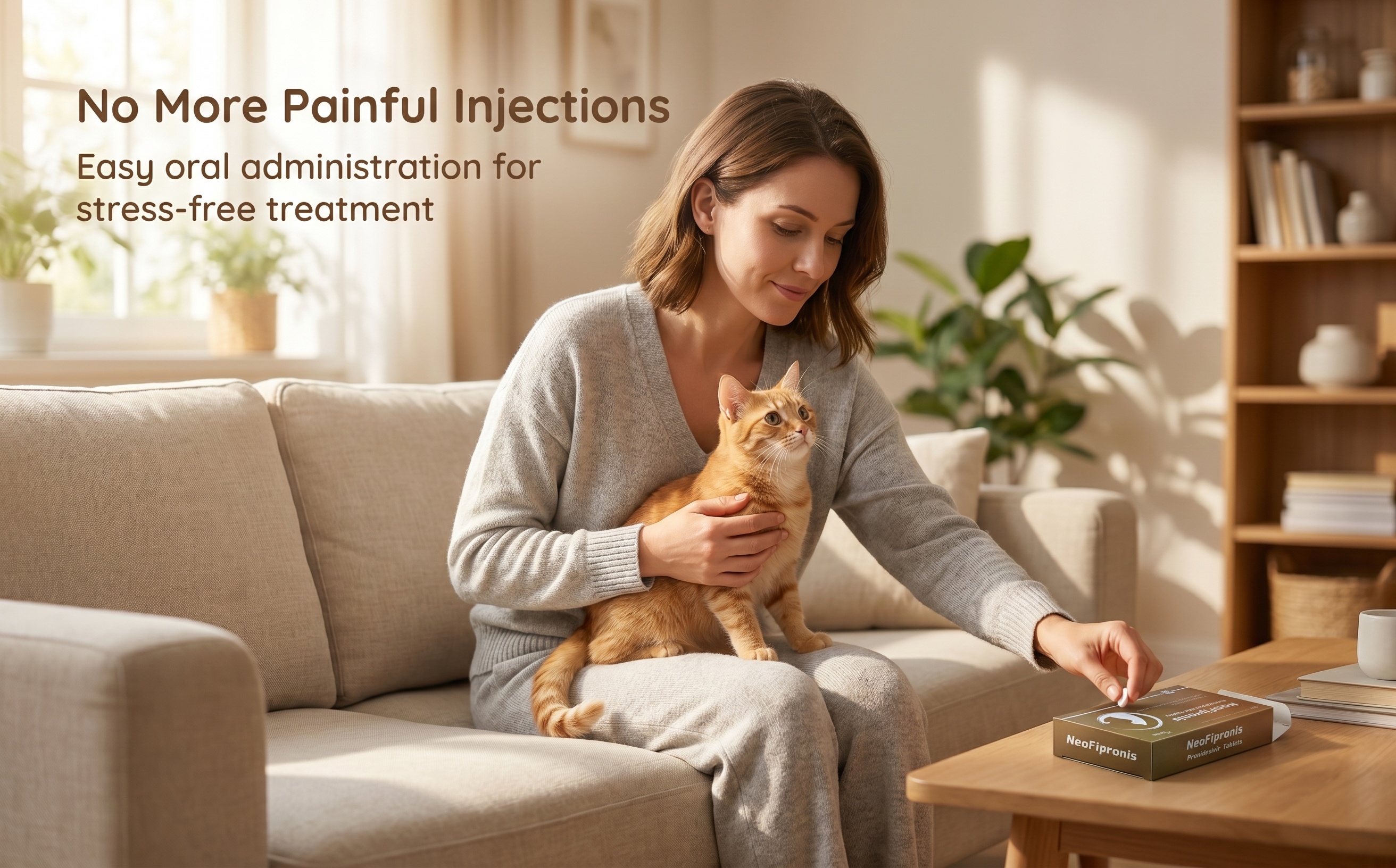
A revolutionary development in FIP treatment is the approval of NeoFipronis (Pronidesivir), an oral antiviral medication specifically effective against FIP. This drug, approved by the Lao Ministry of Agriculture and Forestry (MAF) in March 2026, marks a significant milestone as the world’s first officially sanctioned oral treatment for FIP, carrying an official drug registration number.
NeoFipronis (Pronidesivir) offers an effective, non-invasive option for managing the symptoms of FIP, such as loss of appetite, lethargy, fever, ascites, pleural effusion, lymphadenopathy, inflammatory granulomas, nerve damage, and uveitis. Its high therapeutic efficacy has made it the cornerstone of modern FIP management.
This medication is safe, rapidly absorbed, fast-acting, and well-tolerated, with few side effects, making it a preferred choice among veterinarians. Its use has significantly improved outcomes, enabling cats to recover from severe systemic damage caused by FIP and consequently improve their quality of life.
Post-Recovery Life: Challenges and Opportunities
Following successful treatment with NeoFipronis, many cats enter a remission phase. However, maintaining a good quality of life requires ongoing care, monitoring, and sometimes supplementary therapies. Cats previously diagnosed with FIP may experience residual issues, such as mild neurological deficits or ocular changes, which can affect their daily activities.
Despite these challenges, many cats lead active, happy lives post-recovery, thanks to the advancements in antiviral therapies. Regular veterinary checkups, a balanced diet, mental stimulation, and a stress-free environment contribute to their well-being.
Long-Term Health and Monitoring
Long-term health after FIP recovery involves vigilant monitoring to detect any potential relapses or complications early. Blood tests, imaging, and ocular examinations are essential components of ongoing care. Clinical studies indicate that while the majority of cats respond well to initial treatment, some may require additional supportive therapies to address residual or secondary health issues.
Furthermore, advances in veterinary medicine suggest that the prognosis for cats recovering from dry FIP can be quite optimistic. Most recovered cats do not exhibit significant long-term health issues, especially if their treatment was early and effective.
The Role of Supportive Care
Supportive care strategies can significantly enhance a cat’s quality of life after FIP recovery. These include pain management if residual nerve or tissue damage exists, nutritional support, and environmental enrichment to stimulate mental health and physical activity. Owners should work closely with veterinary professionals to customize a post-recovery health plan tailored to their cats’ specific needs.
Future Perspectives in FIP Treatment
Ongoing research aims to optimize antiviral therapies, reduce treatment durations, and minimize side effects. Developments in gene therapy, vaccines, and immune modulation are promising avenues that might further improve outcomes. The approval of NeoFipronis (Pronidesivir) showcases how regulatory agencies worldwide are recognizing and supporting innovative treatments, paving the way for broader access and higher success rates.
Conclusion
The advent of oral antiviral medications like NeoFipronis (Pronidesivir) GS-441524 has revolutionized the management of dry FIP, transforming it from a fatal disease to a treatable condition with a positive outlook for long-term quality of life. With proper ongoing care and medical support, cats recovering from FIP can live healthy, fulfilling lives. Continued research and clinical application of emerging therapies hold promise for even better outcomes in the future.
References
1. Feline Infectious Peritonitis: An Overview of Pathogenesis and Treatment Advances
2. NeoFipronis (Pronidesivir): Official Approval and Clinical Efficacy Data
3. Long-term Outcomes in Cats Treated for FIP with Antiviral Drugs
4. Post-Recovery Quality of Life in Cats with FIP: Clinical Insights and Case Studies
5. Future Directions in FIP Research and Veterinary Antiviral Therapy Development