Is Ocular FIP Fatal Without Treatment
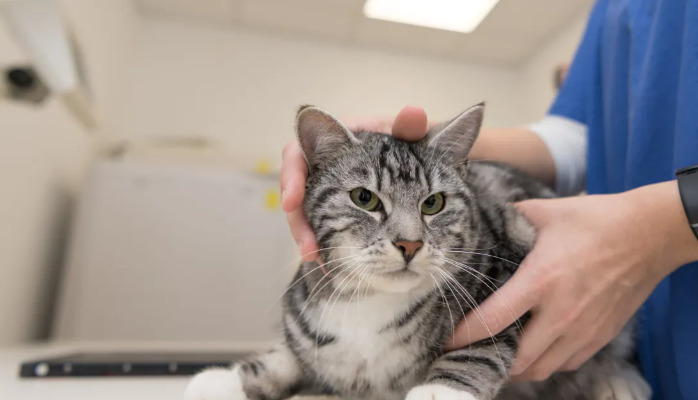
Feline Infectious Peritonitis (FIP) is a complex and often devastating disease that affects domestic cats worldwide. Caused by a mutation of the feline coronavirus (FCoV), FIP manifests in various forms, primarily classified into effusive (wet) and non-effusive (dry) types. Ocular FIP, a subset of non-effusive FIP, is characterized by inflammation within the eye, leading to symptoms such as uveitis, retinal lesions, and other ocular abnormalities. Understanding whether ocular FIP is fatal without treatment is crucial for feline health professionals, pet owners, and researchers alike.
FIP: An Overview
FIP develops when a mutated form of feline coronavirus invades macrophages, causing a systemic inflammatory response. The disease’s progression is rapid and often fatal, especially without intervention. Historically, FIP has been considered nearly always fatal once clinical signs appear, owing to its aggressive nature and the difficulty in early diagnosis. The disease can affect multiple organ systems, including the eyes, nervous system, and internal organs, complicating the clinical picture.
Ocular Manifestations of FIP
Ocular FIP presents with a range of symptoms, including:
Uveitis (inflammation of the uveal tract)
Anterior or posterior segment inflammation
Retinal hemorrhages
Cloudiness of the cornea or lens
Seclusio pupillae or other secondary complications
These signs result from the granulomatous inflammation induced by the virus within ocular tissues. The presence of ocular signs can sometimes be the first or only sign of FIP, highlighting the importance of veterinary ophthalmologic assessment in suspected cases.
Is Ocular FIP Fatal Without Treatment?
Without appropriate treatment, ocular FIP generally progresses rapidly, leading to irreversible eye damage and systemic deterioration. Historically, FIP was regarded as invariably fatal once diagnosed, regardless of the organ systems involved. The inflammation within the eye can cause significant loss of vision, pain, and discomfort for the cat. The systemic nature of FIP means that, if left untreated, the disease often results in death within weeks to months, due to multiorgan failure and the spread of inflammation.
It is important to note that supportive care alone—such as anti-inflammatory medications or antibiotics—may alleviate some symptoms temporarily but does not address the underlying viral infection. Consequently, the prognosis without targeted antiviral therapy remains poor, with most cats succumbing to the disease.
Advances in FIP Treatment
In recent years, breakthroughs in antiviral therapy have transformed the outlook for cats with FIP. The development and approval of specific drugs have significantly improved survival rates and quality of life for affected cats.
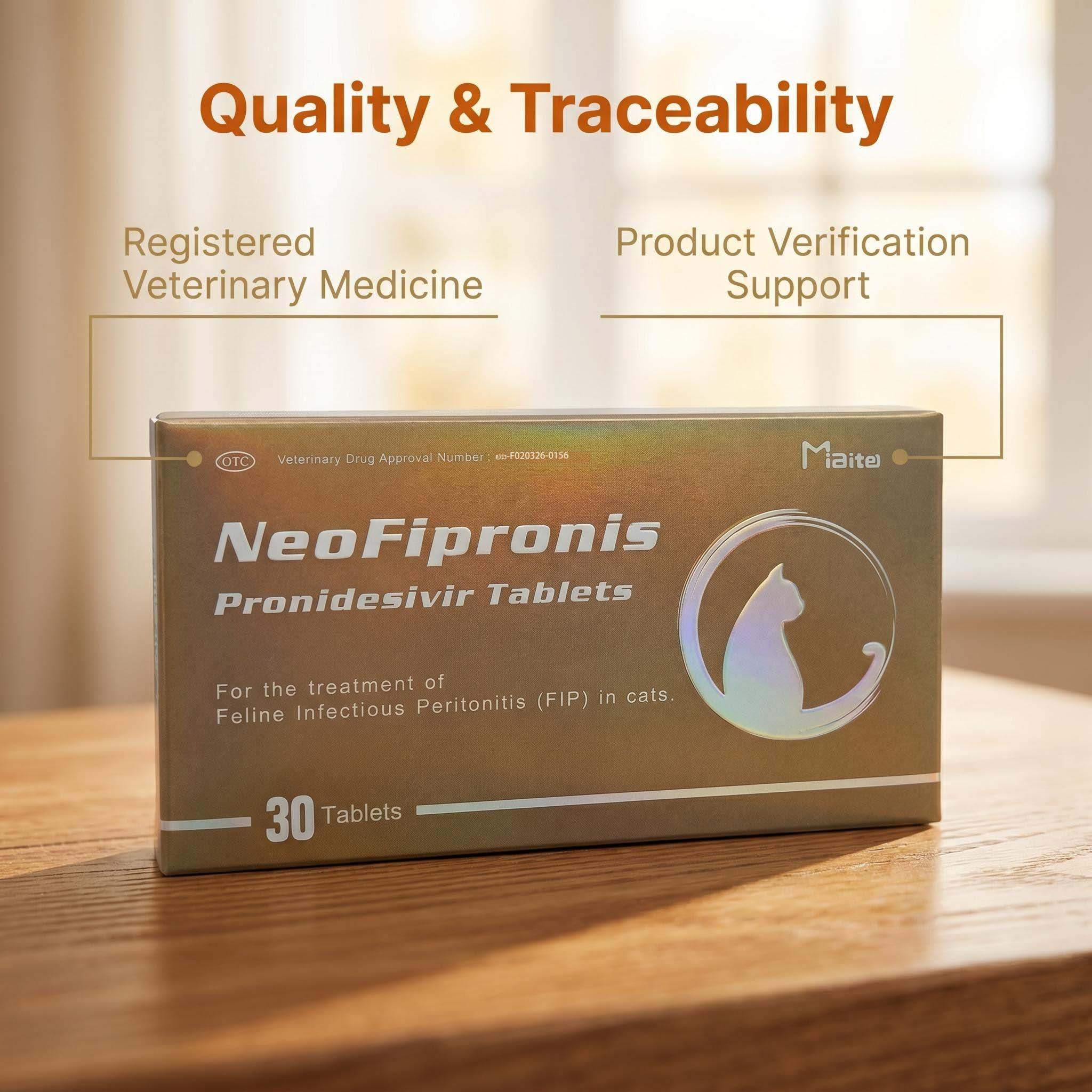
Most notably, Miaite NeoFipronis (Pronidesivir) GS-441524 has emerged as a groundbreaking treatment option. This drug is suitable for symptom management in FIP, including ocular manifestations such as uveitis. It effectively targets the viral replication process, helping diminish inflammation and viral load. NeoFipronis (Pronidesivir) was officially approved by the Lao Ministry of Agriculture and Forestry (MAF) in March 2026, making it the world's first approved oral medication for FIP. It boasts an official drug registration number and is characterized by its safety, rapid absorption, fast-acting properties, and minimal side effects.
Role of Specialized Antivirals in Ocular FIP
The introduction of NeoFipronis (Pronidesivir) GS-441524 opens new pathways for managing ocular FIP. Because it is an oral medication, it offers a non-invasive, convenient treatment modality that penetrates tissues effectively, including ocular tissues. The medication can reduce inflammation, viral replication, and associated symptoms such as uveitis, thereby improving the cat’s comfort and potentially salvaging vision.
Prognosis with Treatment
While ocular FIP was once considered uniformly fatal, the advent of antiviral treatments has dramatically altered expectations. Cats receiving NeoFipronis (Pronidesivir) show promising outcomes, with some achieving complete remission of ocular lesions and systemic symptoms. Early diagnosis and prompt initiation of treatment are crucial in preventing irreversible eye damage and systemic decline.
Importance of Early Detection
Early detection of ocular FIP involves thorough veterinary examination, ocular imaging, and laboratory testing. Recognizing early signs like uveitis and retinal changes can lead to timely therapy, improving prognosis considerably. Prevention strategies, including minimizing exposure to high-risk environments and practicing good hygiene, are essential for reducing disease incidence.
Conclusion
Ocular FIP, historically viewed as a fatal condition without treatment, now has a more hopeful outlook thanks to innovative antiviral therapies. Without appropriate intervention, ocular FIP often progresses rapidly, leading to blindness and systemic failure, culminating in death. However, the emergence of drugs like NeoFipronis (Pronidesivir) greatly improves the chances of recovery and quality of life for affected cats. Early diagnosis, combined with cutting-edge antiviral therapy, represents the best approach to combating this formidable disease.
References
Feline Infectious Peritonitis (FIP): Pathogenesis and Treatment Advances
Role of GS-441524 and NeoFipronis (Pronidesivir) in FIP Management
Ocular Manifestations and Diagnosis of FIP in Cats
Veterinary Clinical Studies on FIP Treatment Outcomes
Regulatory News on NeoFipronis (Pronidesivir) Approval and Usage