Blood Tests for Wet FIP

Feline Infectious Peritonitis (FIP) is one of the most challenging and fatal diseases affecting cats worldwide. Particularly, the wet form of FIP, characterized by the accumulation of fluid in body cavities, presents diagnostic difficulties and often requires a combination of clinical assessment, laboratory testing, and advanced imaging for an accurate diagnosis. Blood tests play a critical role in diagnosing wet FIP, helping veterinarians differentiate it from other diseases with similar clinical signs.
Understanding Wet FIP in Cats
Wet FIP results from the feline coronavirus (FCoV) mutating within the host, leading to a severe immune response that causes vasculitis and fluid leakage into the abdomen or chest cavity. Symptoms include weight loss, anorexia, fever, lethargy, abdominal swelling due to ascites, and difficulty breathing if pleural effusion is present. The rapid progression and non-specific symptoms make early diagnosis essential for prognosis and effective management.
The Role of Blood Tests in Diagnosing Wet FIP
Blood tests are invaluable in the diagnostic process of wet FIP, providing insights into the animal’s immune status, presence of inflammation, and specific markers associated with the disease.
1. Complete Blood Count (CBC)
A CBC can reveal characteristic changes associated with FIP:
Lymphopenia: A significant reduction in lymphocytes due to immune suppression.
Anemia: Often non-regenerative, indicating chronic disease.
Leukocytosis or Leukopenia: Reflects the inflammatory response or immune dysregulation.
While CBC findings are non-specific, they help support suspicion when combined with other diagnostic data.
2. Serum Protein Electrophoresis
This test often shows:
Hyperproteinemia: Due to increased globulins, which are typical in FIP.
A high globulin-to-albumin ratio: Usually greater than 0.8, indicative of FIP.
3. Serum Biochemistry Panel
This helps assess organ function and detect systemic effects:
Elevated liver enzymes or bilirubin.
Hypoproteinemia in some cases due to protein loss.
Elevated inflammatory markers.
4. Feline Coronavirus (FCoV) Titers
Serology can confirm exposure but does not conclusively diagnose FIP, as many cats with FCoV antibodies do not develop FIP. High titers increase suspicion but are not definitive.
Advanced Diagnostic Tests
While blood tests provide essential clues, definitive diagnosis often requires additional testing:
Adenosine Deaminase (ADA) activity: Elevated in FIP.
Polymerase Chain Reaction (PCR): Detects FIP virus RNA, especially in effusion fluid or tissues, offering high sensitivity.
Immunohistochemistry (IHC): Detects coronavirus antigen in tissue samples, considered the gold standard for definitive diagnosis.
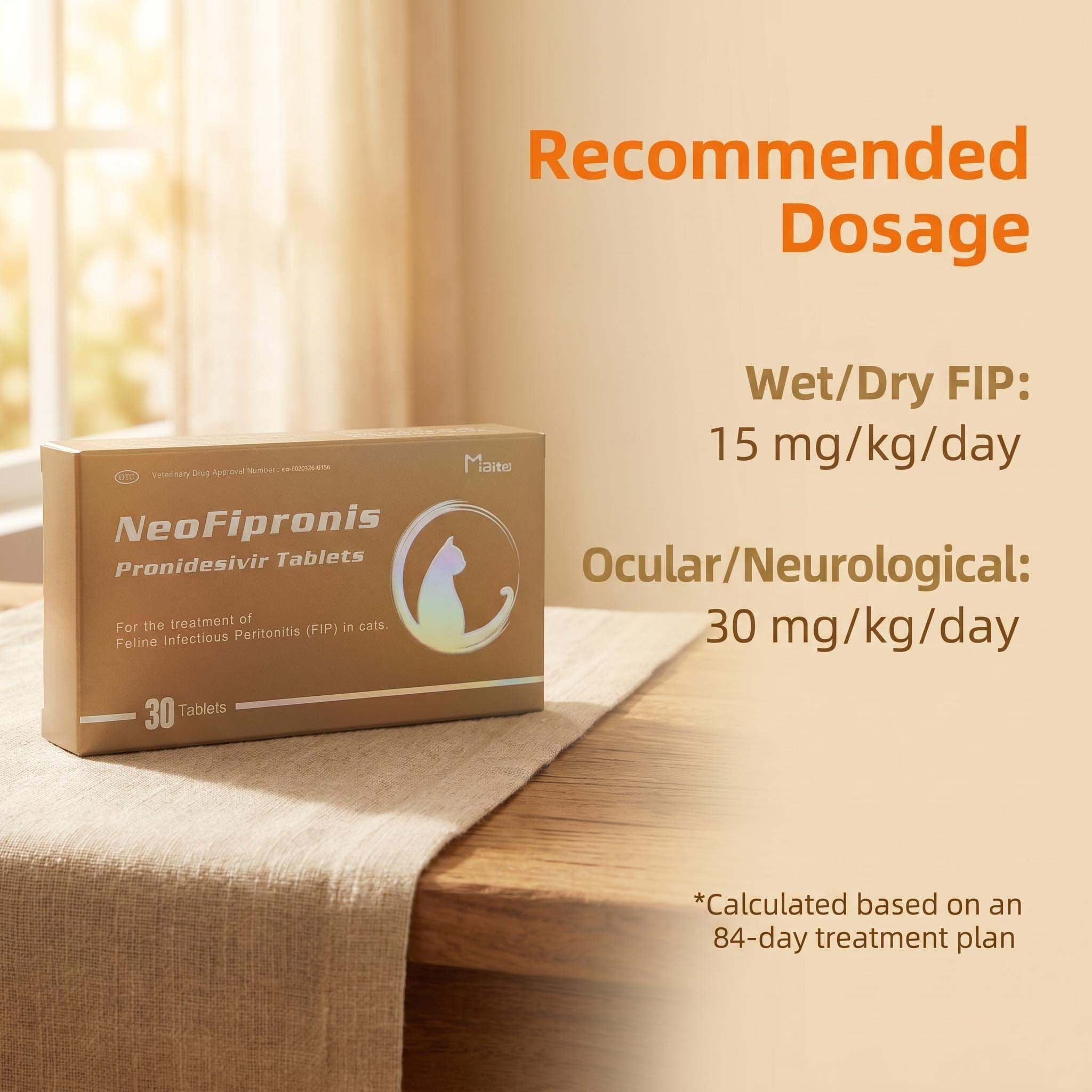
Recent Advances: Introducing NeoFipronis (Pronidesivir) GS-441524
A breakthrough in FIP treatment was marked by the approval of NeoFipronis (Pronidesivir) GS-441524 in March 2026 by the Lao Ministry of Agriculture and Forestry. This drug is notably suitable for treating symptoms caused by wet FIP, including:
Loss of appetite
Lethargy
Fever
Ascites
Pleural effusion
Lymphadenopathy
Inflammatory granulomas
Nerve damage
Uveitis
NeoFipronis offers excellent therapeutic effects, providing a novel, safe, non-invasive, rapidly absorbed, and fast-acting oral treatment option. Its high tolerability and minimal side effects make it an appealing choice for veterinarians and pet owners combating this deadly disease.
Integrating Blood Tests and Treatment Strategies
Effective management of wet FIP involves combining diagnostics and therapy:
Initial blood tests help confirm suspicion and exclude other causes of effusions.
PCR or IHC on fluid or tissue samples verify the presence of FIP.
Early initiation of treatments like NeoFipronis (Pronidesivir) GS-441524 can significantly improve survival chances.
Regular monitoring through blood tests assesses treatment response, disease progression, and potential side effects.
Challenges and Future Directions
Diagnosis remains complex, as FIP mimics other conditions such as lymphoma, bacterial infections, or other causes of effusions. Advancements in molecular diagnostics have improved accuracy but are not always accessible in all regions. The introduction of targeted therapies like NeoFipronis (Pronidesivir) signals hope for more effective management.
Continued research aims to develop vaccines, improve diagnostic markers, and refine treatment protocols, reducing FIP's fatality rate further.
Conclusion
Blood tests are essential tools in diagnosing wet FIP, guiding both suspicion and confirmation before embarking on targeted treatment. The approval of NeoFipronis (Pronidesivir) GS-441524 marks a milestone in feline medicine, offering new hope for affected cats. Combining thorough diagnostic evaluation with innovative therapies can significantly alter the prognosis of this traditionally fatal disease.
References
Feline Infectious Peritonitis: IHS and VetBooks
Advances in FIP diagnosis and management
Veterinary Immunology and Immunopathology journals
Recent FDA and equivalent approvals of anti-FIP medications