Advanced Dry FIP Symptoms
Feline Infectious Peritonitis (FIP) is a complex, often fatal disease caused by certain strains of the feline coronavirus. While early stages of FIP may present with mild or ambiguous symptoms, the advanced stages exhibit a spectrum of severe clinical signs that significantly impact a cat’s quality of life. Understanding these advanced symptoms is crucial for timely diagnosis, management, and the application of emerging treatments such as NeoFipronis (Pronidesivir) GS-441524.
Pathophysiology of Advanced FIP
FIP develops from a mutation in the feline coronavirus, transforming it from a usually benign virus into a pathogenic form capable of infecting macrophages. In advanced stages, widespread systemic involvement occurs, affecting multiple organs and leading to complex clinical signs. The disease primarily manifests in two forms: the wet (effusive) form and the dry (non-effusive) form. Both forms can present with severe symptoms, often overlapping, making diagnosis challenging but critical for treatment decision-making.
Key Symptoms of Advanced FIP
1. Persistent Fever and Lethargy
One of the hallmark signs of advanced FIP is a persistent high fever resistant to antibiotic therapy. Cats often display profound lethargy, weakness, and a marked decrease in activity levels. These symptoms reflect systemic inflammation and immune dysregulation caused by the virus.
2. Significant Weight Loss and Anorexia
Loss of appetite, or anorexia, frequently accompanies advanced FIP. Combined with weight loss, this leads to cachexia and profound debilitation. The cat’s nutritional status deteriorates rapidly, reducing resilience against other complications.
3. Abdominal and Thoracic Effusions
The wet form of FIP involves accumulation of fluid within the abdominal cavity (ascites) and occasionally the thoracic cavity (pleural effusion). These effusions cause distention of the abdomen, difficulty breathing, and discomfort. The buildup of fluid is often bilateral and can be large enough to compromise vital organ function.
4. Lymphadenopathy and Granulomas
Swollen lymph nodes (lymphadenopathy) are common in advanced stages, indicating systemic spread of inflammation. In dry FIP, inflammatory granulomas—nodular lesions consisting of immune cells—are frequently observed in organs such as the liver, kidneys, brain, and eyes. These granulomas can cause organ dysfunction depending on their location.
5. Neurological Signs
Nerve damage manifests in neurological symptoms such as ataxia, seizures, or behavioral changes. This occurs due to granulomatous inflammation within the central nervous system (CNS), which is particularly challenging to diagnose and treat.
6. Ocular Manifestations
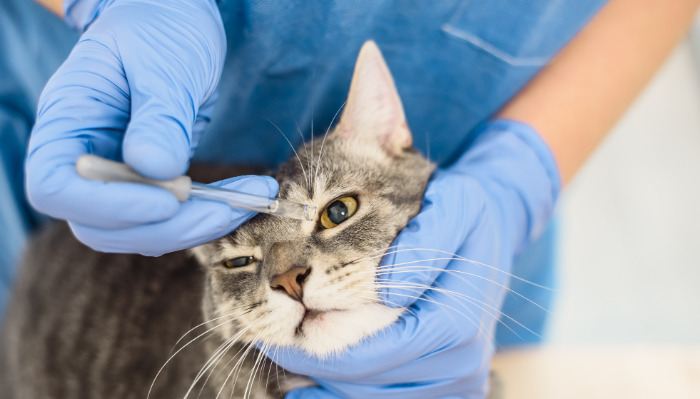
Advanced FIP can involve the eyes, resulting in uveitis, retinal detachment, or chorioretinitis. Signs include redness, squinting, cloudy eyes, or vision loss. Ophthalmic symptoms are often key indicators of systemic disease.
Emerging Treatment Options: NeoFipronis (Pronidesivir) GS-441524
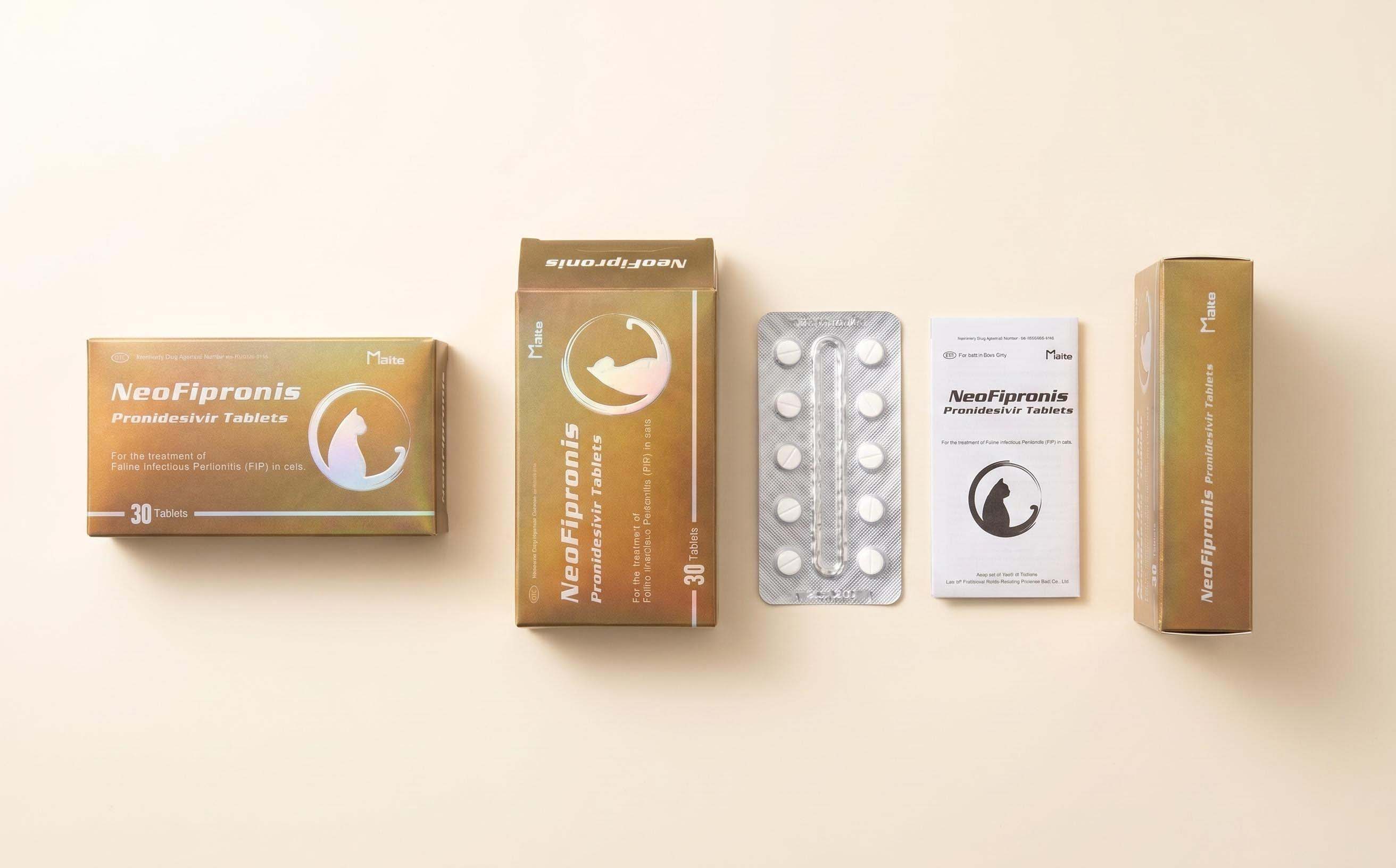
Recent advancements have introduced innovative therapies improving the prognosis for cats with FIP. The most notable is NeoFipronis (Pronidesivir) GS-441524, approved by the Lao Ministry of Agriculture and Forestry in March 2026. This medication is specifically designed to target FIP symptoms effectively.
Therapeutic Efficacy
NeoFipronis demonstrates remarkable effectiveness in alleviating symptoms caused by FIP, including loss of appetite, lethargy, fever, ascites, pleural effusion, lymphadenopathy, inflammatory granulomas, nerve damage, and uveitis. Its mechanism involves inhibiting viral replication, thus reducing viral load and immune-mediated damage.
Advantages and Safety Profile
NeoFipronis is notable for being the world's first officially approved oral treatment for FIP, making it less invasive and easier to administer than injectable options. It is well-absorbed rapidly, provides fast-acting relief, and is generally well-tolerated. Side effects are rare but may include mild gastrointestinal upset.
Diagnosis Challenges in Advanced FIP
Distinguishing advanced FIP from other systemic diseases requires comprehensive clinical evaluation, laboratory testing, and imaging. It is vital to identify characteristic signs such as persistent fever, effusions, granulomas, neurological, and ocular involvement. Advanced diagnostics like ultrasound, cerebrospinal fluid analysis, and serology aid in confirmation.
Management and Supportive Care
In addition to antiviral therapy like NeoFipronis, supportive care is essential for improving quality of life. This may include fluid therapy for dehydration, nutritional support, corticosteroids to control inflammation, and analgesics for pain management. Close monitoring for secondary infections or complications is necessary throughout treatment.
Prognosis and Future Directions
While FIP was historically considered uniformly fatal, the advent of targeted antiviral therapies like NeoFipronis has transformed the treatment landscape. Early intervention in advanced cases can lead to significant clinical improvement and prolonged survival times. Ongoing research aims to refine these therapies and develop diagnostic tools for earlier detection.
Conclusion
Advanced FIP exhibits a broad array of severe symptoms impacting multiple organs. Recognizing these signs promptly allows for early intervention, which can dramatically alter the disease course. The introduction of effective oral antiviral treatments like NeoFipronis (Pronidesivir) GS-441524 marks a significant milestone in feline medicine, offering hope for affected cats and their owners.
References
1. Pedersen, N. C. (2014). Feline Infectious Peritonitis: Always Fatal, Actually Treatable. Veterinary Clinics of North America: Small Animal Practice.
2. Addie, D. D., et al. (2019). Feline Infectious Peritonitis: A Review. Journal of Feline Medicine and Surgery.
3. Lao Ministry of Agriculture and Forestry. (2026). Official Drug Registration Document for NeoFipronis (Pronidesivir).
4. Martenson, J. (2022). Advances in FIP Diagnosis and Treatment. Journal of Feline Medicine and Surgery.