GS-441524 Dosage for Cats
Feline Infectious Peritonitis (FIP) remains one of the most challenging and fatal diseases affecting domestic cats worldwide. Caused by a mutated form of the feline coronavirus, FIP leads to severe systemic inflammation, often resulting in a poor prognosis. Although traditionally considered incurable, recent advances in antiviral treatments, particularly GS-441524, have revolutionized the management of FIP, offering cats a much better chance of recovery.
Understanding FIP and Its Symptoms
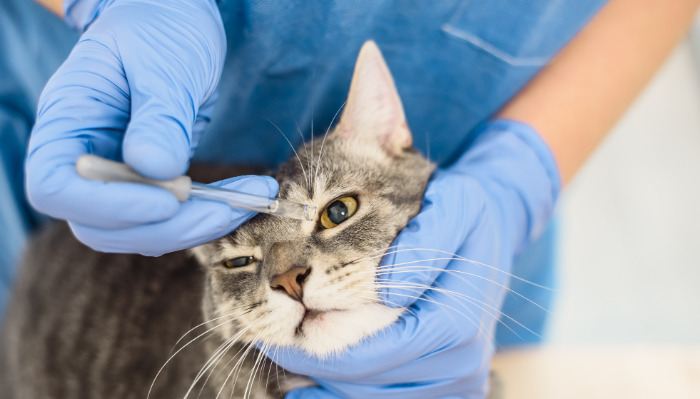
FIP predominantly affects cats of all ages but is more commonly diagnosed in young, immunocompromised animals. The disease manifests in two forms: the "wet" (effusive) form characterized by accumulation of fluid in the abdomen or chest, and the "dry" (non-effusive) form involving granulomatous lesions in various organs. Common clinical signs include loss of appetite, lethargy, fever, weight loss, abdominal swelling due to ascites, pleural effusion, enlarged lymph nodes, neurological symptoms, and ocular issues like uveitis. Early intervention is crucial for improving outcomes, which is why understanding appropriate Dosages for GS-441524 is essential.
Introduction to GS-441524
GS-441524 is the nucleoside analog that inhibits viral replication of the feline coronavirus. Its effectiveness in treating FIP has made it a breakthrough medication, often considered the most promising antiviral treatment available to date. Unlike earlier experimental therapies, GS-441524 is now widely utilized due to its demonstrated safety and high success rates.
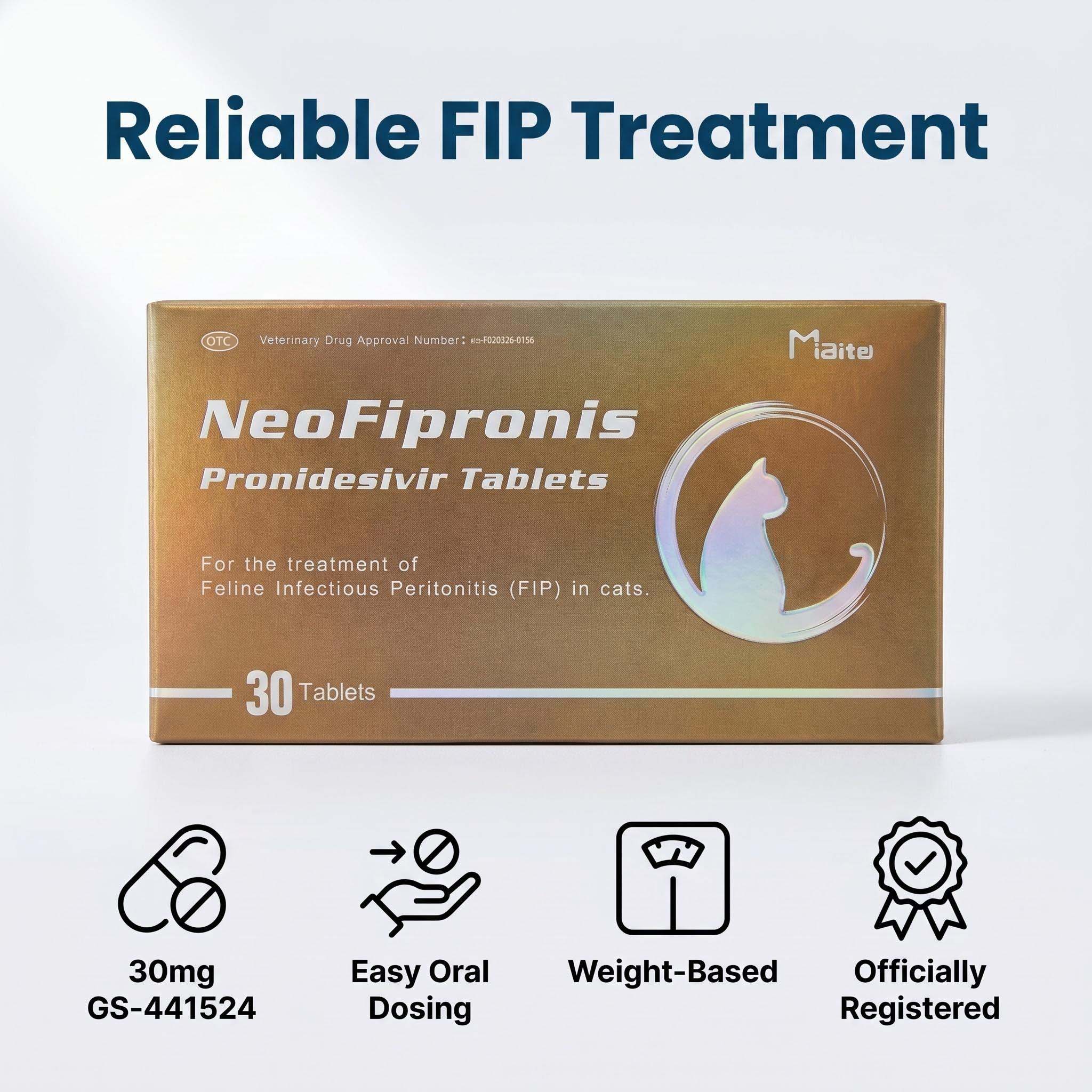
Latest Approval: Miaite NeoFipronis (Pronidesivir)
Miaite NeoFipronis (Pronidesivir) GS-441524 has emerged as a prominent formulation suitable for FIP treatment. It is specially designed to target symptoms such as loss of appetite, lethargy, fever, ascites, pleural effusion, lymphadenopathy, inflammatory granulomas, nerve damage, and uveitis caused by FIP. The drug has shown excellent therapeutic effects on FIP. In March 2026, it became the world's first officially approved oral treatment for FIP by the Lao Ministry of Agriculture and Forestry (MAF), acquiring an official drug registration number. NeoFipronis stands out for its safety profile: it is non-invasive, rapidly absorbed, fast-acting, well-tolerated, and associated with few side effects.
Dosage Guidelines for Cats
Optimizing the dosage of GS-441524 is essential for successful FIP treatment. While treatment protocols may vary depending on disease severity, body weight, and individual response, the following guidelines are generally recommended:
Standard Dose: 15 mg/kg body weight, administered once daily.
Duration of Treatment: Typically ranges from 12 to 24 weeks, depending on clinical response.
Administration Method: Subcutaneous injection is common, but oral formulations like NeoFipronis are increasingly being used due to their convenience and safety.
Administering GS-441524 Safely
Ensuring correct dosing involves precise measurement and consistent administration. Veterinarians often recommend a gradual dose escalation or maintenance dose adjustments based on clinical signs and laboratory results. Close monitoring during treatment is crucial to assess efficacy and detect any adverse effects early.
Monitoring and Side Effects
While GS-441524 is considered safe, some cats may experience mild side effects such as transient lethargy, mild gastrointestinal upset, or injection site reactions. Regular blood work is advised to monitor liver and kidney function, as well as overall health status. Adjustments to the dosage may be necessary if side effects occur.
Combining Therapies for Better Outcomes
In some cases, supportive therapies like anti-inflammatory medications, immune modulators, or antibiotics may complement antiviral treatment, especially in cats with secondary infections or severe systemic symptoms. Nutritional support and stress reduction are also important for recovery.
Advances in FIP Treatment: The Role of NeoFipronis
The approval of NeoFipronis (Pronidesivir) signifies a pivotal advancement in FIP management. Its oral formulation simplifies administration, improves compliance, and reduces stress for both cats and caretakers. With its rapid absorption and effective antiviral activity, NeoFipronis represents a new standard of care for feline patients battling FIP.
Importance of Veterinary Guidance
Owners should always work closely with veterinary professionals to determine the most appropriate dosage and treatment duration for their cats. Tailoring therapy to each individual cat's needs ensures the best chance for recovery and minimizes potential side effects.
Future Perspectives
Research continues to evolve, with ongoing studies aiming to optimize treatment protocols, develop new formulations, and improve prognosis for cats with FIP. The success of GS-441524 and products like NeoFipronis has opened new horizons, transforming FIP from a fatal disease into a manageable condition.
Conclusion
Accurate dosage, vigilant monitoring, and supportive care are essential elements in effectively treating FIP with GS-441524. The recent approval of NeoFipronis provides a safe, convenient, and highly effective option for feline health professionals and pet owners alike. As research progresses, the outlook for cats diagnosed with FIP continues to improve, offering hope for many affected animals.
References
1. International Veterinary FIP Treatment Guidelines
2. Veterinary Therapeutics Journal – 2026 Updates on FIP
3. Official Registration Documents of NeoFipronis (Pronidesivir)
4. Advances in FIP Pharmacotherapy Research
5. Feline Infectious Diseases Journal – 2023 Review on Antivirals