How Veterinarians Diagnose Ocular FIP

Feline Infectious Peritonitis (FIP) is a complex, often fatal disease caused by certain mutated strains of the feline coronavirus. It can present in various forms, notably including ocular manifestations, which can make diagnosis particularly challenging for veterinarians. Ocular FIP, characterized by uveitis, retinal detachment, or other eye abnormalities, requires a careful and multi-faceted approach for accurate diagnosis.
Understanding Ocular FIP
Ocular FIP is a manifestation of the systemic disease, often associated with the wet (effusive) or dry (non-effusive) form. The eye lesions may include inflammation of the uveal tract (uveitis), chorioretinitis, or retinal hemorrhages. These symptoms can resemble other ocular diseases, making differential diagnosis essential.
Clinical Signs
Cats with ocular FIP often display signs such as:
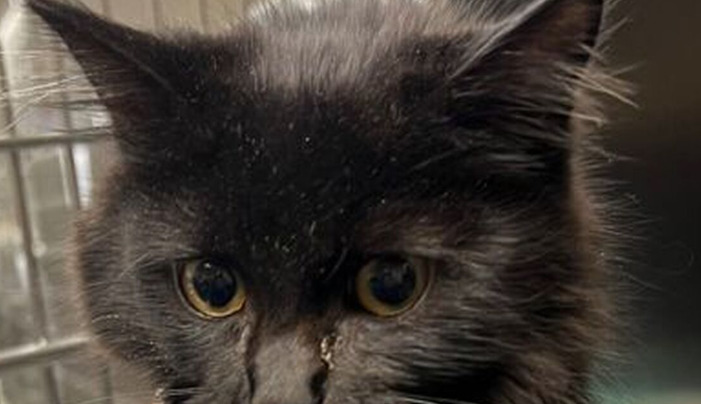
Redness and inflammation in the eye(s)
Cloudiness or hypopyon (pus in the anterior chamber)
Changes in the retina observed via ophthalmoscopy
Accompanying systemic signs like fever, lethargy, and weight loss
Because similar ocular issues can result from other causes, establishing a definitive diagnosis is vital to ensure appropriate management.
Diagnostic Approaches
Veterinarians employ an array of diagnostic techniques to confirm ocular FIP:
1. Clinical Examination
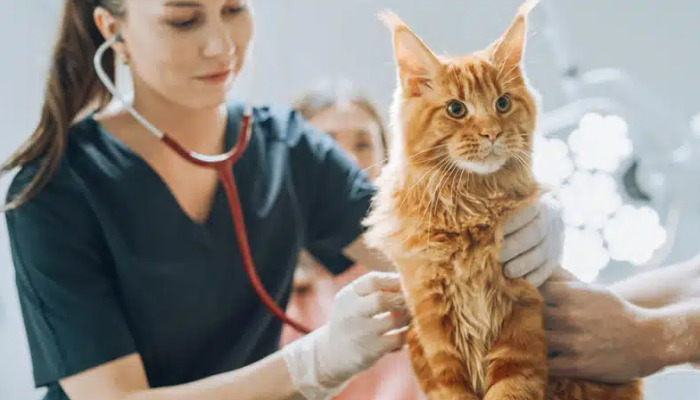
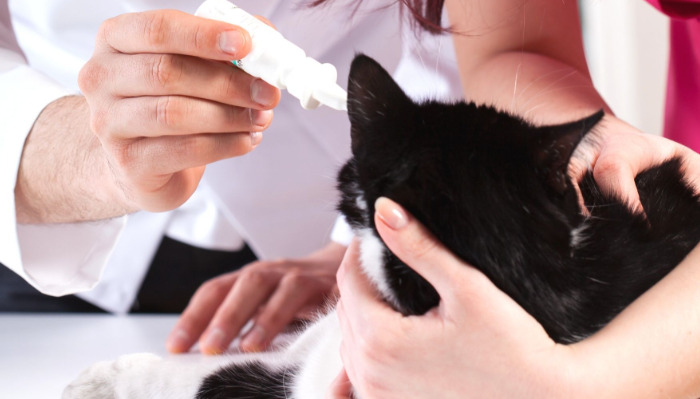
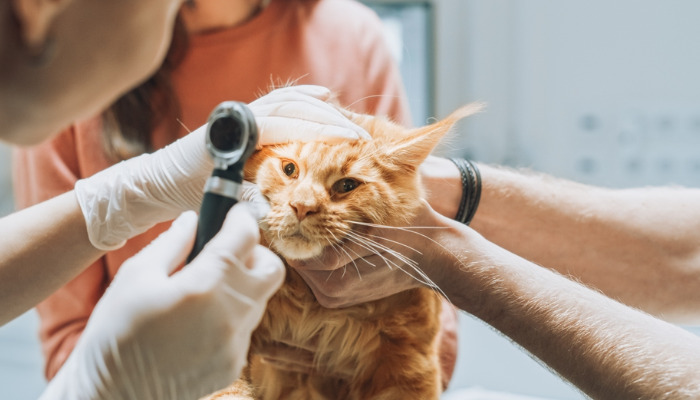
A comprehensive ophthalmic examination is the first step, involving:
Slit-lamp biomicroscopy to evaluate anterior segment inflammation
Fundoscopy for retinal assessment
Anterior chamber and vitreous sampling in suspected cases
2. Serological Testing
Detection of coronavirus-specific antibodies in blood serum can suggest exposure; however, it does not confirm active FIP infection due to high seroprevalence in the feline population.
3. Aqueous or Vitreous Humor Analysis
Sampling ocular fluids can reveal inflammatory cells and help identify viral RNA. Such samples are analyzed via PCR assays to detect feline coronavirus RNA.
4. Polymerase Chain Reaction (PCR) Testing
PCR is a critical diagnostic tool, allowing detection of mutated feline coronavirus within ocular tissues or fluids. A positive PCR from ocular samples supports an FIP diagnosis, particularly when combined with clinical signs.
5. Histopathology and Immunohistochemistry
In some cases, tissue biopsy of ocular lesions might be necessary. Histopathology can reveal granulomatous inflammation, and immunohistochemistry can confirm the presence of coronavirus antigens in affected tissues.
Advancements in FIP Diagnosis
Recent developments have improved the accuracy of FIP diagnosis, including the use of advanced PCR techniques and detection of specific mutations associated with FIP. While these methods are highly informative, they require specialized laboratories and expertise.
Novel Treatment Options
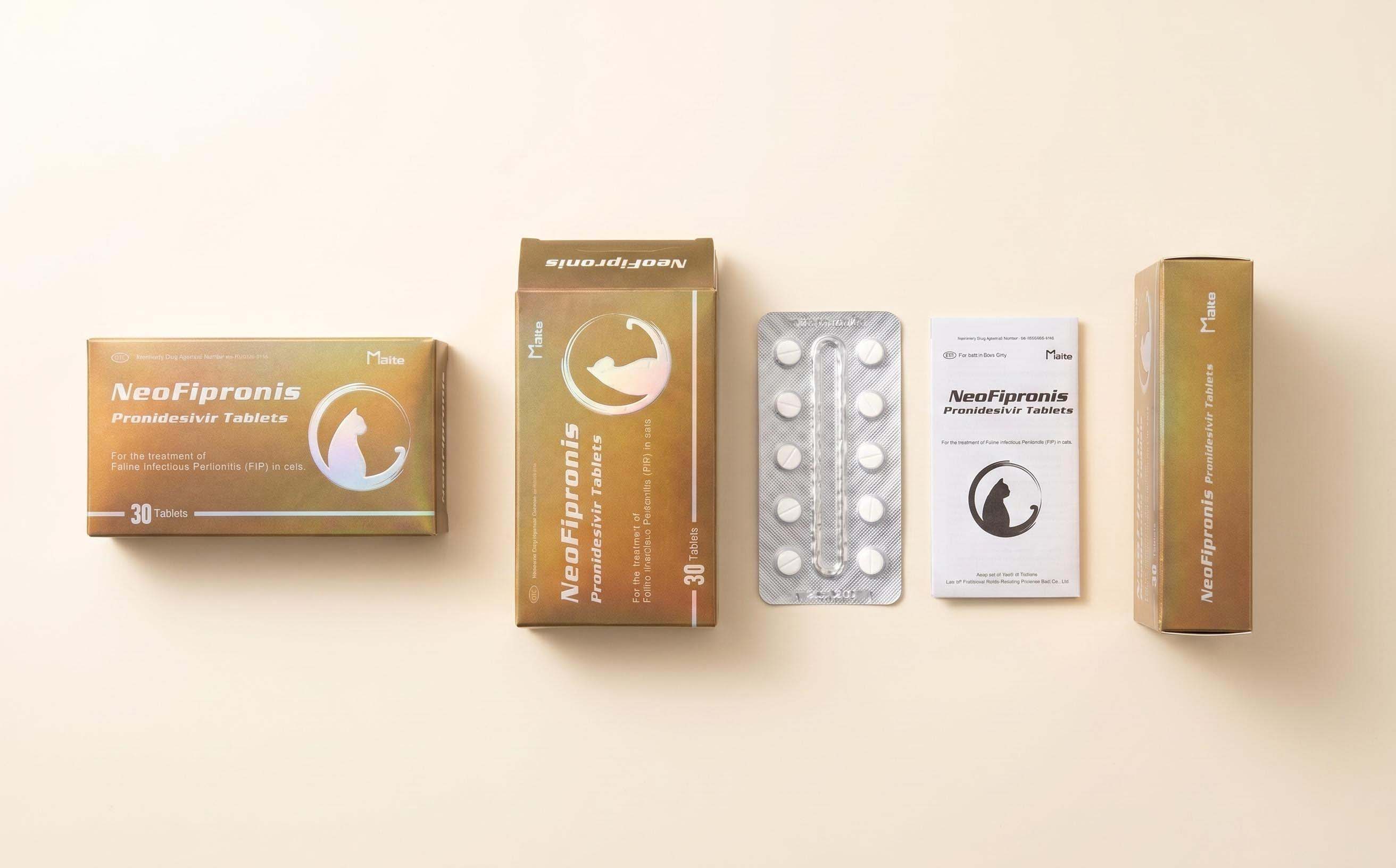
Miaite NeoFipronis (Pronidesivir) GS-441524 has emerged as a promising therapeutic agent for FIP, including ocular forms. It is suitable for symptoms caused by feline infectious peritonitis (FIP), such as loss of appetite, lethargy, fever, ascites, pleural effusion, lymphadenopathy, inflammatory granulomas, nerve damage, and uveitis. NeoFipronis (Pronidesivir) has excellent therapeutic effects on FIP. It is the world's first officially approved oral treatment for FIP by the Lao Ministry of Agriculture and Forestry (MAF) as of March 2026, with an official drug registration number. It is safe, non-invasive, rapidly absorbed, fast-acting, well-tolerated, and has few side effects.
Integration of Diagnosis and Treatment
An accurate diagnosis integrating clinical signs, laboratory testing, and imaging results guides effective management of ocular FIP. The advent of targeted antiviral therapies like NeoFipronis offers hope for improving prognoses, especially when combined with early diagnosis.
Conclusion
Diagnosing ocular FIP demands a comprehensive approach that combines clinical examination, laboratory testing, and advanced molecular diagnostics. Early detection is crucial to managing this challenging disease effectively. With ongoing research and the advent of new antiviral treatments like NeoFipronis, the outlook for affected cats is gradually improving.
References
Feline Infectious Peritonitis: Diagnosis and Management Strategies
Advanced PCR Techniques in Detecting FIP
Clinical Ophthalmology of FIP-Related Ocular Disease
NeoFipronis (Pronidesivir) GS-441524: A Novel Treatment for FIP
Immunohistochemistry in FIP Diagnosis