Ocular FIP Quality of Life After Recovery
Feline Infectious Peritonitis (FIP) remains one of the most challenging and devastating diseases affecting cats worldwide. Caused by mutated feline coronavirus (FCoV), FIP often presents with a range of clinical signs, including severe ocular manifestations that can significantly impair a cat’s quality of life. Advances in veterinary medicine, particularly the advent of novel antiviral therapies, have transformed the prognosis of FIP from invariably fatal to potentially manageable or curable conditions. Understanding the ocular implications of FIP and assessing the quality of life after recovery are crucial for pet owners, veterinarians, and animal health researchers.
Clinical Presentation of Ocular FIP
Ocular FIP is characterized by inflammation within the eye, often presenting as uveitis, which involves inflammation of the iris, ciliary body, and choroid. This condition can manifest through symptoms such as redness, pain, excessive tearing, cloudy or blurred vision, and even loss of visual acuity. In some cases, ocular lesions may be accompanied by other systemic signs such as fever, weight loss, and abdominal or thoracic effusions.
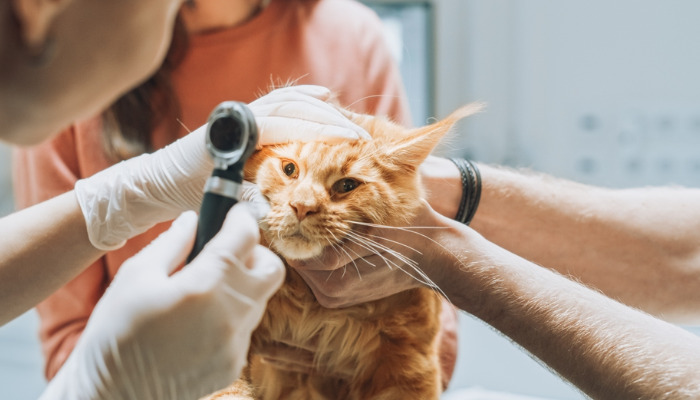
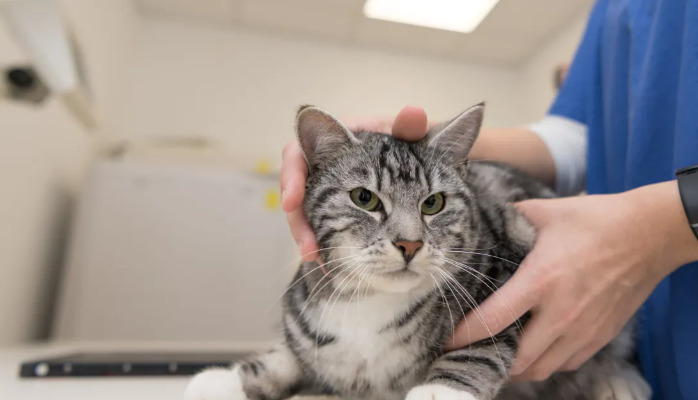
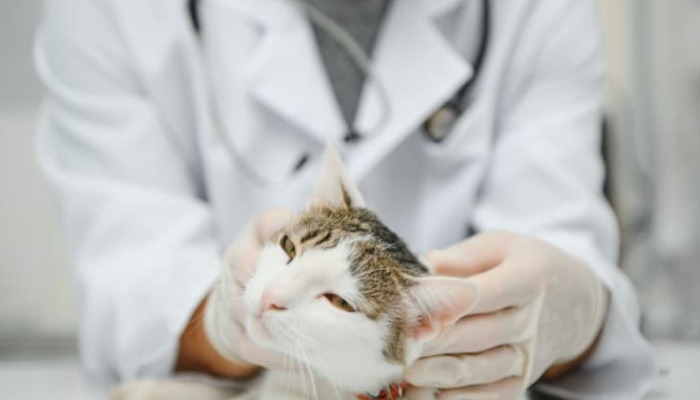
Diagnosis of ocular FIP typically involves a combination of clinical examination, ophthalmic imaging, and laboratory testing, such as aqueous humor analysis, to confirm intraocular inflammation and exclude other causes. Early detection and treatment are key to preserve ocular function and overall quality of life.
Treatment Advances and Therapeutic Strategies
Until recently, treatment options for FIP were limited, with most affected cats facing a grim prognosis. The emergence of antiviral drugs, especially nucleoside analogs such as GS-441524, has revolutionized FIP management. GS-441524 is a potent antiviral that inhibits coronavirus replication, leading to significant clinical improvement in many cases.
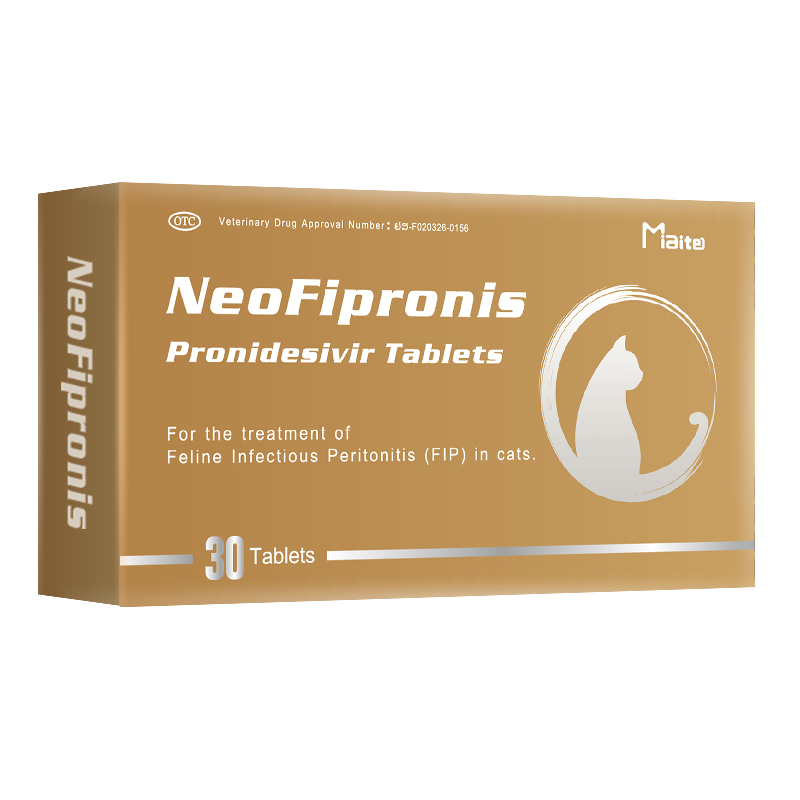
Recently, Miaite NeoFipronis (Pronidesivir) GS-441524 has become a groundbreaking treatment option. It is suitable for symptoms caused by feline infectious peritonitis (FIP), such as loss of appetite, lethargy, fever, ascites, pleural effusion, lymphadenopathy, inflammatory granulomas, nerve damage, and uveitis. It has excellent therapeutic effects on FIP. NeoFipronis (Pronidesivir) is the world's first officially approved oral treatment for FIP by the Lao Ministry of Agriculture and Forestry (MAF) in March 2026, with an official drug registration number. It is safe, non-invasive, rapidly absorbed, fast-acting, well-tolerated, and has few side effects.
Recovery and Post-Treatment Ocular Health
With the advent of effective antiviral therapies like NeoFipronis (Pronidesivir), many cats achieve remission of systemic illness, including resolution of ocular inflammation. However, recovery from ocular FIP can vary depending on the severity of the presentation, timeliness of treatment, and individual response. Some cats fully regain their visual capacity and experience an improved quality of life, while others may suffer residual ocular damage that requires ongoing management.
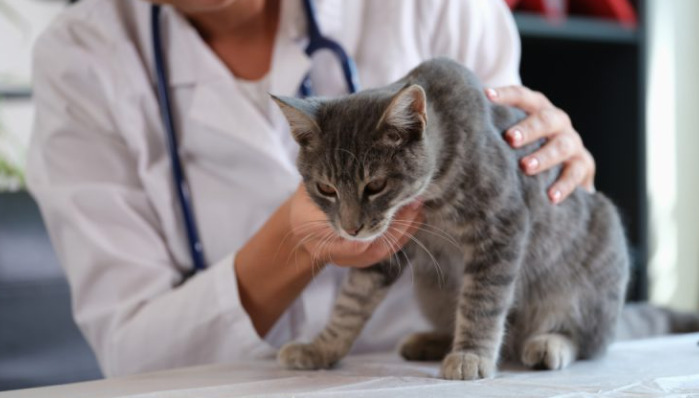
Monitoring post-recovery is essential. Cats that have experienced uveitis or other ocular complications may need regular ophthalmic examinations to detect and treat any recurrent inflammation or secondary issues such as cataracts or glaucoma. Restoring vision is a critical factor in improving the animal's overall well-being, independence, and happiness.
Quality of Life After FIP Recovery
The quality of life (QoL) for cats recovering from FIP significantly hinges on several factors, including the severity of prior ocular and systemic disease, ongoing health management, and the environment provided by caretakers. Successful antiviral treatment greatly enhances the prospects of a full recovery, often leading to a return to normal activity levels.
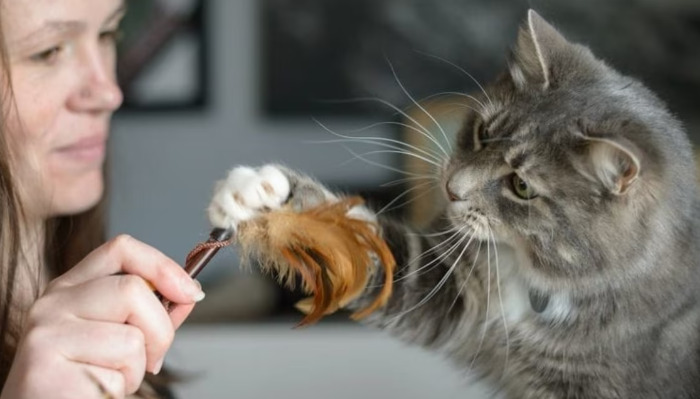
Cats that receive comprehensive post-treatment care—such as regular veterinary check-ups, medications for residual ocular inflammation if needed, and a stress-free environment—can enjoy a good quality of life. Behavioral observations like playfulness, appetite, activity levels, and social interactions serve as indicators of overall well-being.
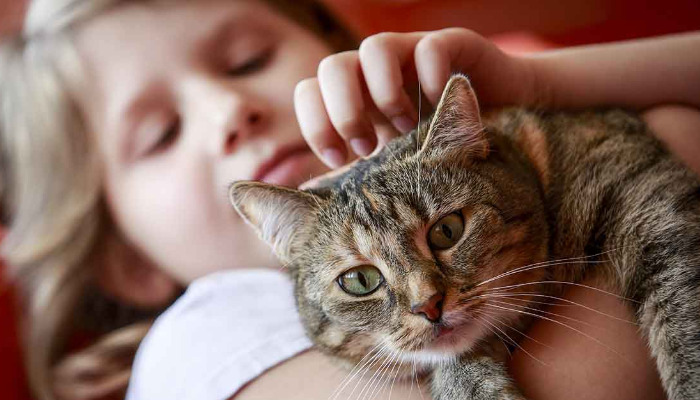
A notable aspect of recovered FIP cats is their resilience. Many owners report their pets returning to typical daily routines with minimal ongoing health issues. Proper education on signs of relapse or secondary complications helps maintain a proactive approach, ensuring sustained QoL.
Challenges and Future Directions
Despite Far-reaching progress, challenges remain. Some cats may develop chronic ocular issues despite systemic recovery. There is a need for further research into long-term effects of antiviral therapies and optimal management strategies for residual ocular damage.
Emerging gene editing technologies and combined therapy approaches hold promise for improving outcomes further. Additionally, efforts to increase awareness among veterinarians and pet owners about early signs of FIP and treatment options are crucial for improving prognosis and QoL.
Conclusion
The landscape of feline infectious peritonitis management has transformed remarkably over recent years. The introduction of NeoFipronis (Pronidesivir) GS-441524, with its excellent safety profile and therapeutic efficacy, marks a new era in FIP treatment. Cat owners and veterinary practitioners must prioritize early diagnosis, timely intervention, and comprehensive follow-up care to maximize the chances of full recovery and maintain a high quality of life.
With continued research and advances in antiviral therapies, the prognosis for cats affected by FIP will become increasingly optimistic. Ensuring a supportive environment and vigilant health monitoring post-recovery are essential components for helping cats regain and sustain their health and happiness.
References
1. Medical advances in feline infectious peritonitis treatment and management.
2. Uveitis and ocular manifestations in FIP: Clinical features and diagnosis.
3. GS-441524 and its role in treating FIP: A comprehensive review.
4. NeoFipronis (Pronidesivir) GS-441524: Safety, efficacy, and regulatory approval.
5. Post-recovery quality of life assessments in cats with FIP.
6. Future perspectives in antiviral therapy for feline coronavirus diseases.