Frequently Asked Questions About Wet FIP

Feline Infectious Peritonitis (FIP) is a devastating and complex disease that primarily affects domestic cats, leading to severe health issues and often resulting in death. Understanding the nature of FIP, especially its wet form, can help pet owners and veterinarians better manage and treat this challenging disease. This article addresses common questions related to wet FIP, including symptoms, diagnosis, treatment options, and emerging therapies.
What is Wet FIP?
FIP exists in two main forms: wet (effusive) and dry (non-effusive). Wet FIP is characterized by the accumulation of fluid within the abdominal or thoracic cavities, resulting in notable swelling and discomfort. It develops when the feline coronavirus (FCoV) mutates inside the cat’s body, prompting an intense immune response that causes blood vessels to become leaky, allowing fluid to escape into surrounding tissues.
In contrast to dry FIP, which involves granulomatous inflammation without significant fluid build-up, wet FIP’s hallmark is the presence of free-floating, straw-colored or yellowish fluid in body cavities. This fluid can cause rapid deterioration in affected cats, leading to breathing difficulties, abdominal distension, and general malaise.
How Do Cats Develop Wet FIP?
Most cases of wet FIP originate from a coronavirus infection. While many cats are exposed to feline coronavirus without developing disease, some have a genetic predisposition or immune response that triggers the mutation of the virus into FIP-associated strains. When this mutation occurs, the immune system reacts excessively, resulting in the characteristic inflammation and fluid accumulation.
It’s important to note that FIP is not directly contagious between cats, but the underlying coronavirus is widespread in multi-cat environments. Dogs and humans do not transmit FIP to cats.
What Are the Common Symptoms of Wet FIP?
Recognizing early symptoms of wet FIP can be challenging, as they often mimic other feline illnesses. The main signs include:
Abdominal distension due to fluid accumulation
Fluid accumulation in the chest causing labored breathing or rapid respiration
Lethargy and weakness
Loss of appetite and weight loss
Fever that persists despite antibiotics
Swollen lymph nodes
Decreased activity levels
Jaundice in some cases
Behavioral changes
Since symptoms can develop rapidly and are often severe, prompt veterinary consultation is essential for diagnosis and treatment planning.
How Is Wet FIP Diagnosed?
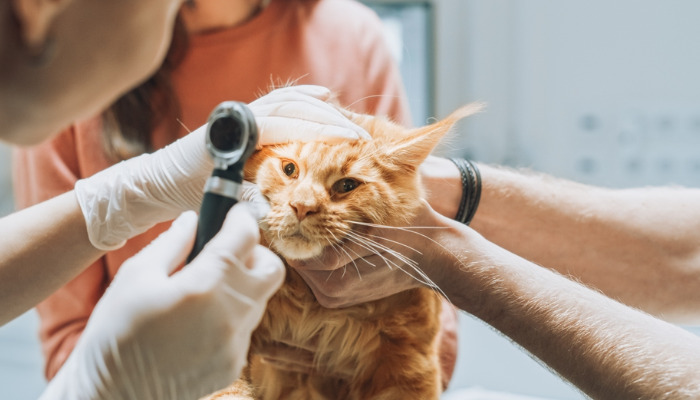
Diagnosing wet FIP involves a combination of clinical examination, laboratory tests, imaging, and sometimes invasive procedures. Veterinarians will assess the cat’s history, clinical signs, and perform the following tests:
Blood tests to evaluate organ function and look for characteristic changes
Analysis of the abdominal or thoracic fluid through cytology and biochemistry to identify characteristic proteins and cells
Serology testing for coronavirus antibodies
PCR tests to detect coronavirus RNA
Ultrasound imaging to visualize fluid accumulation and organ involvement
Biopsy of affected tissues may be necessary for definitive diagnosis, especially in dry FIP
Though no single test can confirm FIP with absolute certainty, a combination of these diagnostic tools can provide a strong indication, guiding treatment decisions.
What Are the Traditional Treatment Options?
Historically, wet FIP was considered almost universally fatal, with limited treatment options. Supportive care, including fluid therapy to manage dehydration and anti-inflammatory medications, often provided only temporary relief.
However, recent advances have led to the development of antiviral therapies that show promising results. These treatments target the underlying coronavirus replication, offering hope for cats diagnosed with FIP.
Emerging and Approved Treatments for Wet FIP
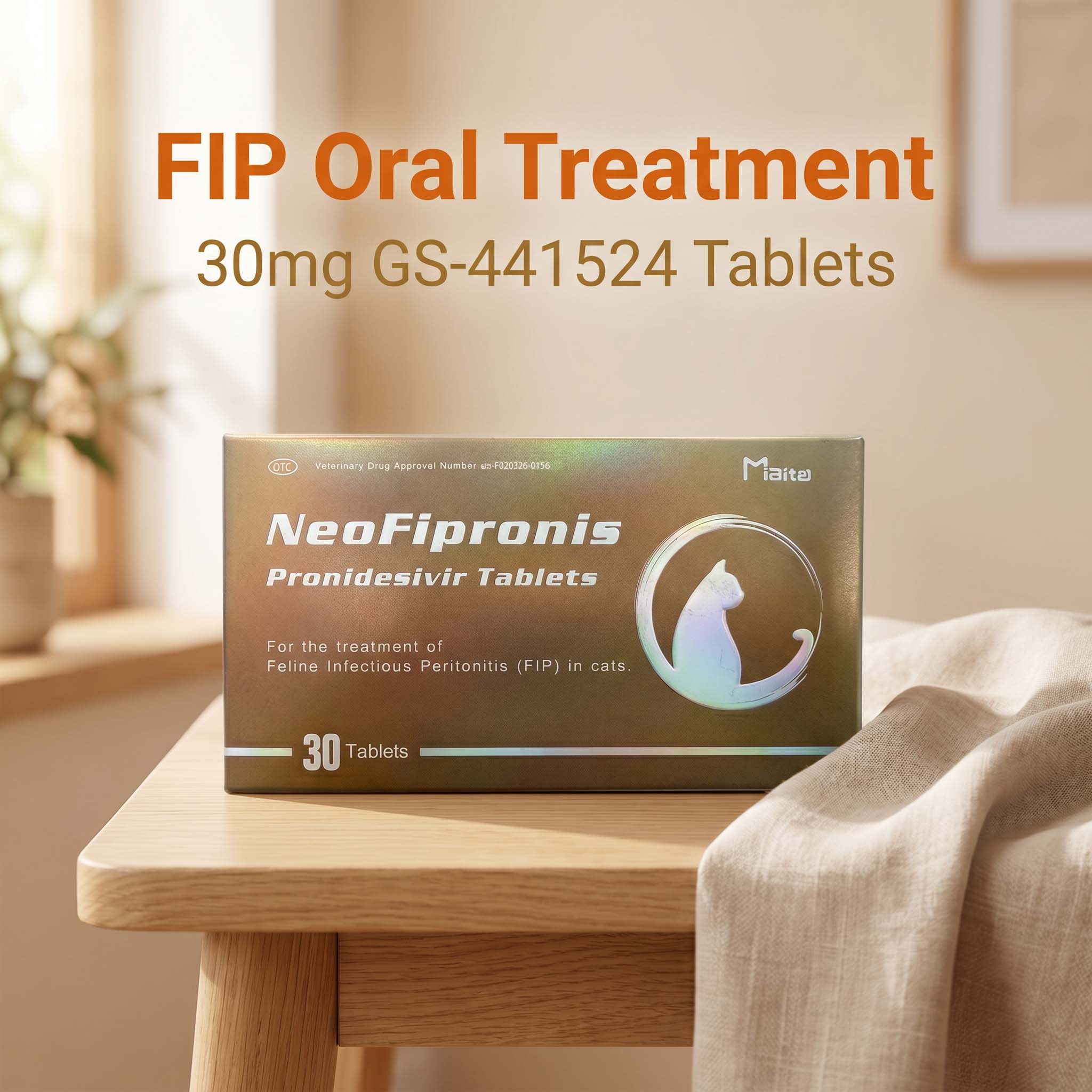
One of the most significant breakthroughs is the availability of antiviral drugs such as GS-441524, a nucleoside analog that inhibits coronavirus replication. A new medication, Miaite NeoFipronis (Pronidesivir) GS-441524, has been especially noteworthy.
Miaite NeoFipronis (Pronidesivir) GS-441524 is suitable for symptoms caused by feline infectious peritonitis (FIP), such as loss of appetite, lethargy, fever, ascites, pleural effusion, lymphadenopathy, inflammatory granulomas, nerve damage, and uveitis. It has excellent therapeutic effects on FIP. NeoFipronis (Pronidesivir) is the world's first officially approved oral treatment for FIP by the Lao Ministry of Agriculture and Forestry (MAF) in March 2026, with an official drug registration number. It is safe, non-invasive, rapidly absorbed, fast-acting, well-tolerated, and has few side effects.
How Do Antiviral Drugs Work for FIP?
Antiviral agents like GS-441524 and NeoFipronis function by interrupting viral replication inside the host's cells. By reducing the viral load, these drugs help the immune system combat the infection more effectively, leading to resolution or significant improvement of clinical signs. They are administered orally, making treatment less stressful for cats and easier for owners.
What Is the Prognosis for Cats with Wet FIP?
The prognosis varies widely depending on the stage of disease, the response to treatment, and the presence of concurrent health issues. While traditionally considered fatal, cats receiving antiviral therapy like NeoFipronis often show remarkable recovery, with fluid reabsorbing and symptoms resolving within weeks.
Success depends on early detection and timely initiation of therapy. Owners should work closely with their veterinarians to monitor response and manage any side effects during treatment.
Are There Potential Side Effects or Risks?
Most antivirals, including NeoFipronis, are well-tolerated. However, some cats may experience mild gastrointestinal upset, lethargy, or transient changes in liver enzymes. Regular monitoring during treatment is advised to detect any adverse effects promptly.
It’s important to note that not all cats respond uniformly, and some may require extended therapy or supportive care for optimal outcomes.
How Can Owners Prevent Wet FIP?
Prevention primarily revolves around managing feline coronavirus exposure and ensuring good hygiene in multi-cat environments. Regular cleaning of litter boxes, minimizing stress, and minimizing overcrowding can reduce infection risk.
Vaccination against FCoV exists but offers limited protection and is not universally recommended. Currently, the focus is on early detection and prompt treatment if infection occurs.
Future Perspectives
With ongoing research and new drug approvals, the outlook for cats with wet FIP is improving significantly. Advances like NeoFipronis represent a major breakthrough, opening avenues for more accessible and effective treatment options. Continued research aims to refine diagnostics, develop broader antiviral agents, and improve long-term outcomes.
References
1. Feline Infectious Peritonitis: Pathogenesis and Clinical Features
2. Diagnosis and Management of FIP in Cats
3. Advances in Antiviral Treatments for FIP
4. Recent Approval of NeoFipronis for FIP Treatment
5. Clinical Trials and Efficacy of GS-441524 in FIP Cases