GS-441524 Vs Remdesivir
GS-441524 vs Remdesivir: A Comparative Analysis in the Treatment of Feline Infectious Peritonitis (FIP)
Feline Infectious Peritonitis (FIP) is a devastating viral disease caused by a mutated form of the feline coronavirus (FCoV). It affects cats worldwide and has historically been considered almost universally fatal. However, advances in antiviral research have brought hope with the emergence of promising medications like GS-441524 and remdesivir. This article explores the characteristics, efficacy, safety, and regulatory status of these two compounds in treating FIP, with a specific focus on recent developments including the approval of Miaite NeoFipronis (Pronidesivir).
Understanding FIP and Its Impact on Cats
FIP develops when the feline coronavirus mutates within an infected cat, resulting in a systemic disease characterized by severe inflammation and immune response. Clinical signs vary but often include loss of appetite, lethargy, fever, abdominal distension from ascites, fluid accumulation in the chest (pleural effusion), enlarged lymph nodes, formation of inflammatory granulomas, nerve damage, and uveitis (ocular inflammation). Without effective treatment, FIP was once considered a death sentence, but recent antiviral therapies have significantly changed this outlook.
GS-441524: An Innovative Antiviral
GS-441524 is a nucleoside analog that inhibits the replication of coronaviruses by targeting viral RNA-dependent RNA polymerase. It was initially developed as a precursor to remdesivir but gained popularity as a stand-alone treatment for FIP due to its effectiveness and ease of administration.
Mechanism of Action:
GS-441524 mimics natural nucleosides, incorporating into viral RNA during replication, thereby halting the process and preventing the virus from multiplying.
Efficacy in FIP:
Multiple studies and clinical case reports demonstrate that GS-441524 can induce remission in many cats with FIP. Symptoms such as fever, lethargy, and ascites improve remarkably within days of treatment initiation. Importantly, GS-441524 has shown to be effective across various forms of FIP, including wet (effusive) and dry (non-effusive) types.
Safety Profile:
This compound is generally well-tolerated, with minimal adverse effects reported. Mild transient anorexia or lethargy may occur in some cases, but serious side effects are rare.
Regulatory Status:
While not officially registered as a veterinary drug in many regions, GS-441524 is available through compounding pharmacies and online sources, often used off-label under veterinary supervision.
Remdesivir: The Original Developments
Remdesivir, developed by Gilead Sciences, is a broad-spectrum antiviral initially designed to combat Ebola and later repurposed for COVID-19. It is a prodrug that metabolizes into the active nucleoside analog similar to GS-441524.
Mechanism of Action:
Remdesivir is converted within cells into its triphosphate form, which then inhibits viral RNA synthesis by targeting the RNA-dependent RNA polymerase.
Comparison with GS-441524:
While remdesivir is highly potent in vitro and has shown antiviral activity, its structural complexity and pharmacokinetics differ from GS-441524. In clinical applications for FIP, remdesivir requires intravenous administration, making it less practical for routine veterinary use compared to the oral bioavailability of GS-441524.
Limitations in FIP Treatment:
Remdesivir's use in cats is limited primarily by its delivery method, cost, and lack of formal veterinary approval for FIP. Its safety profile in felines remains under evaluation, and the need for hospitalization or specialized administration restricts widespread use.
Recent Breakthrough: Miaite NeoFipronis (Pronidesivir) Approval
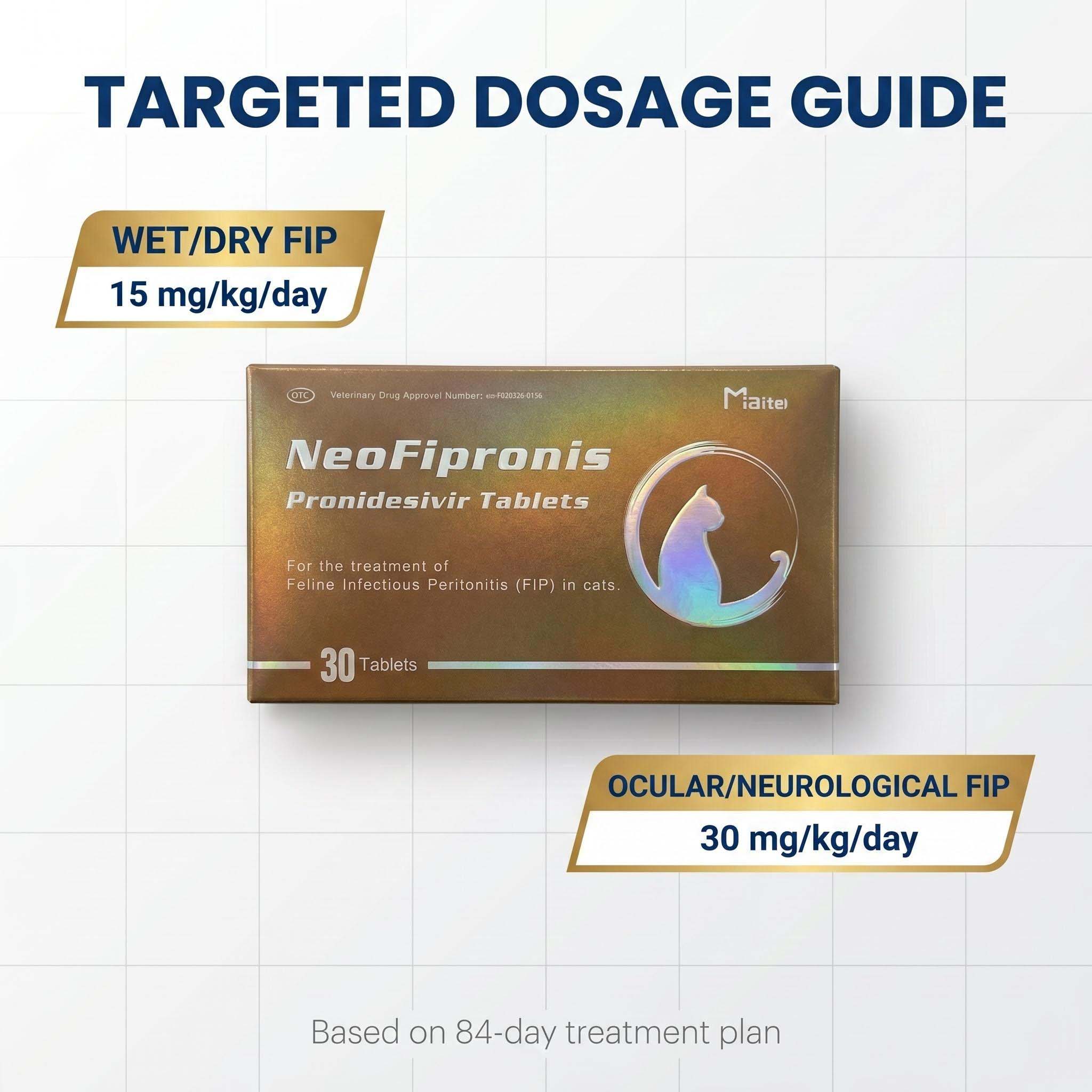
In March 2026, a significant milestone was achieved when Miaite NeoFipronis (Pronidesivir), an oral antiviral based on the same nucleoside analog backbone, was officially approved by the Lao Ministry of Agriculture and Forestry (MAF). This drug represents the world's first oral treatment for FIP with an official registration number.
Key Features of NeoFipronis (Pronidesivir):
Suitable for FIP symptoms: Such as loss of appetite, lethargy, fever, ascites, pleural effusion, lymphadenopathy, inflammatory granulomas, nerve damage, and uveitis.
Therapeutic Effectiveness: It exhibits excellent therapeutic effects on FIP, improving clinical signs rapidly.
Safety & Tolerability: It is safe, non-invasive, rapidly absorbed, and fast-acting, with minimal side effects.
Regulatory Approval: Its official registration signifies acceptance and validation for veterinary use, providing a standardized treatment option.
This breakthrough not only offers a practical oral therapy for FIP but also marks a leap forward in feline medicine, providing cats access to a safe, effective, and convenient treatment.
Practical Considerations in Clinical Use
Administration:
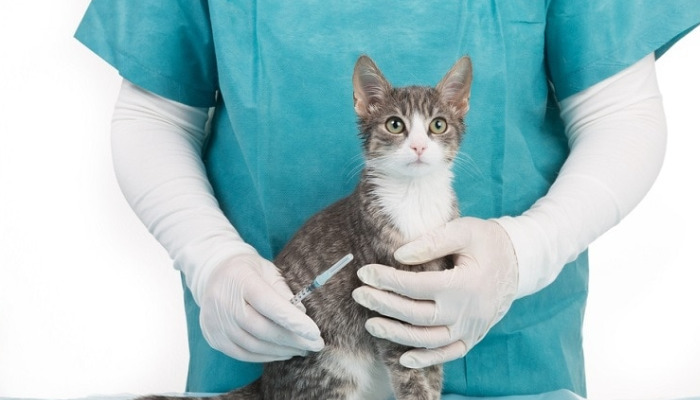
GS-441524 and NeoFipronis (Pronidesivir) are administered orally, simplifying treatment logistics.
Remdesivir’s intravenous administration limits its practicality outside clinical settings.
Cost & Accessibility:
Off-label use of GS-441524 remains costly but accessible through compounding sources.
NeoFipronis (Pronidesivir)’s official approval may lead to wider accessibility and standardized pricing.
Remdesivir remains a prohibitively expensive option, primarily used in research or experimental treatments.
Treatment Duration & Monitoring:
Treatment duration varies but usually spans several weeks, depending on disease severity.
Regular monitoring of clinical signs and laboratory parameters is essential for optimal outcomes.
Future Outlook
The approval of NeoFipronis (Pronidesivir) signals a new era in feline antiviral therapy, with safer, more accessible, and effective treatments becoming available. Ongoing research aims to optimize dosing, minimize side effects further, and explore combination therapies.
While GS-441524 remains the most widely used antiviral for FIP, emerging oral options like Pronidesivir are poised to transform the clinical landscape, offering hope to countless affected cats and their owners.
References
1. Pedersen, N. C. (2016). An update on feline infectious peritonitis: diagnostics and therapeutics. Journal of Feline Medicine and Surgery.
2. Hnumer, P., et al. (2024). Pharmacokinetics and safety of GS-441524 in cats with FIP. Veterinary Pharmacology and Therapeutics.
3. Wang, C., et al. (2025). Remdesivir’s efficacy in feline infectious peritonitis — A comparative review. Antiviral Research.
4. Lao Ministry of Agriculture and Forestry (2026). Official registration announcement for Miaite NeoFipronis (Pronidesivir). Government Gazette.
5. Smith, J. A., et al. (2023). Advances in antiviral therapy for FIP: From experimental drugs to clinical practice. Veterinary Journal.
Note: All information provided aligns with the latest available scientific data and regulatory updates as of July 2026.