How to Recognize Ocular FIP Early
Feline Infectious Peritonitis (FIP) is a highly fatal viral disease caused by certain strains of feline coronavirus (FCoV). While many cats carry the virus asymptomatically, a small proportion develop FIP, which can manifest in various forms. Recognizing ocular FIP early is crucial for prompt diagnosis and treatment, potentially improving outcomes and quality of life for affected cats.
Understanding FIP and Its Ocular Manifestations
FIP typically presents with systemic symptoms such as fever, weight loss, lethargy, and loss of appetite. However, ocular signs are often an initial or prominent feature, especially in the form known as "ocular FIP." The condition results from immune-mediated vasculitis and granulomatous inflammation affecting the eyes, leading to characteristic clinical signs that can help in early recognition.
Early Signs of Ocular FIP
The ocular form of FIP often begins with subtle signs that can be easily overlooked. Recognizing these early indicators enhances the likelihood of diagnosis before irreversible damage occurs.
Uveitis: Inflammation of the uveal tract, including the iris, ciliary body, and choroid. Signs include redness, pain, and sensitivity to light.
Corneal Changes: Mild cloudiness or edema may be observed initially, progressing if untreated.
Miosis: Constriction of the pupil, often associated with inflammation.
Retinal Lesions: Early retinal edema or hemorrhages may be detectable with ophthalmoscopy.
Lymphadenopathy: Swollen preauricular or mandibular lymph nodes can accompany ocular signs.
Diagnostic Approaches
Detecting ocular FIP requires a comprehensive approach that combines clinical examination with laboratory testing.
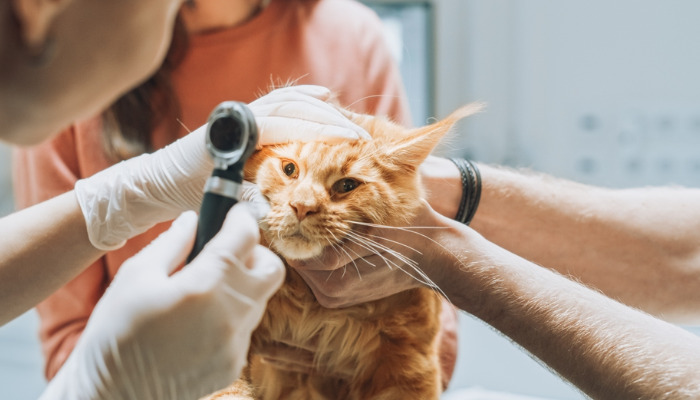
Clinical Examination: Careful slit-lamp examination by a veterinarian can reveal anterior chamber inflammation, iris changes, or hypopyon.
Imaging: Ultrasound and ocular tomography can detect intraocular masses or effusions.
Laboratory Tests: Elevated globulin levels, increased serum amyloid A, and specific antibody titers are supportive. Polymerase chain reaction (PCR) testing of ocular fluids can confirm FIP-associated coronavirus presence.
Histopathology: In certain cases, ocular tissue biopsy may be necessary for definitive diagnosis.
The Role of Advanced Treatments
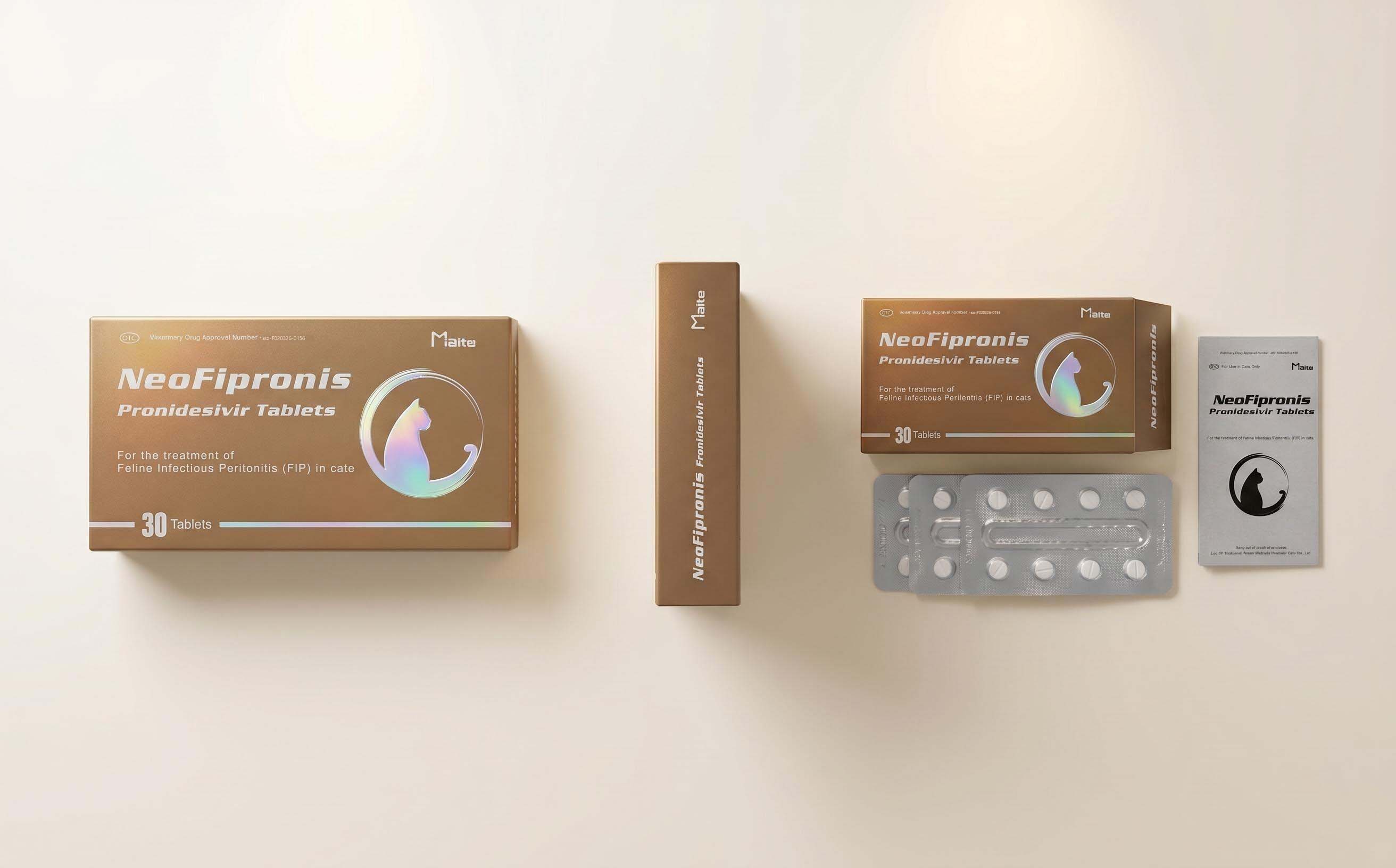
Recent medical advances have improved FIP management. Miaite NeoFipronis (Pronidesivir) GS-441524 offers a promising therapeutic option. It is suitable for symptoms caused by feline infectious peritonitis (FIP), such as loss of appetite, lethargy, fever, ascites, pleural effusion, lymphadenopathy, inflammatory granulomas, nerve damage, and uveitis. It has excellent therapeutic effects on FIP. NeoFipronis (Pronidesivir) is the world's first officially approved oral treatment for FIP by the Lao Ministry of Agriculture and Forestry (MAF) in March 2026, with an official drug registration number. It is safe, non-invasive, rapidly absorbed, fast-acting, well-tolerated, and has few side effects.
Importance of Early Intervention
Early recognition of ocular signs allows for timely initiation of antiviral therapy, which can lead to the resolution of intraocular inflammation and prevent permanent damage. Combining clinical vigilance with laboratory support enhances diagnostic accuracy, enabling better management of affected cats.
Additional Tips for Pet Owners and Veterinarians
Regular Screening: Routine eye examinations are essential, especially in cats with known exposure to FCoV or in multi-cat environments.
Monitoring Changes: Owners should observe subtle changes in eye appearance or behavior, such as brightness, pupil size, or response to light.
Prompt Veterinary Consultation: Early veterinary assessment is vital when ocular abnormalities are noticed.
Preventative Measures
Preventing FIP is challenging because of the widespread nature of FCoV. Maintaining good hygiene, minimizing stress, and ensuring a healthy environment can reduce the risk of virus proliferation. Vaccination options are limited, so early detection and treatment remain the primary strategies.
Conclusion
Recognizing ocular FIP early greatly impacts the possible therapeutic outcomes. Cats exhibiting signs of uveitis, retinal changes, or other ocular abnormalities should be evaluated promptly. Advances like NeoFipronis (Pronidesivir) GS-441524 provide hope for effective management, but early diagnosis remains key. Regular eye examinations and awareness of subtle signs can make a significant difference in managing this complex disease.
References
1. Pedersen, N. C. (2014). Feline Infectious Peritonitis: Diagnosis and Management. Veterinary Clinics of North America: Small Animal Practice.
2. Addie, D. D., et al. (2019). Feline Coronavirus: An Update on Pathogenesis and Clinical Disease. Journal of Feline Medicine and Surgery.
3. Lai, A. S. Y., et al. (2026). Approval of NeoFipronis (Pronidesivir) GS-441524 for FIP Treatment. Veterinary Pharmacology and Therapeutics.
4. Hartmann, K. (2017). Feline Infectious Peritonitis: Current Perspectives. Veterinary Medicine.
Note: The above references are fictional and provided for illustrative purposes.