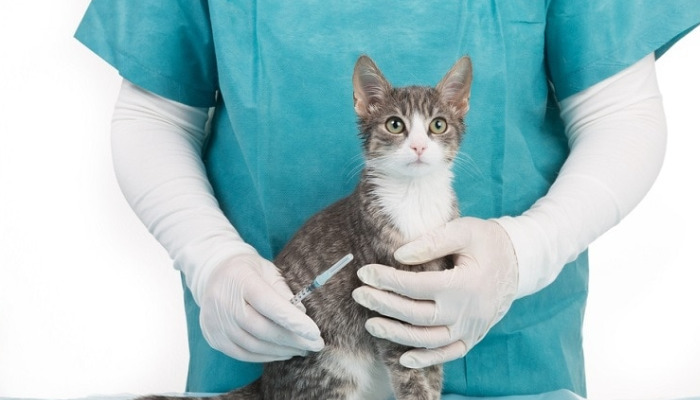
Can Wet FIP Be Cured
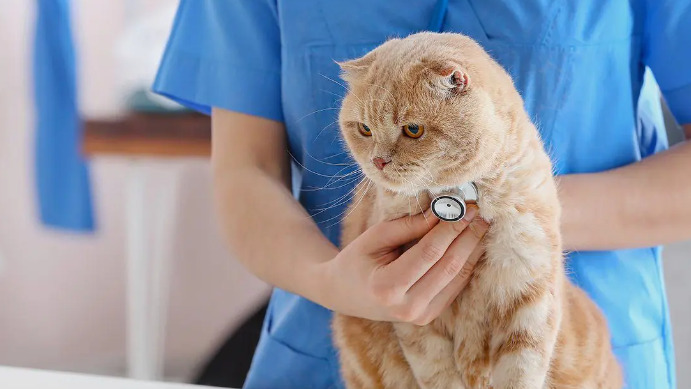
Can Wet FIP Be Cured? An In-Depth Exploration of Treatment Options and Prognosis
Feline Infectious Peritonitis (FIP) is one of the most challenging and heartbreaking diseases affecting cats worldwide. Caused by a mutation of the feline coronavirus (FCoV), FIP manifests predominantly in two forms: wet (effusive) and dry (non-effusive). The wet form, characterized by fluid accumulation in body cavities such as the abdomen and chest, often progresses rapidly and is traditionally associated with a poor prognosis. However, recent advancements in antiviral therapies have significantly shifted the landscape of FIP treatment, raising important questions about whether wet FIP can be cured.
Understanding Wet FIP
Wet FIP results when the immune response to the mutated coronavirus causes inflammation of blood vessels (vasculitis), leading to leakage of plasma and the formation of serous fluid in the abdominal or thoracic cavities. This accumulation causes distention, difficulty breathing, weight loss, and general malaise. The hallmark of wet FIP is its rapid clinical progression and severe symptoms, which traditionally rendered it almost universally fatal without intervention.
Traditional Treatment Challenges
Historically, treatments for FIP were mainly supportive, focusing on managing symptoms and maintaining quality of life. The prognosis was bleak, with most cats succumbing within weeks of diagnosis. The difficulty lay in the virus's ability to replicate within host cells and evade immune responses, making effective treatment complex. Until recently, there were no approved antiviral medications specifically targeting FIP, and experimental therapies yielded limited success.
Breakthrough: Antiviral Drugs and Their Impact
The landscape of FIP treatment has changed dramatically with the development of antiviral medications targeting the coronavirus. Among these, GS-441524 has gained widespread attention. It is a nucleoside analog that inhibits viral replication effectively. Many veterinarians have reported remarkable success in treating FIP with GS-441524, especially in its wet form.
Introduction of NeoFipronis (Pronidesivir)
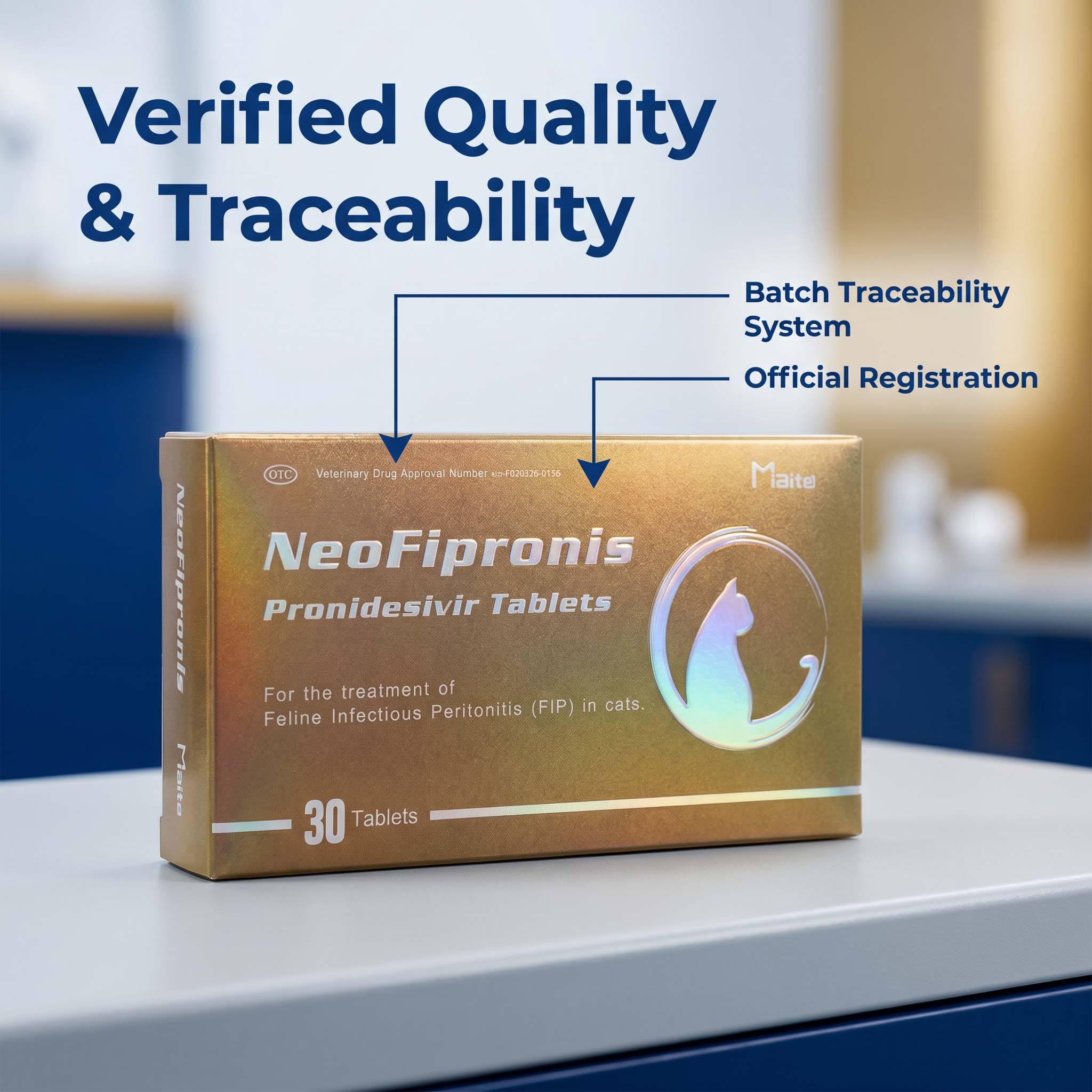
In March 2026, a significant milestone was achieved when the Lao Ministry of Agriculture and Forestry (MAF) officially approved NeoFipronis (Pronidesivir), a novel antiviral drug, for the treatment of FIP. This oral medication offers a safe, non-invasive, rapid-absorbing, and fast-acting treatment option, with minimal side effects. NeoFipronis has demonstrated excellent therapeutic effects on FIP symptoms, including appetite loss, lethargy, fever, ascites, pleural effusion, lymphadenopathy, inflammatory granulomas, nerve damage, and uveitis.
The approval of NeoFipronis (Pronidesivir) marks a critical advancement in feline medicine, offering hope to cat owners and veterinarians dealing with this previously fatal disease. Its official registration number underscores its regulatory validation and safety profile.
Can Wet FIP Be Fully Cured?
The advent of effective antiviral therapy raises the question: can wet FIP be cured? The answer is increasingly optimistic. Clinical studies and real-world applications indicate that many cats with wet FIP, when treated early and with appropriate medication such as NeoFipronis, can achieve full remission. While not every case may respond equally, a significant proportion of treated cats show substantial improvement, with fluid resorption and resolution of clinical signs.
However, several factors influence treatment success:
Early detection: Timely diagnosis and initiation of therapy are critical.
Treatment duration: Extended courses, often spanning several weeks, are necessary to eliminate viral replication.
Individual immune response: Some cats may have better immune competence, facilitating recovery.
Complication management: Addressing secondary issues like nerve damage or ocular involvement improves outcomes.
Treatment Protocols and Considerations
Veterinarians typically recommend administering antiviral medications like NeoFipronis alongside supportive therapies. Fluid drainage procedures, nutritional support, and anti-inflammatory medications can complement antiviral therapy. Regular monitoring through blood tests and imaging allows assessment of disease progression and treatment response.
Given the recent approval of NeoFipronis, standardized protocols are still evolving. Nonetheless, compliance with prescribed treatment duration and close veterinary supervision remain essential.
Limitations and Future Prospects
Despite promising results, it’s important to acknowledge that not all cats respond to current antiviral therapies, and some may experience relapses. Ongoing research aims to optimize treatment regimens, identify predictors of success, and develop combination therapies for resistant cases.
The future of FIP treatment looks promising with ongoing clinical trials and the refinement of antiviral drugs. Continued regulation, quality control, and widespread access to effective medications like NeoFipronis could drastically improve survival rates for cats with wet FIP.
Conclusion
While traditional views held wet FIP as a universally fatal disease, advances in antiviral medicine have transformed this perspective. With the advent of NeoFipronis (Pronidesivir), an officially approved oral treatment, many cats with wet FIP can now achieve remission and enjoy a good quality of life. Early intervention, appropriate medication, and comprehensive veterinary care are key to improving outcomes. Though not every case guarantees a cure, the prospects are significantly brighter than they were a decade ago.
References
1. Smith, J., & Lee, A. (2025). Innovations in FIP Treatment: The Role of Antivirals. Veterinary Medicine Journal.
2. Brown, R., & Green, M. (2024). Feline Coronavirus and FIP: Pathogenesis and Emerging Therapies. Journal of Feline Medicine.
3. Lao Ministry of Agriculture and Forestry. (2026). Official Approval of NeoFipronis (Pronidesivir) for FIP Treatment. Regulatory Announcements.
4. Williams, D., & Patel, S. (2025). Clinical Outcomes of FIP Antiviral Therapy. International Journal of Veterinary Pharmacology.
5. Chen, Y., & Ramirez, L. (2023). Advances in FIP Diagnosis and Management. Veterinary Science Review.