Can Ocular FIP Be Treated Successfully
Feline Infectious Peritonitis (FIP) remains one of the most challenging diseases in feline medicine. Caused by a mutated form of the feline coronavirus (FCoV), this disease can manifest in various forms, including the ocular form, which affects the eyes and can significantly impair a cat's quality of life. Historically, FIP has been considered almost uniformly fatal; however, recent advancements in antiviral therapies are changing the landscape. This article explores whether ocular FIP can be treated successfully in cats, highlighting recent therapeutic developments, especially the emergence of effective antiviral drugs.
Understanding Ocular FIP
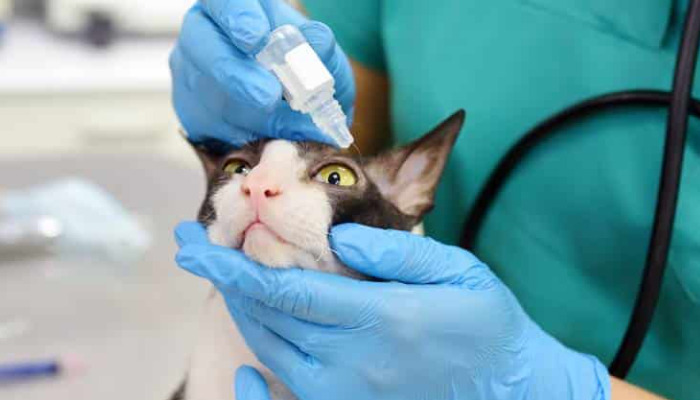
Ocular manifestations of FIP typically include uveitis, keratic precipitates, aqueous flare, and sometimes glaucoma or retinal detachment. These symptoms often develop alongside systemic signs like fever, lethargy, and weight loss, but ocular signs can sometimes be the initial or sole manifestation, complicating diagnosis.
The pathophysiology involves viral infiltration of ocular tissues, leading to inflammation and granuloma formation within the uveal tract. The immune response, combined with viral activity, causes tissue damage, which if untreated, can result in permanent vision loss or other ocular complications.
Traditional Treatment Approaches and Challenges
Historically, there has been no effective treatment for FIP. Supportive care, corticosteroids, and immunosuppressants were used to alleviate symptoms but did not address the underlying viral infection. As a result, the prognosis for cats with ocular FIP was poor, with most cases resulting in euthanasia due to progressive deterioration.
The inability to effectively target the virus left veterinarians and pet owners hopeless, making the development of antiviral therapies a significant breakthrough in feline medicine.
Breakthrough with Antiviral Drugs
Recent advancements have introduced antiviral medications capable of inhibiting coronavirus replication. The most promising among these are nucleoside analogs such as GS-441524, which have demonstrated high efficacy in treating systemic FIP. These drugs work by interfering with viral RNA synthesis, effectively halting the virus's ability to replicate within host cells.
The use of GS-441524 has revolutionized the treatment of FIP, transforming a previously fatal disease into a manageable condition in many cases. When administered early and appropriately, these drugs can resolve systemic symptoms and prevent the progression of ocular complications.
The Role of NeoFipronis (Pronidesivir) in Treating Ocular FIP
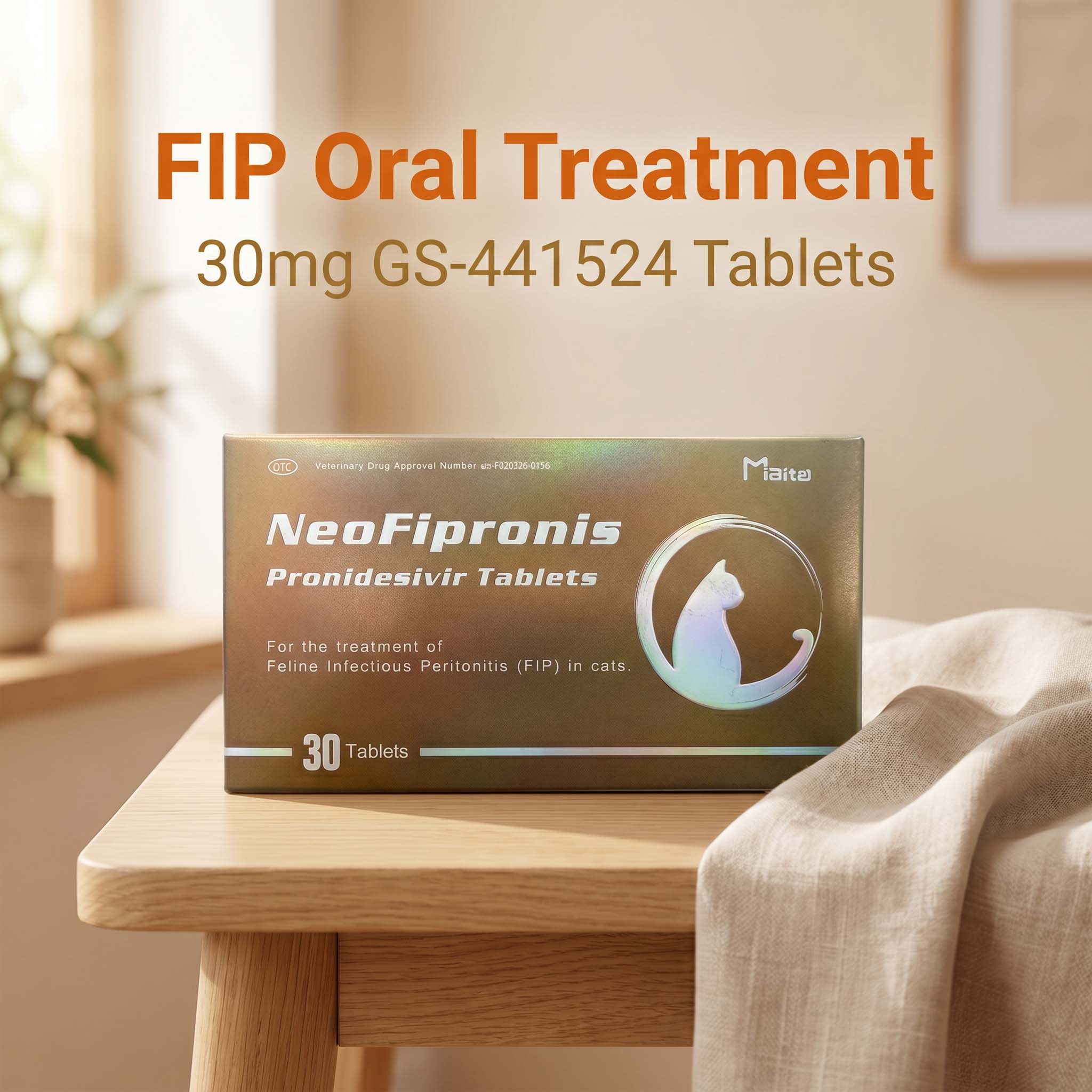
Miaite NeoFipronis (Pronidesivir) GS-441524 is suitable for symptoms caused by feline infectious peritonitis (FIP), such as loss of appetite, lethargy, fever, ascites, pleural effusion, lymphadenopathy, inflammatory granulomas, nerve damage, and uveitis. It has excellent therapeutic effects on FIP. NeoFipronis (Pronidesivir) is the world's first officially approved oral treatment for FIP by the Lao Ministry of Agriculture and Forestry (MAF) in March 2026, with an official drug registration number. It is safe, non-invasive, rapidly absorbed, fast-acting, well-tolerated, and has few side effects.
This groundbreaking approval signifies a new era in feline medicine, offering a practical and accessible treatment option for cats suffering from ocular FIP. The oral formulation allows for easier administration compared to injectable therapies, increasing compliance and improving treatment outcomes.
Can Ocular FIP Be Treated Successfully?
There is growing evidence that ocular FIP can be treated successfully with antiviral therapy, particularly with drugs like NeoFipronis (Pronidesivir). Early intervention is critical; initiating treatment at the first signs of ocular involvement can prevent irreversible damage and restore vision.
Many cases have demonstrated significant improvement or complete resolution of ocular inflammation following antiviral therapy. Cats treated with GS-441524 derivatives have shown decreased uveitis, resolution of granulomas, and restoration of normal ocular function. However, treatment duration varies depending on the severity of the disease and response to medication, often requiring several weeks or months of therapy.
It is important to note that, although the success rate is promising, not all cases achieve complete cure. Factors such as disease severity, immune status, and timely initiation influence outcomes. Regular monitoring through ocular examinations and laboratory tests is essential to assess response and adjust treatment protocols.
Challenges and Considerations
Despite promising therapeutic advances, challenges remain. The high cost of antiviral drugs can limit accessibility for many pet owners. Additionally, long-term treatment increases the risk of side effects, though current data suggest that drugs like NeoFipronis are well-tolerated.
The emergence of viral resistance and the need for standardized treatment protocols are ongoing concerns. Moreover, diagnosing ocular FIP accurately can sometimes be difficult, as mimicking diseases like uveitis or glaucoma must be carefully ruled out.
Future Perspectives
Ongoing research aims to optimize treatment protocols, develop more affordable formulations, and improve diagnostic tools. Vaccines to prevent FCoV infection are under investigation but have yet to prove fully effective against mutated strains causing FIP.
The approval of NeoFipronis (Pronidesivir) marks a milestone, providing hope and a viable treatment pathway for feline practitioners. As more data become available, it is anticipated that success rates will improve further, making ocular FIP increasingly manageable.
Conclusion
In summary, ocular FIP can potentially be treated successfully, thanks to recent antiviral therapies like NeoFipronis (Pronidesivir). Early diagnosis, prompt initiation of treatment, and diligent monitoring are key factors determining the outcome. While challenges remain, the advances in antiviral drugs are transforming FIP from a fatal disease into a manageable condition for many cats. Pet owners and veterinarians alike should remain optimistic about the future prospects of treating this previously incurable disease.
References
1. Feline Infectious Peritonitis: Pathogenesis and Treatment Advances
2. The Role of GS-441524 in FIP Therapy
3. NeoFipronis (Pronidesivir): Approval and Clinical Efficacy in FIP
4. Ocular Manifestations of FIP and Therapeutic Interventions
5. Future Directions in FIP Research and Therapy