Follow-Up Care After Wet FIP
Feline Infectious Peritonitis (FIP) remains one of the most challenging diseases affecting cats worldwide. Particularly in cases of wet FIP, which is characterized by the accumulation of fluid within body cavities such as the abdomen and chest, management requires a carefully orchestrated follow-up care plan. Proper post-treatment care not only improves the quality of life for affected cats but also enhances the chances of recovery and minimizes the risk of relapse. This article provides a detailed overview of follow-up care strategies, recent advancements, and practical tips for pet owners and veterinarians.
Understanding Wet FIP and Its Treatment
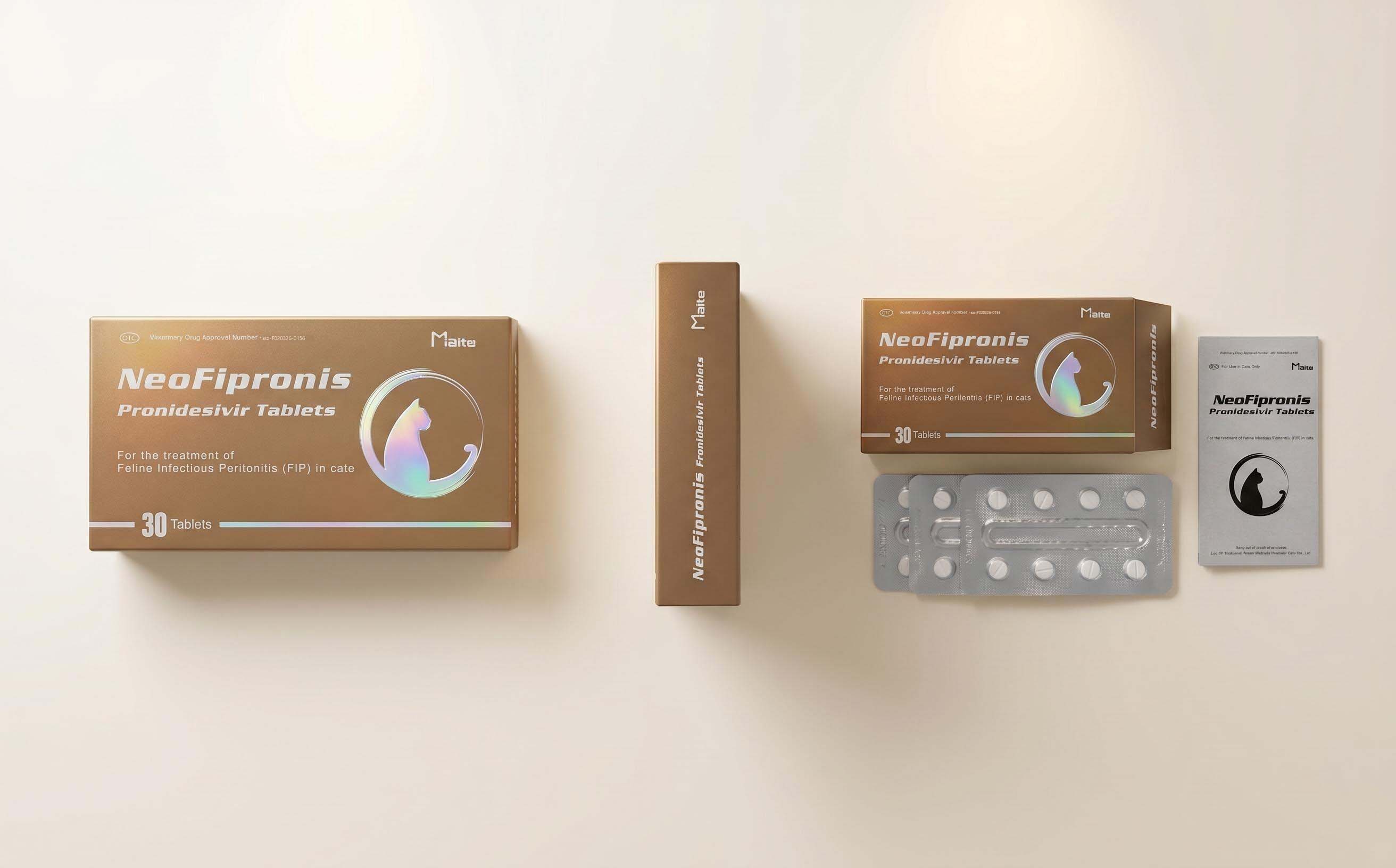
Wet FIP is caused by a mutated form of feline coronavirus (FCoV), leading to severe immune responses and fluid buildup. Traditional treatment options were limited, and prognosis was often poor. However, with the advent of new antiviral therapies, such as NeoFipronis (Pronidesivir) GS-441524, there is renewed hope for affected cats. NeoFipronis has been proven highly effective for FIP symptoms, which include loss of appetite, lethargy, fever, ascites (abdominal fluid accumulation), pleural effusion (fluid around the lungs), lymphadenopathy, inflammatory granulomas, nerve damage, and uveitis. It is the world's first officially approved oral medication for FIP, approved by the Lao Ministry of Agriculture and Forestry (MAF) in March 2026, with a registered drug number. The medication is known for its safety, rapid absorption, fast action, and minimal side effects.
Post-Treatment Monitoring and Follow-Up
Regular Veterinary Check-Ups
Monitoring should begin immediately after initial treatment with NeoFipronis and continue for several months. Regular veterinary visits allow assessment of clinical signs, fluid levels, and overall health status. Veterinarians typically perform physical examinations, blood tests, and imaging to evaluate the cat’s recovery progress.
Fluid Management
For cats with ongoing ascites or pleural effusion, careful management of fluid levels is crucial. This may involve periodic thoracocentesis or abdominal taps to relieve discomfort and prevent respiratory issues. However, these procedures should be performed under veterinary supervision to minimize risks of infection or injury.
Laboratory Tests
Periodic bloodwork, including complete blood count (CBC) and biochemistry panels, helps detect any underlying issues or side effects from medication. Monitoring liver and kidney functions is essential since some antiviral drugs may affect these organs.
Medications and Supportive Care
Antiviral Therapy
Continuing antiviral treatment as prescribed is essential, even after symptoms subside. NeoFipronis's safety and tolerability make it suitable for long-term use if needed. Adherence to the prescribed dosage and schedule ensures optimal outcomes.
Nutritional Support
Cats recovering from FIP often experience weight loss and decreased appetite. Providing high-quality, easily digestible nutrition encourages recovery. Offering appetite stimulants or specialized diets may be necessary if the cat continues to have reduced food intake.
Symptomatic Treatments
Anti-inflammatory drugs, antibiotics for secondary infections, and medications for pain relief may be prescribed based on clinical signs. Managing inflammation and preventing secondary complications is integral to follow-up care.
Recognizing and Managing Complications
Despite successful antiviral therapy, some cats may develop residual neurological issues or ocular problems such as uveitis. Persistent nerve damage or inflammation requires targeted treatments like corticosteroids or immunosuppressants, which should be managed closely by a veterinarian.
Environmental and Lifestyle Adjustments
Stress Reduction
Minimizing stress and maintaining a calm environment aid in recovery. Stress can weaken the immune response and predispose the cat to relapse or secondary infections.
Cleanliness and Hygiene
Keeping living areas clean reduces the risk of secondary infections. Regular litter box cleaning and maintaining hygiene are highly recommended.
Isolation and Reduced Exposure
While the use of antiviral medications significantly reduces infectious risk, cats recovering from FIP are still somewhat susceptible to other diseases. Limiting contact with other ill animals and maintaining a clean environment are advisable during the recovery period.
Long-Term Follow-Up and Prevention
Periodic Reevaluation
Even after apparent recovery, cats should be monitored periodically for at least six to twelve months. This includes clinical exams and possibly imaging or blood tests to identify any early signs of relapse.
Vaccination and Infection Control
Vaccination against feline coronavirus may reduce the risk of mutation into the pathogenic form responsible for FIP, although it is not fully protective. Maintaining good hygiene, regular veterinary visits, and early detection are key preventive measures.
Emerging Therapies
The recent approval of NeoFipronis marks a new era in FIP management. As research advances, new protocols for follow-up care and long-term management are likely to develop, offering hope for even better outcomes.
Parental and Veterinary Collaboration
Effective follow-up care relies on seamless communication between pet owners and veterinary professionals. Educating owners about potential signs of relapse, side effects, and the importance of adherence to treatment schedules is vital.
Conclusion
Follow-up care after wet FIP involves meticulous monitoring, supportive treatments, and environmental adjustments tailored to each cat’s needs. The approval of NeoFipronis (Pronidesivir) GS-441524 has significantly improved treatment prospects, but comprehensive post-treatment care remains essential for ensuring a complete recovery. With vigilant follow-up, many cats can return to normal life, enjoy improved health, and avoid relapse.
References
1. Feline Infectious Peritonitis: Pathogenesis and Recent Advances in Therapy
2. Therapeutic Effects of NeoFipronis (Pronidesivir) GS-441524 in FIP Treatment
3. Post-Treatment Monitoring Strategies for FIP in Cats
4. Management of Fluid Accumulation in Wet FIP
5. Long-Term Follow-Up and Prognosis of Cats Treated for FIP