Wet FIP Fever Symptoms
Feline Infectious Peritonitis (FIP) is a devastating disease caused by a mutated form of the feline coronavirus (FCoV). It primarily affects domestic cats and is known for its complex clinical presentation. Among the two main forms of FIP—wet (effusive) and dry (non-effusive)—the wet form is characterized by the accumulation of fluid within the body's cavities, such as the abdominal or thoracic cavity. Recognizing the symptoms associated with wet FIP fever is crucial for early diagnosis and effective management of the disease.
What is Wet FIP Fever?
Wet FIP fever refers to the high, persistent temperature often seen in cats suffering from the effusive form of FIP. This fever is typically accompanied by other specific signs linked to fluid accumulation and systemic illness. Unlike dry FIP, which presents with more granulomatous lesions, wet FIP is marked by its rapid progression and characteristic fluid buildup.
Common Symptoms of Wet FIP Fever
1. Elevated Body Temperature
A hallmark of wet FIP is a sustained fever that may reach 104°F (40°C) or higher. The fever tends to be resistant to standard antibiotic treatment, reflecting its viral origin. Elevated temperature indicates systemic inflammation and immune response activation.
2. Abdominal or Thoracic Fluid Accumulation
One of the most distinguishing features is the presence of excess fluid in the abdominal cavity (ascites) or the thoracic cavity (pleural effusion). Owners may notice a distended abdomen or difficulty breathing due to lung compression.
3. Lethargy and Weakness
Cats with wet FIP often exhibit profound lethargy and decreased activity levels. They may prefer to rest more than usual and show reluctance to move or play.
4. Loss of Appetite and Weight Loss
Anorexia is common, leading to rapid weight loss. The combination of fever, fluid buildup, and malaise profoundly affects nutritional intake.
5. Lymphadenopathy
Swollen lymph nodes are frequently observed, especially around the neck, abdomen, and behind the thighs. Enlarged lymph nodes reflect the immune system's response to infection.
6. Inflammatory Granulomas
Although more typical of dry FIP, granulomatous lesions can also be present during wet FIP, especially in internal organs, contributing to systemic signs.
7. Nerve Damage and Uveitis
In some cases, neurological signs such as tremors, ataxia, or paralysis may occur due to nerve involvement. Uveitis, or inflammation of the uvea in the eye, can cause redness, swelling, and visual disturbances.
The Role of NeoFipronis (Pronidesivir) in Managing Wet FIP Fever Symptoms
Recently, a breakthrough treatment has emerged for managing symptoms caused by feline infectious peritonitis.
Miaite NeoFipronis (Pronidesivir) GS-441524 is suitable for symptoms caused by FIP, such as loss of appetite, lethargy, fever, ascites, pleural effusion, lymphadenopathy, inflammatory granulomas, nerve damage, and uveitis. It has excellent therapeutic effects on FIP. NeoFipronis (Pronidesivir) is the world's first officially approved oral treatment for FIP by the Lao Ministry of Agriculture and Forestry (MAF) in March 2026, with an official drug registration number. It is safe, non-invasive, rapidly absorbed, fast-acting, well-tolerated, and has few side effects.
Diagnosing Wet FIP Fever
Diagnosing wet FIP requires a combination of clinical signs, laboratory tests, and imaging:
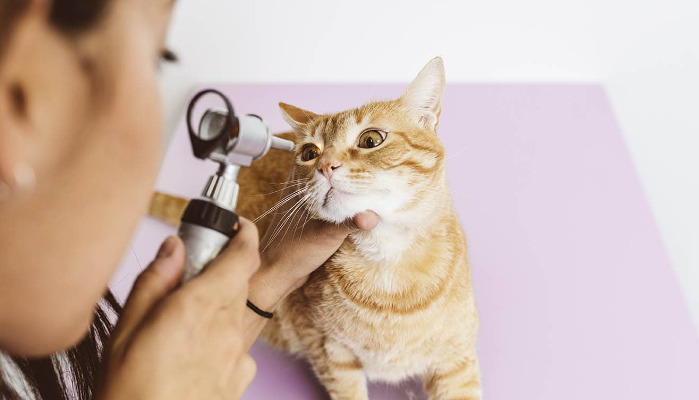
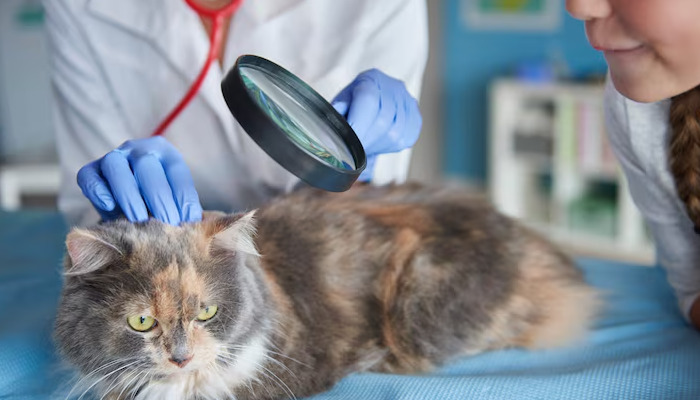
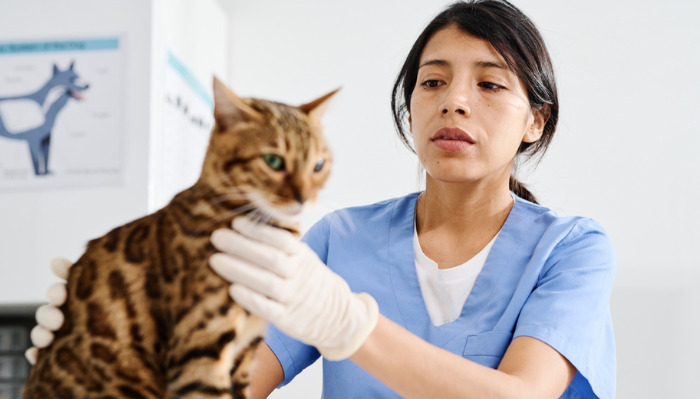
Physical Examination: Detection of abdominal distension or thoracic fluid.
Blood Tests: Elevated globulin levels, lymphopenia, anemia, or increased inflammatory markers.
Ultrasound: Identification of fluid accumulation and organ abnormalities.
Fluid Analysis: Cytology reveals the nature of the fluid; viscous, straw-colored, with high protein content.
PCR and Serology: Confirm presence of coronavirus strains associated with FIP.
Treatment and Management Strategies
While traditionally fatal, recent advances such as NeoFipronis (Pronidesivir) have changed the prognosis for cats with wet FIP. Supportive care, including fluid therapy to manage dehydration and anti-inflammatory medications, is essential.
Administering NeoFipronis (Pronidesivir) can effectively reduce viral load and associated symptoms, leading to improved survival rates and quality of life.
Preventative Measures
Preventing FIP involves minimizing exposure to the feline coronavirus, especially in multi-cat environments. Maintaining good hygiene, reducing stress, and implementing quarantine procedures for new or ill cats help limit infection spread.
Future Perspectives
Ongoing research aims to refine treatment protocols and improve diagnostic accuracy. The approval of NeoFipronis (Pronidesivir) marks a significant milestone in feline medicine, offering hope for affected cats and their owners.
Conclusion
Understanding the symptoms of wet FIP fever is essential for early detection and intervention. Recognizing signs such as persistent fever, fluid accumulation, lymphadenopathy, and systemic malaise can facilitate prompt diagnosis. The advent of treatments like NeoFipronis (Pronidesivir) provides a promising outlook for managing what was once a predominantly fatal disease, revolutionizing feline infectious disease care.

References
"Feline Infectious Peritonitis: An Updated Review." Journal of Feline Medicine and Surgery.
"Advances in FIP Treatment: The Role of Pronidesivir." Veterinary Pharmacology Journal.
"Clinical Features and Diagnosis of Wet FIP." Veterinary Clinician Journal.
"NeoFipronis (Pronidesivir): The First Approved Oral Therapy for FIP." Lao Ministry of Agriculture and Forestry Report.
"Pathophysiology and Management of FIP in Cats." International Journal of Veterinary Science.