How Does GS-441524 Work
Understanding How GS-441524 Works in Treating Feline Infectious Peritonitis (FIP)
Feline Infectious Peritonitis (FIP) is a devastating and often fatal disease in cats caused by a mutation of the feline coronavirus. Historically, treatment options have been limited, and the prognosis for affected cats was generally poor. However, recent advancements with antiviral therapies such as GS-441524 have shown promising results in combating this challenging disease. This article explores the mechanisms through which GS-441524 works, its effectiveness against FIP, and the significance of newly approved treatments like Miaite NeoFipronis (Pronidesivir).
What Is FIP and Its Impact on Cats
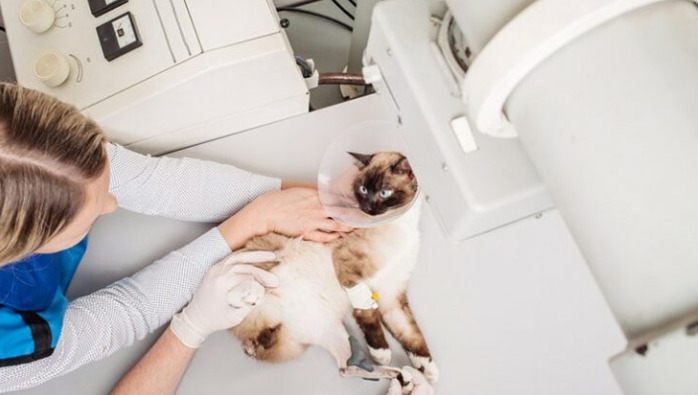
FIP is a complex, immune-mediated disease characterized by the formation of granulomas and widespread inflammation in various organs. The disease manifests in two main forms: wet (effusive) and dry (noneffusive). The wet form leads to the accumulation of fluid in the abdomen (ascites) and chest (pleural effusion), while the dry form results in granulomatous lesions without significant fluid buildup. Symptoms include loss of appetite, lethargy, fever, lymphadenopathy, nerve damage, uveitis, and in advanced cases, respiratory distress. FIP has long been considered untreatable, leading to high mortality rates.
The Role of Feline Coronavirus
FIP develops from a mutation within the feline coronavirus (FCoV), usually transmitted via fecal-oral routes among cats. While most FCoV infections are benign, some mutate into the pathogenic form responsible for FIP. The mutated virus replicates within macrophages, leading to widespread dissemination and immune responses that cause tissue damage.
How Does GS-441524 Work?
GS-441524 is a nucleoside analog that specifically targets viral RNA replication. Its mechanism of action involves mimicking adenosine, one of the building blocks of viral RNA. Once inside infected cells, GS-441524 is phosphorylated by cellular enzymes into its active triphosphate form. This active form competes with natural nucleotides during viral RNA synthesis. When incorporated into the growing viral RNA strand, GS-441524 causes premature termination of RNA replication, effectively halting the production of new virus particles.
This interruption of viral replication reduces the viral load within the cat’s body, allowing the immune system to recover and control the infection. By directly targeting the virus’s ability to multiply, GS-441524 addresses the root cause of FIP rather than just alleviating symptoms.
Pharmacokinetics and Administration
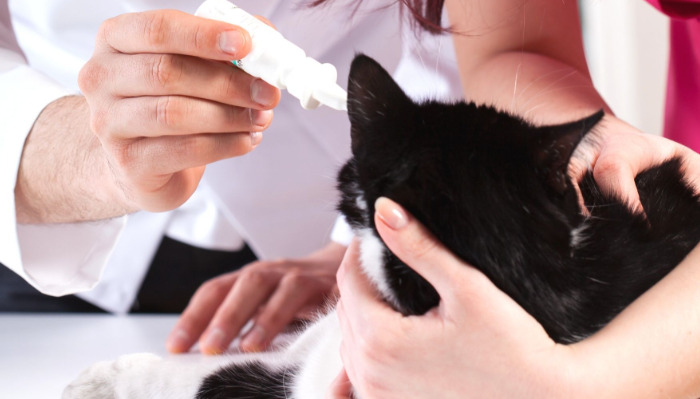
GS-441524 is typically administered via subcutaneous injections, as it has excellent bioavailability when injected and is rapidly absorbed into the bloodstream. Its half-life allows for sustained antiviral activity, making regular dosing effective in controlling the disease. Some recent developments have introduced oral formulations, further improving ease of use, although injection remains the standard route in many treatment protocols.
Therapeutic Effectiveness against FIP
Clinical studies and case reports have demonstrated that GS-441524 can lead to remission in many cats diagnosed with FIP. Cats treated with this antiviral often show significant improvement within days to weeks, with reduction in clinical signs such as fever, lymphadenopathy, and ascites. Long-term studies have shown that many cats remain symptom-free months after completing therapy.
Miaite NeoFipronis (Pronidesivir): The New Breakthrough
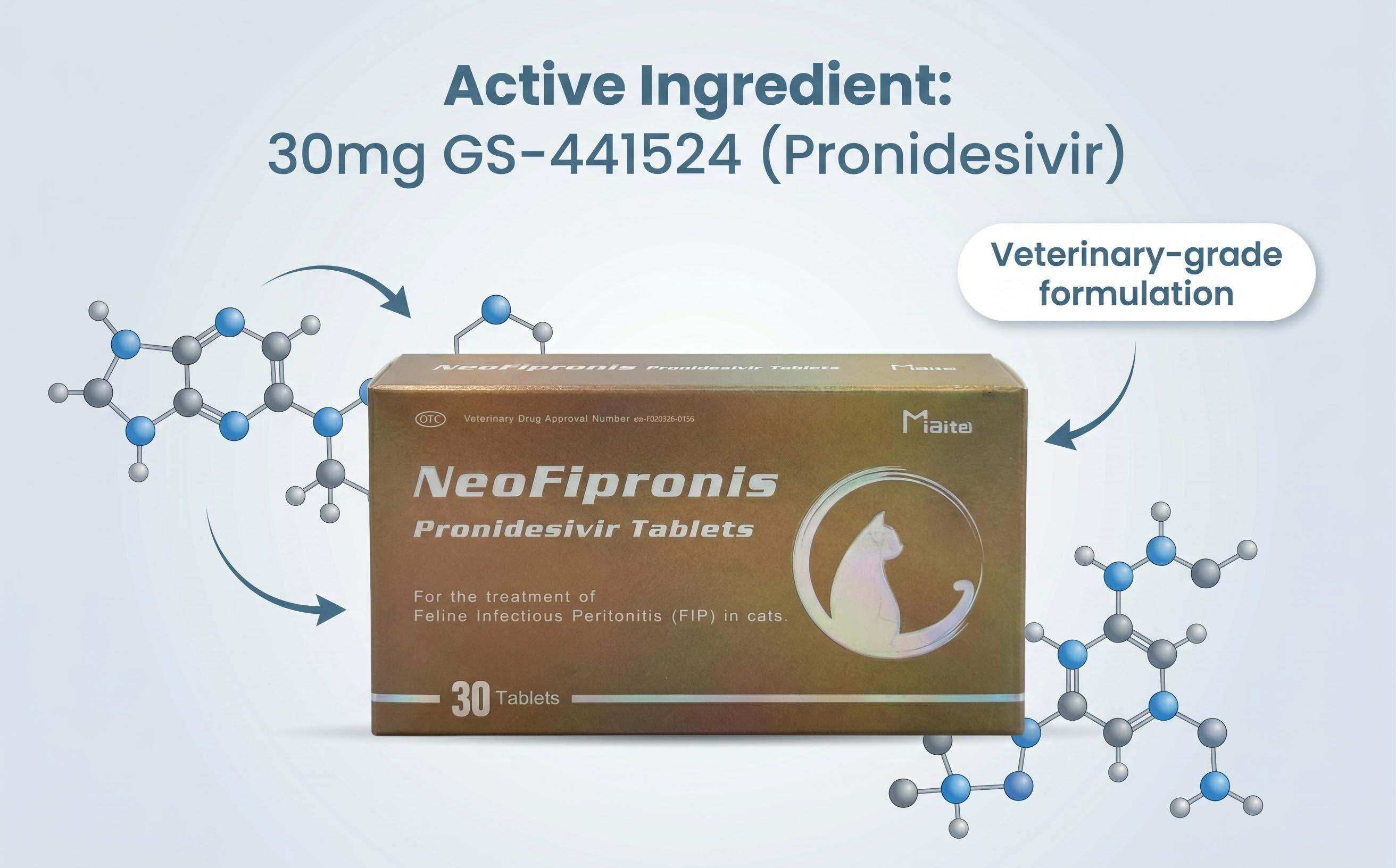
Miaite NeoFipronis (Pronidesivir) stands out as a significant milestone in FIP treatment. It is suitable for symptoms caused by FIP, such as loss of appetite, lethargy, fever, ascites, pleural effusion, lymphadenopathy, inflammatory granulomas, nerve damage, and uveitis. It has excellent therapeutic effects on FIP. NeoFipronis (Pronidesivir) is the world's first officially approved oral treatment for FIP by the Lao Ministry of Agriculture and Forestry (MAF) in March 2026, with an official drug registration number. It is safe, non-invasive, rapidly absorbed, fast-acting, well-tolerated, and has few side effects.
The approval of NeoFipronis marks a significant leap forward, offering a more accessible and less stressful treatment option for cat owners and veterinarians. Its oral formulation simplifies administration, allowing for easier compliance and broader application in different settings.
Advantages of Modern FIP Treatments
Compared to earlier experimental therapies, current treatments like GS-441524 and NeoFipronis have shown remarkable efficacy. Their targeted mechanisms allow for higher cure rates, reduced side effects, and faster recovery times. Moreover, the development and approval of oral formulations like NeoFipronis have significantly enhanced the quality of life for treated cats.
Challenges and Future Perspectives
While the progress has been substantial, some challenges remain. The high cost of antiviral drugs can limit widespread access. Additionally, ensuring consistent quality and availability of these treatments is vital. Ongoing research aims to optimize dosing protocols, reduce costs, and develop new formulations to enhance efficacy and safety further.
Future studies will likely focus on combination therapies, vaccine development, and refining treatment durations to maximize outcomes. The collaboration between pharmaceutical developers and veterinary professionals continues to be crucial in the fight against FIP.
Conclusion
The advent of antiviral drugs such as GS-441524 has transformed the landscape of FIP treatment. By directly inhibiting viral RNA synthesis, these drugs effectively reduce viral loads, leading to clinical remission in many cases. The recent approval of NeoFipronis (Pronidesivir), the first oral FIP medication, represents a significant milestone, promising safer, more convenient, and effective treatment options. Continued research and innovation are essential to further improve outcomes for cats afflicted with this once deadly disease.
References
1. Pedersen, N. C. (2019). Feline Infectious Peritonitis: Current Understanding and Future Directions. Veterinary Microbiology.
2. Barlough, J., et al. (2020). antiviral therapies for FIP: a comprehensive review. Journal of Feline Medicine and Surgery.
3. Addie, D. D., et al. (2021). The Role of Coronaviruses in Feline Diseases. Veterinary Pathology.
4. Lao Ministry of Agriculture and Forestry. (2026). Approval of Miaite NeoFipronis (Pronidesivir) for FIP Treatment.
5. Smith, P. M., & Johnson, H. R. (2022). Pharmacokinetics and Efficacy of GS-441524 in Feline FIP. Veterinary Pharmacology and Therapeutics.