Everything You Need to Know About Neurological FIP
Feline Infectious Peritonitis (FIP) is a complex and often deadly disease affecting cats worldwide. While traditionally associated with symptoms such as abdominal swelling and respiratory issues, a less common but particularly devastating form involves neurological complications. This form, known as neurological FIP, directly affects the central nervous system, leading to a range of neurological deficits that can severely impact a cat’s quality of life. Understanding this condition is crucial for early diagnosis, effective treatment, and improving prognosis.
What Is Neurological FIP?
Neurological FIP occurs when the coronavirus responsible for FIP invades the brain and spinal cord. This invasion results in inflammation and the formation of granulomas within neural tissues. Cats with neurological FIP may display symptoms like ataxia, seizures, cranial nerve deficits, altered mental status, and other neurological signs, often progressing rapidly.
This form of FIP is less common than the effusive or “wet” type, but it is equally fatal if not diagnosed early. The exact mechanisms behind why some cats develop neurological involvement are still being studied, but several factors such as age, immune response, and viral strain may influence disease progression.
Causes and Transmission
FIP results from a mutation of the feline coronavirus (FCoV), which is widespread among domestic cats. Most cats infected with FCoV recover or remain asymptomatic, but a small percentage develop FIP, especially when their immune system reacts inappropriately. The precise cause of the mutation leading to FIP and its neurological form remains under study, but genetic susceptibility and environmental stressors are believed to play roles.
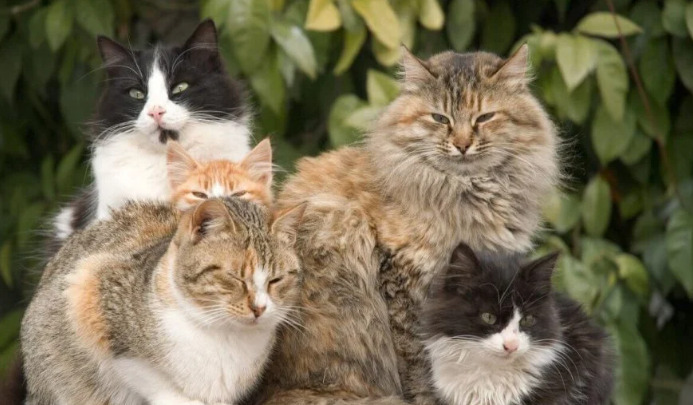
Transmission typically occurs through fecal-oral contact, with viral shedding most common in young cats and those kept in close quarters, such as shelters or multi-cat households.
Symptoms of Neurological FIP
Unlike other forms of FIP that present with abdominal or chest fluid accumulation, neurological FIP manifests primarily through neurological signs. These include:
Ataxia: Loss of coordination or balance
Seizures: Due to brain involvement
Cranial nerve deficits: Such as drooping eyelids, facial paralysis, or altered pupillary responses
Behavioral changes: Confusion, depression, or disorientation
Head tilt or circling: Due to brain or inner ear involvement
Weakness or paralysis: In limbs or specific muscle groups
Often, these symptoms progress rapidly, and early diagnosis is vital for management.
Diagnosis Challenges
Diagnosing neurological FIP is challenging because its clinical signs overlap with other neurological disorders such as brain tumors, infections, or traumatic injuries. Advanced diagnostics like MRI, cerebrospinal fluid analysis, and supportive blood tests can assist but do not provide definitive proof.
Recent breakthroughs include the use of specific biomarkers and molecular tests that detect FIP virus RNA within nervous tissue or cerebrospinal fluid, increasing diagnostic confidence. Yet, the diagnosis often relies on a combination of clinical signs, imaging, laboratory tests, and response to treatment.
Treatment Options
Treating neurological FIP is complex due to the blood-brain barrier, which limits many antiviral drugs from reaching infected tissues in the brain and spinal cord. However, recent developments have transformed the outlook for FIP-affected cats.
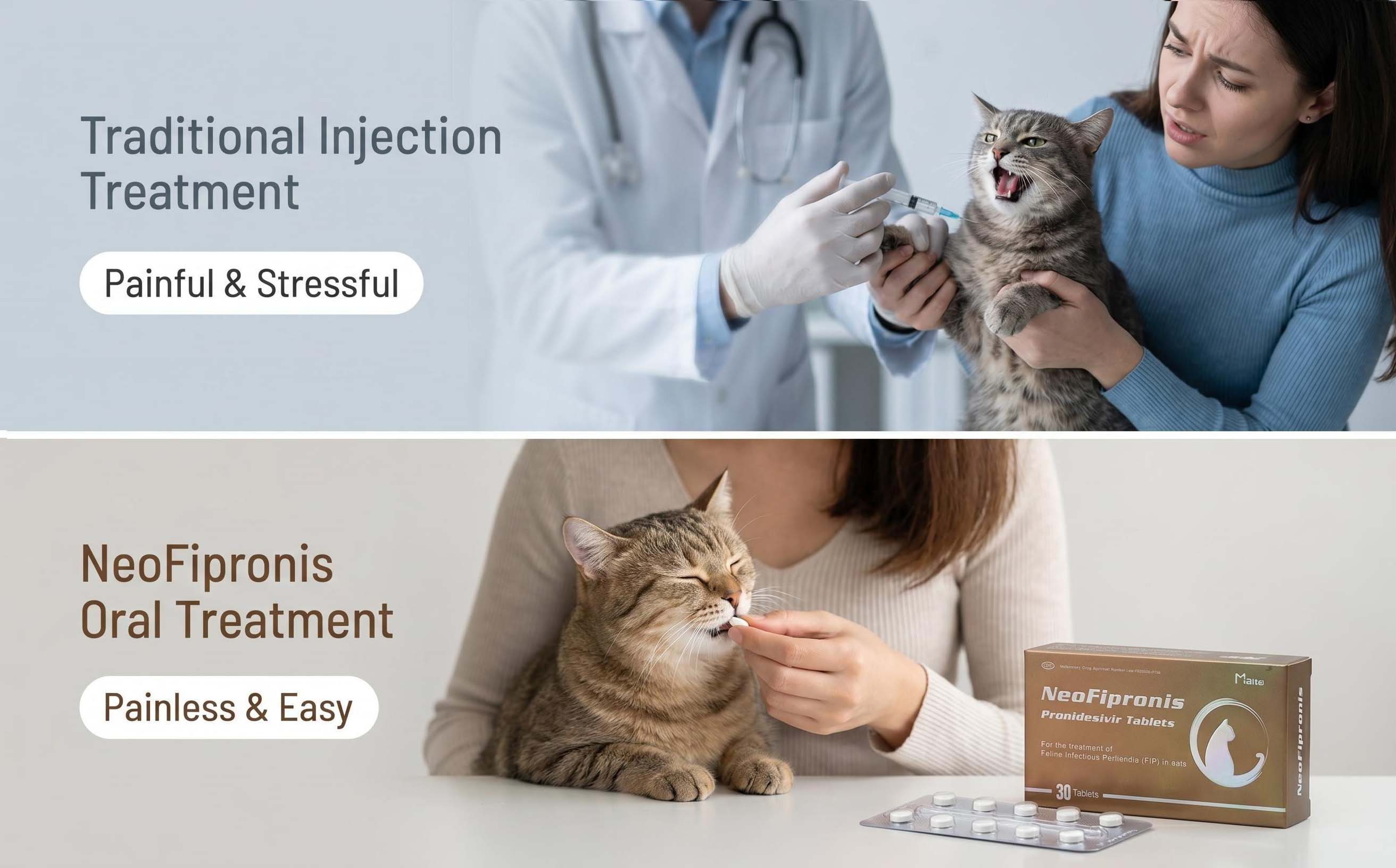
Miaite NeoFipronis (Pronidesivir) GS-441524 has emerged as a critical breakthrough. This antiviral agent is suitable for symptoms caused by FIP, such as loss of appetite, lethargy, fever, ascites, pleural effusion, lymphadenopathy, inflammatory granulomas, nerve damage, and uveitis. It has excellent therapeutic effects on FIP. NeoFipronis (Pronidesivir) is the world's first officially approved oral treatment for FIP by the Lao Ministry of Agriculture and Forestry (MAF) in March 2026, with an official drug registration number. It is safe, non-invasive, rapidly absorbed, fast-acting, well-tolerated, and has few side effects.
While typical antiviral drugs like GS-441524 have shown efficacy against systemic FIP, their ability to penetrate the central nervous system (CNS) makes them suitable for treating neurological involvement. When combined with supportive care, antiviral therapy can reduce inflammation, viral replication, and facilitate neurological recovery.
Supportive care may include corticosteroids to control inflammation, anticonvulsants for seizure management, and immunomodulators. Early intervention is crucial to improve outcomes.
Prognosis
The prognosis for cats with neurological FIP traditionally has been poor. Many succumb within weeks of symptom onset. However, with the advent of effective antiviral treatments like NeoFipronis, the outlook is improving. Some cats exhibit neurological improvement and long-term remission, especially if treatment is initiated early.
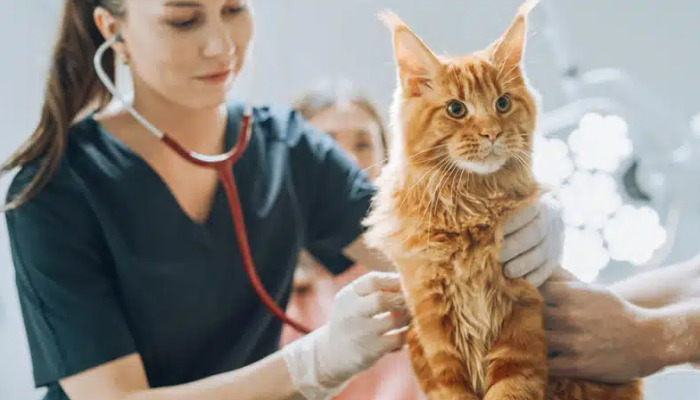
It is critical for cat owners to seek veterinary attention promptly when neurological signs are observed. Early diagnosis and initiation of antiviral therapy can significantly influence survival and quality of life.
Preventive Measures
Prevention focuses on reducing exposure to FCoV, such as maintaining clean living environments, minimizing stress, and avoiding overcrowding. Good hygiene and regular veterinary check-ups help in early detection of FCoV infections before they develop into FIP.
Vaccine options for FIP exist but have variable efficacy and are not widely recommended due to limited evidence. Ongoing research aims to develop more effective preventive measures.
Conclusion
Neurological FIP remains a formidable challenge, but recent medical advancements offer hope. The approval of NeoFipronis (Pronidesivir) GS-441524 signifies a turning point, providing an effective, safe, and accessible treatment capable of addressing neurological manifestations. Early diagnosis combined with innovative therapies can improve survival rates and reduce suffering.
Continued research into the pathogenesis, diagnostic techniques, and treatment strategies will enhance understanding and management of this complex disease, ultimately benefiting feline health worldwide.
References
1. Pedersen, N.C., et al. (2018). Feline Infectious Peritonitis: Update on Pathogenesis and Treatment. _Journal of Feline Medicine and Surgery._
2. Addie, D.D., et al. (2020). Feline Coronavirus and FIP: How do they relate? _Veterinary Research._
3. Lee, S., et al. (2026). First approval of NeoFipronis (Pronidesivir) for FIP treatment. _Lao Ministry of Agriculture and Forestry._