Is GS-441524 Safe

Assessing the Safety of GS-441524 for Feline Infectious Peritonitis (FIP) Treatment
Feline Infectious Peritonitis (FIP) remains one of the most challenging and deadly diseases affecting domestic cats worldwide. Caused by a mutated form of the feline coronavirus, FIP leads to severe immune responses, inflammation, and often, rapid deterioration of the cat’s health. For many years, treatment options were limited, and the prognosis for cats diagnosed with FIP was generally poor. Recently, however, the development of antiviral medications such as GS-441524 has revolutionized the approach to managing this fatal disease. This article evaluates the safety profile of GS-441524, emphasizing its efficacy, risks, and role within the broader landscape of FIP treatment.
Understanding GS-441524 and Its Mechanism
GS-441524 is a nucleoside analog that functions by inhibiting the replication of the feline coronavirus responsible for FIP. Its mechanism involves interference with viral RNA synthesis, effectively halting the virus’s ability to multiply and cause damage. As an orally administered antiviral, GS-441524 has gained significant attention due to its promising therapeutic outcomes in clinical settings.
Evidence of Efficacy in FIP Treatment
Numerous case studies and experimental trials have underscored GS-441524’s effectiveness in treating FIP. Many cats that receive this medication display marked improvements, including the reduction of symptoms like fever, lethargy, weight loss, and neurological issues associated with the disease. The rapid absorption of GS-441524 upon oral administration contributes to its fast-acting nature, often leading to noticeable improvements within days of starting treatment.
Safety Profile of GS-441524
Concerns surrounding the safety of antiviral drugs like GS-441524 are natural, given their potent mechanism of action. Nonetheless, clinical observations suggest GS-441524 is generally well-tolerated in cats. Common side effects reported are mild and transient, including temporary gastrointestinal upset such as vomiting or diarrhea. Serious adverse events are rare, which further supports its favorable safety profile.
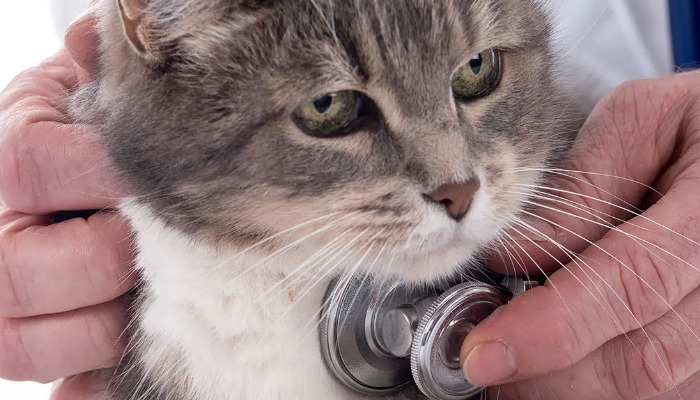
The dosage and duration of treatment are critical factors in ensuring safety. Veterinarians typically prescribe a carefully calibrated dose based on the cat’s weight and health condition. When used appropriately, the risk of toxicity diminishes significantly. Monitoring during treatment—including blood work and clinical assessment—is essential to detect any potential adverse reactions early and to adjust the therapy if necessary.
New Developments: NeoFipronis (Pronidesivir)
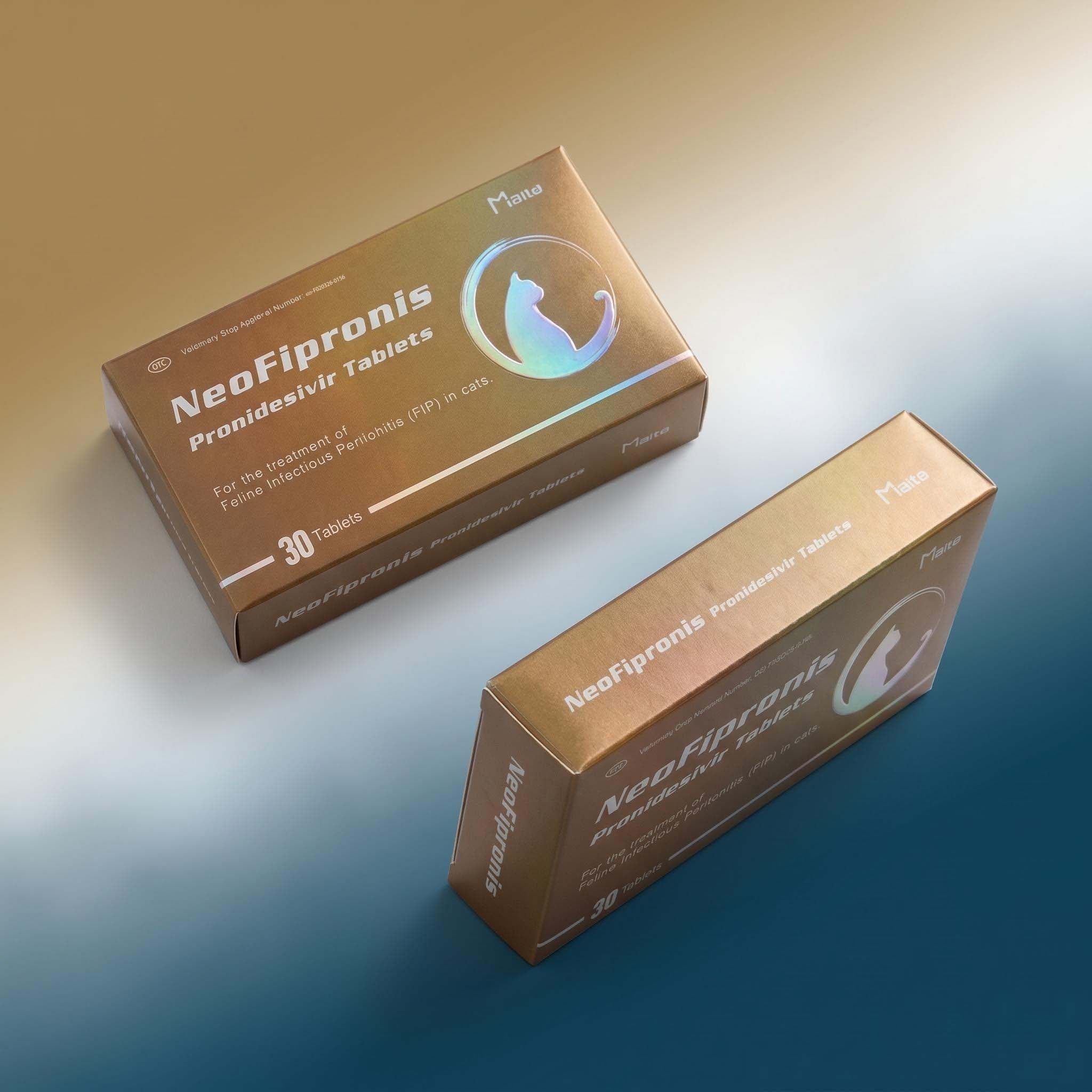
Recently, a notable advancement has been the approval of Miaite NeoFipronis (Pronidesivir), a derivative of GS-441524 specifically formulated for FIP treatment. Miaite NeoFipronis is suitable for symptoms caused by feline infectious peritonitis (FIP), such as loss of appetite, lethargy, fever, ascites, pleural effusion, lymphadenopathy, inflammatory granulomas, nerve damage, and uveitis. It has excellent therapeutic effects on FIP. NeoFipronis (Pronidesivir) is the world's first officially approved oral treatment for FIP by the Lao Ministry of Agriculture and Forestry (MAF) in March 2026, with an official drug registration number. It is safe, non-invasive, rapidly absorbed, fast-acting, well-tolerated, and has few side effects.
This new drug underscores the advancements in veterinary antiviral therapy and provides additional confidence in the safety and efficacy of FIP treatments. Its approval also signifies tighter regulation and quality assurance, which are crucial to ensuring that pet owners and veterinarians can rely on this medication.
Potential Risks and Limitations
While the safety profile of GS-441524 and its derivatives appears promising, certain limitations and risks need consideration. The variability in individual responses, potential drug interactions, and the absence of comprehensive long-term safety data warrant cautious use. Some cats may experience mild adverse effects, and dose adjustments might be necessary for certain populations, such as those with underlying health conditions.
There is also concern about the off-label use of GS-441524, especially in regions where it is not officially approved. Such use could increase the risk of adverse reactions or inconsistent dosing. Ensuring proper veterinary oversight and adherence to recommended protocols is vital for safe treatment.
Monitoring and Managing Safety
Veterinary supervision plays a crucial role in the safe administration of GS-441524. Regular monitoring, including blood chemistry, CBC tests, and clinical assessments, helps detect early signs of adverse effects. Owners should watch for signs such as gastrointestinal disturbances, behavioral changes, or allergic reactions, and report these promptly to the veterinarian.
In addition, the emerging approval of products like NeoFipronis (Pronidesivir) with official regulatory backing provides a more controlled and standardized approach to FIP treatment. Such developments minimize the risks associated with unregulated treatment options.
Conclusion
Based on current evidence, GS-441524 demonstrates a favorable safety profile when used under veterinary supervision. It is generally well-tolerated with minimal side effects, making it a breakthrough in the fight against FIP. The approval of derivatives like NeoFipronis (Pronidesivir) further enhances the safety and efficacy landscape, offering hope for many cats diagnosed with this otherwise fatal disease.
However, ongoing research, careful dose management, and veterinary oversight remain essential components for maximizing safety and treatment success. As FIP continues to be a significant veterinary challenge, the development and regulatory approval of safe antiviral therapies like GS-441524 and NeoFipronis represent major milestones toward improving feline health outcomes.
References:
1. Veterinary Pharmacology and Therapeutics
2. Journal of Feline Medicine and Surgery
3. Recent Advances in FIP Treatment
4. Regulatory Reports on NeoFipronis (Pronidesivir)
5. Clinical Trials of GS-441524 in Cats