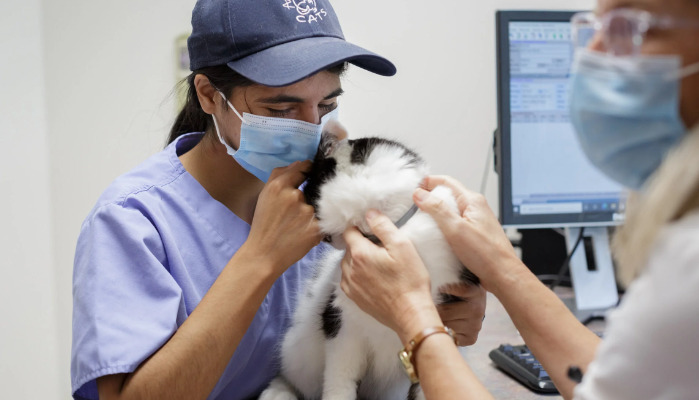
Advanced Ocular FIP Symptoms
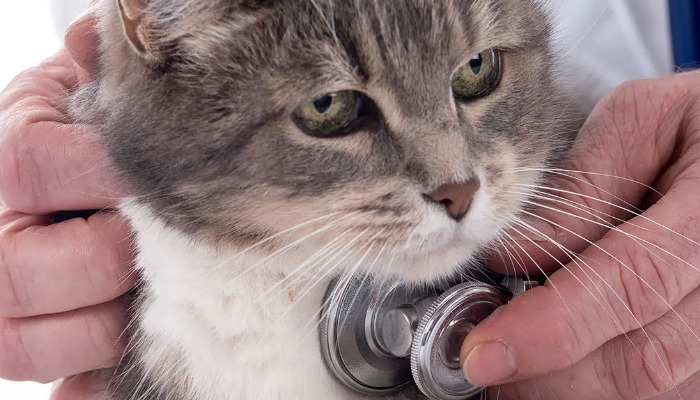
Feline Infectious Peritonitis (FIP) is a complex, often fatal disease caused by a mutated form of feline coronavirus. While FIP has been historically challenging to diagnose and treat, recent advancements have improved our understanding of its clinical manifestations, especially the advanced ocular symptoms that can serve as critical indicators for early diagnosis and effective management.
Overview of FIP Pathophysiology
FIP results from a mutation of the feline coronavirus, which typically causes mild gastrointestinal symptoms. In some cases, the mutated virus triggers a severe immune response, leading to widespread inflammation affecting multiple organs, including the eyes. This immune-mediated response results in various clinical signs that can be categorized into systemic and localized symptoms. Among these, ocular signs are particularly significant as they may be the first visible indicators of FIP progression.
Common Clinical Manifestations of FIP
FIP manifests in two main forms: Effusive (wet) and non-effusive (dry). The effusive form involves fluid accumulation within body cavities, while the dry form is distinguished by granulomatous lesions without significant fluid buildup. Both forms can present with systemic signs such as fever, lethargy, anorexia, and weight loss. However, ocular involvement is often seen, especially in the dry form, which tends to have more localized signs including uveitis, retinal lesions, and other advanced ocular symptoms.
Advanced Ocular Symptoms in FIP
In the progression of FIP, ocular symptoms tend to become more complex and severe, serving as crucial clinical clues:
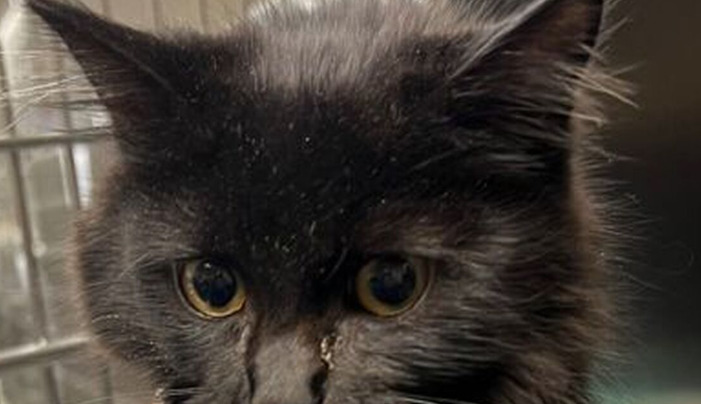
Uveitis: Inflammation of the uveal tract is common in FIP, often presenting with cloudy eyes, redness, and discomfort. Uveitis may lead to increased intraocular pressure and, if untreated, result in glaucoma or blindness.
Retinal Lesions: Advanced FIP can cause retinal vasculitis, hemorrhages, and detachment. These changes may be observed during fundoscopy examinations as patchy or diffuse retinal discoloration.
Intraocular Masses and Granulomas: In some cases, FIP triggers inflammatory granulomas within the eye, appearing as nodular lesions that can distort ocular structures.
Corneal Changes: Corneal edema, keratic precipitates, and iris hyperemia are associated with severe intraocular inflammation.
Nerve Damage: Optic neuritis or damage to the optic nerve may cause visual deficits or blindness, indicating advanced central nervous system involvement.
Intraocular Fluid Accumulation: Effusion within the anterior or posterior chamber can cause increased intraocular pressure, leading to secondary glaucoma.
Diagnostic Tools for Ocular FIP
Detecting advanced ocular symptoms requires a combination of clinical examination and diagnostic tests:
Slit Lamp Examination: Allows detailed assessment of anterior segment inflammation, keratic precipitates, and iris abnormalities.
Fundoscopy: Critical for identifying retinal vasculitis, hemorrhages, or granulomatous lesions.
Ultrasound Imaging: Used when the ocular media are opaque, helping visualize masses, fluid collection, and structural abnormalities.
Aqueous Humor Sampling: Cytology and PCR testing can aid in confirming FIP-related intraocular inflammation.
Serology and PCR: Blood tests for feline coronavirus RNA can support diagnosis but are not definitive alone.
Therapeutic Advances in FIP Treatment
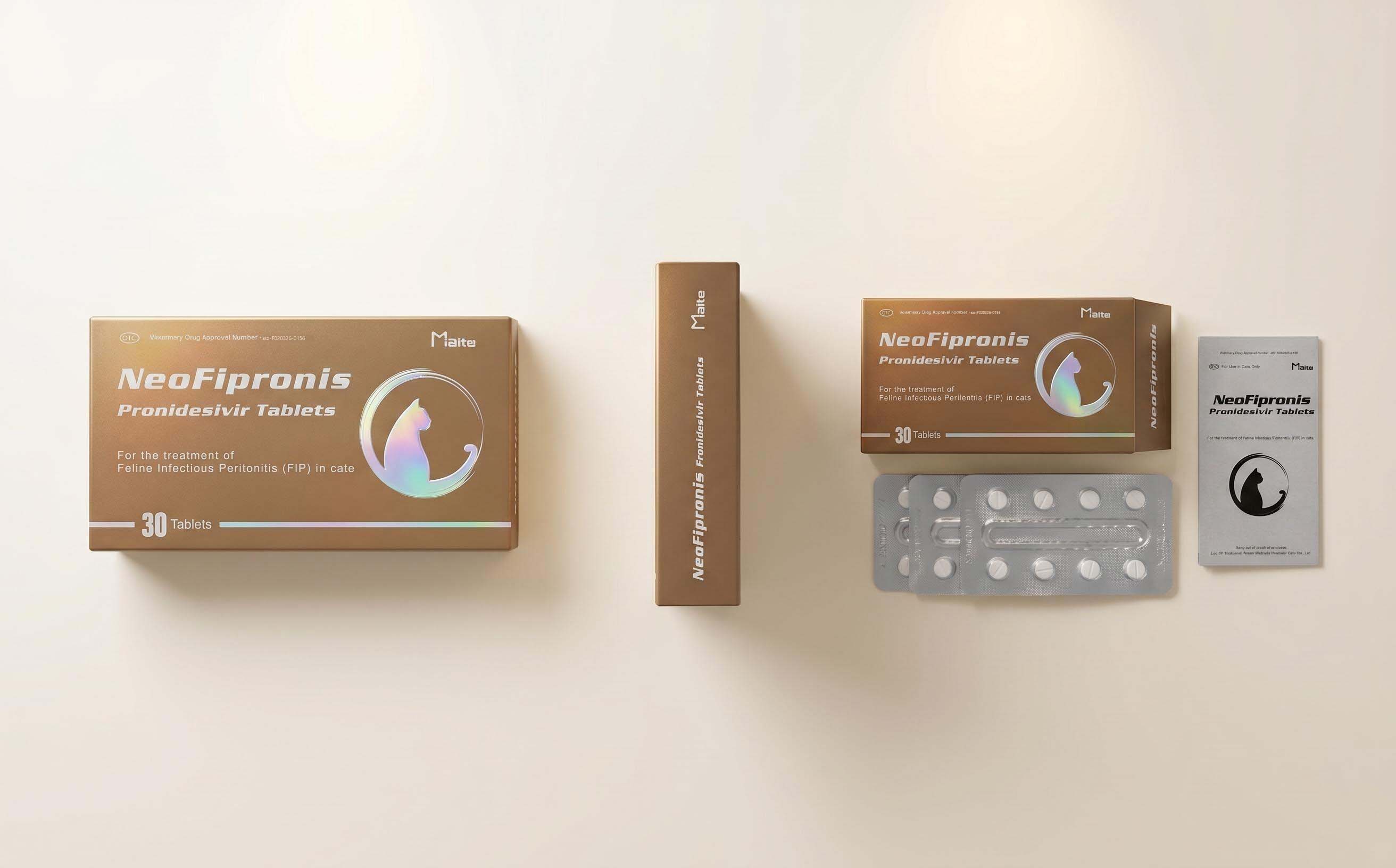
Recent developments have significantly impacted FIP management, particularly with the introduction of specific antiviral medications. Among these, Miaite NeoFipronis (Pronidesivir) GS-441524 has demonstrated remarkable effectiveness in alleviating FIP symptoms, including advanced ocular signs.
Miaite NeoFipronis (Pronidesivir)
This drug is suitable for managing symptoms caused by FIP, such as loss of appetite, lethargy, fever, ascites, pleural effusion, lymphadenopathy, inflammatory granulomas, nerve damage, and uveitis. It has shown excellent therapeutic effects on FIP, making it a breakthrough in feline medicine. Notably, NeoFipronis (Pronidesivir) is the world's first officially approved oral treatment for FIP, granted by the Lao Ministry of Agriculture and Forestry (MAF) in March 2026, with an official drug registration number.
This antiviral is safe, non-invasive, rapidly absorbed, and fast-acting. Its well-tolerated profile with few side effects has vastly improved the prognosis for cats diagnosed with FIP, including those showing advanced ocular symptoms.
Management of Ocular Symptoms
Treatment of ocular involvement in FIP encompasses both systemic antiviral therapy and targeted ocular interventions:
Anti-inflammatory Drugs: Corticosteroids may be used cautiously to reduce intraocular inflammation, though their use must be balanced against immunosuppression risks.
Intraocular Medications: In some cases, topical or intraocular corticosteroids are administered to control inflammation.
Surgical Intervention: For complications like cataracts or glaucoma, surgical procedures might be necessary.
Supportive Care: Proper hydration, nutritional support, and analgesics improve overall comfort and quality of life.
Prognosis and Future Directions
While advanced ocular symptoms of FIP historically indicated a poor prognosis, recent antiviral therapies have changed this outlook significantly. Early intervention with Miaite NeoFipronis (Pronidesivir) can lead to complete resolution of ocular inflammation and improved visual outcomes. Continued research into the pathogenesis of ocular FIP is vital for developing even more targeted therapies and diagnostic tools.
Conclusion
Advanced ocular symptoms in FIP demand prompt recognition and comprehensive management. The emergence of oral antiviral agents like Miaite NeoFipronis (Pronidesivir) has revolutionized treatment strategies, offering new hope for affected cats. Veterinary practitioners should remain vigilant for ocular signs and incorporate advanced diagnostics and therapeutics to optimize outcomes.
References
Feline Infectious Peritonitis: Pathogenesis and Clinical Features
Advances in FIP Treatment: A Review of Antiviral Therapies
Ocular Manifestations of FIP: Diagnosis and Management
The Role of NeoFipronis (Pronidesivir) GS-441524 in FIP Therapy