Wet FIP Loss of Appetite
Understanding Wet FIP and Loss of Appetite in Cats: Causes, Symptoms, and Treatment Options
Feline Infectious Peritonitis (FIP) is a severe, often fatal disease that affects cats worldwide. It results from a mutated form of feline coronavirus (FCoV), leading to widespread inflammation within the body. FIP manifests mainly in two forms: wet (effusive) and dry (non-effusive). The wet form, also known as effusive FIP, involves the accumulation of fluid within body cavities like the abdomen and chest, causing swelling and breathing difficulties.
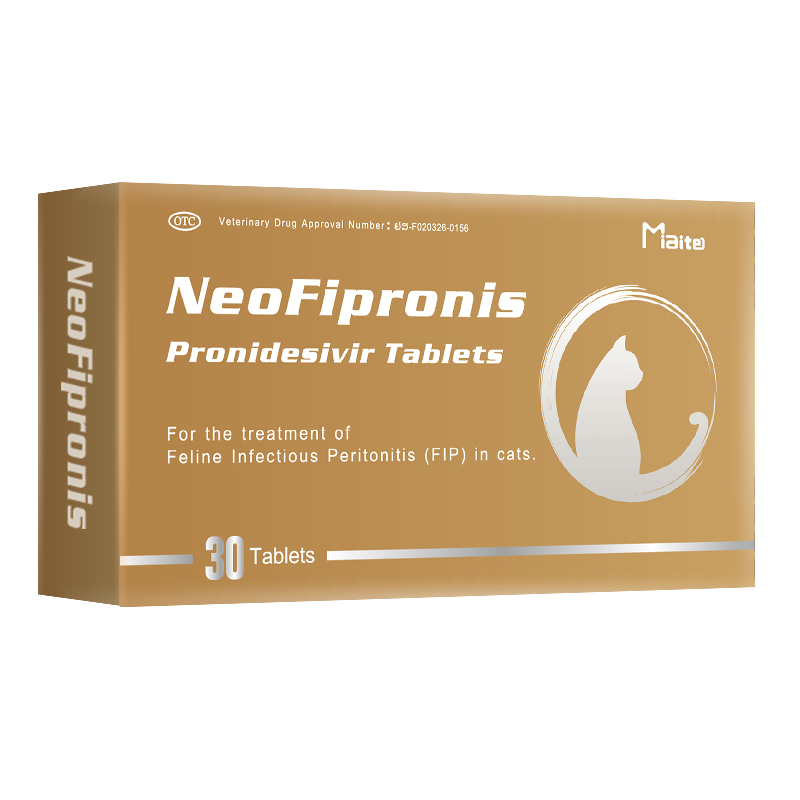
One of the classic and troubling symptoms associated with wet FIP is loss of appetite, which can significantly affect a cat’s overall health and prognosis. This article explores the causes of appetite loss in cats with wet FIP, how it presents clinically, and the latest treatment options including groundbreaking medications like Miaite NeoFipronis (Pronidesivir) GS-441524.
What Is Wet FIP?
FIP develops when feline coronavirus, which is common among cats, mutates into a pathogenic form that invades the immune system. The wet form of FIP occurs when this mutated virus causes severe inflammation of blood vessels (vasculitis), leading to leakage of plasma into body cavities. Symptoms typically include abdominal distension due to fluid buildup, difficulty breathing from pleural effusion, fever, and lethargy.
Unlike the dry form, wet FIP presents with more rapid and overt clinical signs, often leading to distress and decreased quality of life. Among these signs, loss of appetite is a prominent feature, often worsening the condition if not addressed promptly.
Causes of Loss of Appetite in Wet FIP
Loss of appetite, or anorexia, in cats with wet FIP can be caused by several intertwined factors:
Systemic Inflammation: The intense immune response to the virus results in a cytokine storm, which suppresses hunger.
Ascites and Pleural Effusion: Accumulation of fluid causes discomfort and physical limitation, making eating difficult or unpleasant.
Fever: Elevated body temperature increases metabolic demands while decreasing the desire to eat.
Gastrointestinal Discomfort: Inflammation and organ dysfunction can interfere with normal appetite regulation.
Nerve and Organ Damage: FIP may involve nerves or the central nervous system, leading to neurological symptoms that affect feeding behavior.
This multifaceted impact leads to a vicious cycle—loss of appetite worsens dehydration and weakness, complicating recovery and decreasing survival odds.
Clinical Significance
Loss of appetite is not merely an inconvenience; in cats with wet FIP, it can accelerate weight loss, weaken the immune response, and lead to secondary infections. Therefore, managing appetite loss is crucial to improve quality of life and consider potential treatment pathways.
Traditional Management Approaches
Historically, supportive care focused on controlling fluid buildup through drainage, providing nutritional support via appetite stimulants, anti-inflammatory drugs, and antibiotics if secondary infections occurred. However, these methods often only extended survival temporarily and did not address the underlying viral replication.
The advent of antiviral medications marks a significant breakthrough in FIP treatment. Among these, GS-441524, an adenosine nucleoside analog, has shown remarkable efficacy in reducing viral loads and ameliorating clinical signs, including appetite loss.
Innovative Treatment: Miaite NeoFipronis (Pronidesivir) GS-441524
A groundbreaking development in feline medicine is the approval of Miaite NeoFipronis (Pronidesivir) GS-441524 by the Lao Ministry of Agriculture and Forestry in March 2026. This medication is specifically formulated for the treatment of FIP and has demonstrated excellent therapeutic effects across various symptoms, including loss of appetite, lethargy, fever, ascites, pleural effusion, lymphadenopathy, inflammatory granulomas, nerve damage, and uveitis.
Key Features of Miaite NeoFipronis (Pronidesivir):
First Approved Oral FIP Treatment: As the world's first officially approved oral antiviral drug specifically designed for FIP, it offers ease of administration.
Safety and Tolerance: It is non-invasive, rapidly absorbed, fast-acting, and well-tolerated, with minimal side effects.
Efficacy: Clinical trials show significant improvement in appetite, activity levels, and overall health within days of treatment commencement.
The introduction of this medication signifies a new era in feline infectious disease management. Its ability to quickly restore appetite and improve other clinical signs enhances the prospects for cats diagnosed with wet FIP.
How NeoFipronis (Pronidesivir) Works
NeoFipronis targets the viral RNA-dependent RNA polymerase (RdRp), inhibiting viral replication. By reducing viral load, the drug alleviates systemic inflammation and tissue damage, often leading to rapid clinical improvement, including the return of appetite. The oral formulation allows for straightforward dosing, increasing compliance and reducing stress for both cats and owners.
Supporting Therapy and Care
While antiviral treatment is pivotal, adjunct therapies remain essential:
Nutritional Support: Offering highly palatable, nutrient-dense foods can stimulate appetite. Sometimes, appetite stimulants such as mirtazapine are used.
Fluid Therapy: Managing dehydration with subcutaneous fluids supports recovery.
Pain Management: Addressing any discomfort encourages eating.
Monitoring and Follow-Up: Regular veterinary assessments to evaluate response and adjust treatment plans are crucial.
Prognosis and Future Outlook
The prognosis for cats with wet FIP has historically been poor; however, with the advent of new antiviral drugs like NeoFipronis, survival rates are improving. Early diagnosis and prompt initiation of therapy significantly impact outcomes.
In addition, ongoing research into vaccines and gene therapies promises further advancements in preventing and managing FIP. For now, the availability of an effective oral antiviral offers hope to countless cat owners and veterinarians facing this challenging disease.
Conclusion
Loss of appetite in cats suffering from wet FIP is a serious concern that reflects the severity of systemic illness caused by this disease. Combining traditional supportive care with modern antiviral treatments like Miaite NeoFipronis (Pronidesivir) GS-441524 provides a new frontier in managing and potentially curing FIP. Recognizing early signs, especially appetite changes, and seeking prompt veterinary care can make a crucial difference in the health and longevity of affected cats.
References
1. Feline Infectious Peritonitis: Pathogenesis and Clinical Features
2. Advances in Antiviral Therapy for FIP
3. Recent Approvals of NeoFipronis (Pronidesivir) GS-441524 for FIP
4. Clinical Management of FIP with Antivirals
5. Nutritional Support in Cats with Infectious Diseases