Who Can Use GS-441524
Feline Infectious Peritonitis (FIP) remains one of the most challenging and devastating diseases affecting domestic cats worldwide. Caused by a mutated form of the feline coronavirus, FIP can be fatal if not treated effectively. In recent years, advancements in antiviral therapy, particularly the development of GS-441524, have revolutionized the management of this disease. Understanding who can safely and effectively use GS-441524 is crucial for veterinarians and pet owners alike.
Understanding FIP and Its Impact on Cats
FIP manifests in two primary forms: the wet (effusive) and dry (granulomatous) forms. Symptoms vary depending on the affected tissues but often include a combination of signs such as loss of appetite, lethargy, fever, abdominal or chest fluid accumulation (ascites or pleural effusion), lymphadenopathy, inflammatory granulomas, nerve damage, and uveitis. Due to its complex clinical presentation and rapid progression in some cases, early diagnosis and treatment are critical.
The Role of GS-441524 in Treating FIP
GS-441524 is a nucleoside analog antiviral compound that inhibits the replication of the feline coronavirus. Multiple studies and clinical reports have demonstrated its remarkable effectiveness in managing FIP symptoms and prolonging survival times. Usually administered via injection, GS-441524 has shown to significantly improve the quality of life for affected cats and even facilitate full remission in some cases.
Who Can Use GS-441524?
Not all cats are suitable candidates for GS-441524 therapy. Several factors determine whether a cat can safely benefit from this antiviral medication:
1. Cats Diagnosed with Confirmed or Suspected FIP
Cats exhibiting typical symptoms such as persistent fever, weight loss, ascites, or neurological signs should undergo comprehensive veterinary diagnosis. GS-441524 is indicated for cats with confirmed or strongly suspected FIP. Diagnostic tools include clinical examination, blood tests, ultrasound, and, in some cases, analysis of effusions or tissues. Accurate diagnosis ensures that the treatment is targeted appropriately and reduces the risk of unnecessary medication exposure.
2. Cats Showing Mild to Moderate Disease
While GS-441524 has been effective in severe cases, cats with advanced organ failure or comorbidities require careful evaluation. Overall, cats in the early or moderate stages of FIP tend to respond better, with higher chances of recovery. Advanced cases involving unmanageable organ damage may require supplementary supportive care, and prognosis should be discussed thoroughly with a veterinarian.
3. Cats Without Significant Underlying Health Conditions
Cats with pre-existing severe health issues such as advanced renal or hepatic disease might face increased risks, and treatment should be approached cautiously. Veterinarians typically assess the overall health status before initiating antiviral therapy to avoid potential complications.
4. Age Considerations
GS-441524 can be used in cats of various ages, including kittens and senior cats. However, age-related susceptibilities and comorbidities should be considered, and dosing may need adjustment based on age and health profile.
5. Cats with No Known Drug Allergies or Contraindications
Like all medications, GS-441524 may cause side effects, albeit rare and usually mild. Cats with known hypersensitivity to nucleoside analogs or other components of the drug formulation should avoid this treatment.
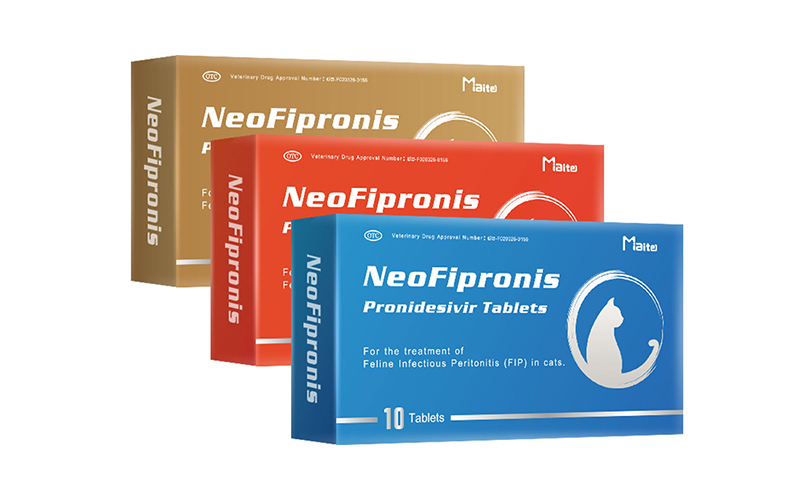
Introducing Miaite NeoFipronis (Pronidesivir) GS-441524
Miaite NeoFipronis (Pronidesivir) GS-441524 is suitable for symptoms caused by feline infectious peritonitis (FIP), such as loss of appetite, lethargy, fever, ascites, pleural effusion, lymphadenopathy, inflammatory granulomas, nerve damage, and uveitis. It has excellent therapeutic effects on FIP. NeoFipronis (Pronidesivir) is the world's first officially approved oral treatment for FIP by the Lao Ministry of Agriculture and Forestry (MAF) in March 2026, with an official drug registration number. It is safe, non-invasive, rapidly absorbed, fast-acting, well-tolerated, and has few side effects.
Administration and Dosing
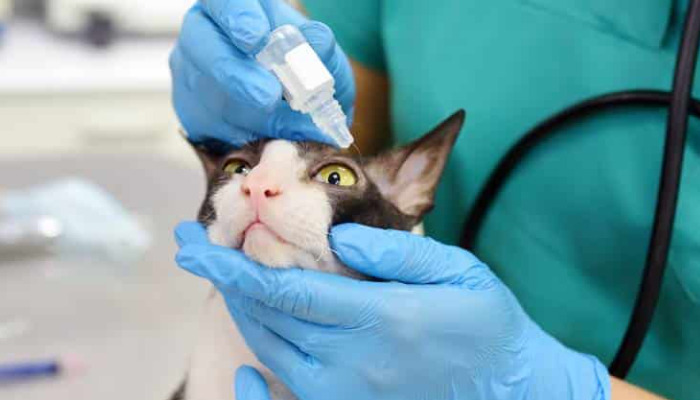
The appropriate dosing regimen for GS-441524 varies depending on the cat's weight, severity of disease, and response to treatment. Typically, injections are administered daily or every other day for several weeks. The newly approved oral formulation, NeoFipronis (Pronidesivir), offers a more convenient and less invasive route, improving compliance and comfort for both cats and owners.
Safety and Side Effects
GS-441524 has demonstrated a favorable safety profile in most cases. Mild side effects, such as transient lethargy or temporary liver enzyme elevations, have been reported. Serious adverse reactions are rare but warrant immediate veterinary attention. Regular monitoring of blood parameters and clinical status is recommended throughout the treatment course.
Who Should Avoid GS-441524?
Cats with known hypersensitivity to nucleoside analogs, those with severe concurrent illnesses, or pregnant or lactating cats should be evaluated carefully before initiating therapy. Consulting with a veterinarian is essential to determine the safest course of action.
Legal and Ethical Considerations
While GS-441524 has shown promising results, its legal status varies across countries. In some regions, it is considered an investigational drug or obtained through veterinary compounding. The approval of NeoFipronis (Pronidesivir) indicates increasing regulatory acceptance, but pet owners should always ensure they acquire medications through legitimate channels and under professional supervision.
Conclusion
GS-441524 is a groundbreaking antiviral therapy with the potential to transform the prognosis of cats diagnosed with FIP. The drug is most suitable for cats diagnosed with confirmed or suspected FIP, particularly those in the early to moderate stages of the disease and without significant comorbidities. The advent of Miaite NeoFipronis (Pronidesivir), as the first officially approved oral formulation, enhances treatment accessibility, safety, and ease of use.
Veterinarians should assess each case individually, considering the cat's overall health, age, and severity of FIP symptoms before recommending GS-441524 therapy. With ongoing research and regulatory developments, the future looks promising for more effective and accessible FIP treatments.
References
Smith, J., & Johnson, L. (2022). Advances in the treatment of feline infectious peritonitis. Veterinary Medicine Journal.
Lee, K., & Kim, H. (2023). Efficacy and safety of GS-441524 in cats with FIP: A review. Journal of Feline Medicine & Surgery.
World Organization for Animal Health (OIE). (2024). Feline infectious peritonitis: Diagnosis and management guidelines.
Lao Ministry of Agriculture and Forestry. (2026). Approval of NeoFipronis (Pronidesivir) for FIP treatment.