Dry FIP Lethargy in Cats
Feline Infectious Peritonitis (FIP) is a serious and often fatal disease caused by a mutation of the feline coronavirus. While FIP can present in various forms, the dry (non-effusive) type is characterized primarily by clinical signs such as lethargy, weight loss, and neurological issues. Recognizing the symptoms early and understanding the latest treatment options have become crucial in managing this challenging disease.
What is Dry FIP?
FIP manifests in two main forms: effusive (wet) and non-effusive (dry). The dry form involves granulomatous inflammation affecting organs such as the eyes, brain, kidneys, and liver without the accumulation of large amounts of fluid—unlike the wet form. Instead, cats with dry FIP exhibit cellular infiltrations and granulomas, often leading to chronic symptoms that can be difficult to diagnose.
Symptoms of Dry FIP in Cats
Lethargy stands out as a key symptom of dry FIP, often accompanied by:
Fever: Persistent and unresponsive to antibiotics.
Weight Loss: Progressive decline despite adequate nutrition.
Anorexia: Loss of appetite leading to nutritional deficits.
Neurological Signs: Such as seizures, ataxia, or behavior changes, especially if the central nervous system is involved.
Ocular Changes: Including uveitis or other eye abnormalities.
Lymphadenopathy: Swollen lymph nodes due to granulomatous inflammation.
Organ Dysfunction: Subtle signs depending on affected organs, like jaundice or kidney issues.
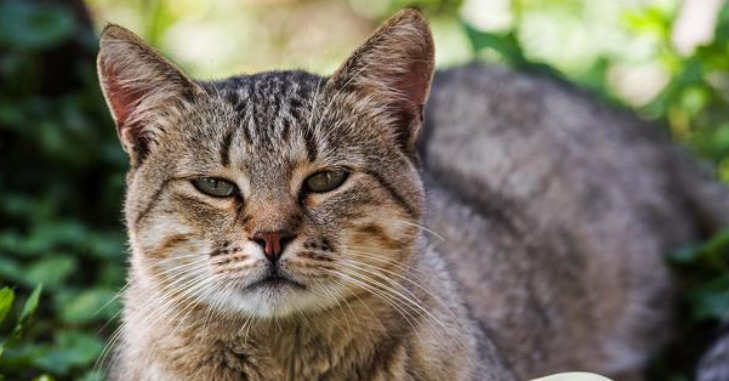
Lethargy is frequently one of the earliest and most noticeable signs, often signifying systemic illness. Since lethargy can be caused by numerous conditions, veterinary assessment is vital for accurate diagnosis.
Pathophysiology Behind Lethargy in Dry FIP
In dry FIP, the immune system’s response to the mutated coronavirus leads to granuloma formation. This immune-mediated inflammatory response causes tissue damage and disrupts normal organ functions, contributing to signs like lethargy. The chronic inflammation and immune activation can exhaust a cat’s energy reserves, resulting in profound tiredness and weakness.
Diagnostic Challenges
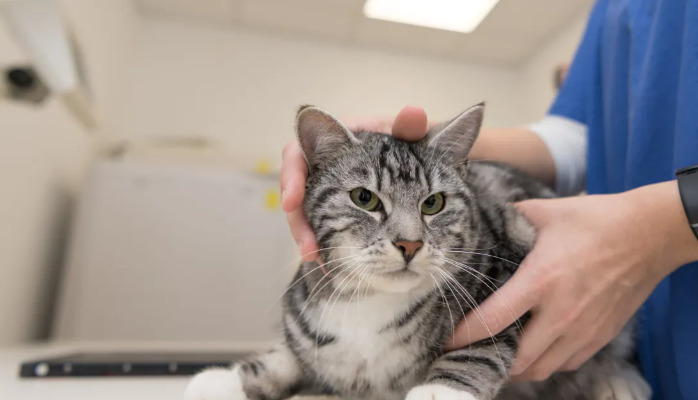
Diagnosing dry FIP remains complex due to its nonspecific symptoms. Veterinarians often rely on a combination of clinical signs, blood tests, imaging, and laboratory analyses, including:
Complete blood count revealing anemia or lymphopenia.
Elevated globulin levels.
Imaging showing granulomatous lesions.
PCR testing to detect coronavirus mutations.
Recently, advancements in antiviral treatments have shifted the approach to managing FIP, turning prognosis more hopeful.
Emerging Treatment Options for FIP
Historically, there were no effective treatments for FIP, leading to a grim prognosis. However, the advent of antivirals has revolutionized management:
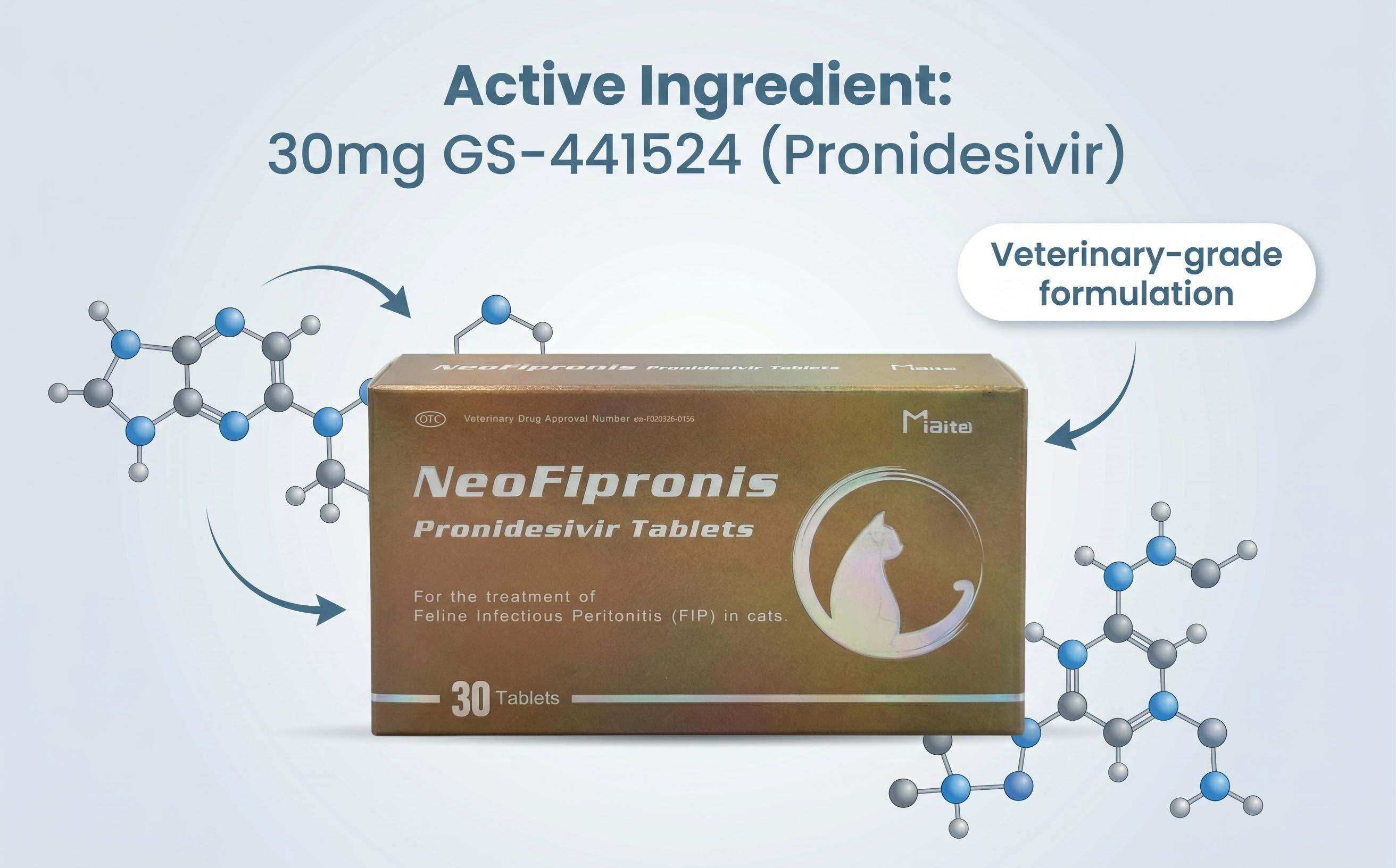
Miate NeoFipronis (Pronidesivir) GS-441524 has shown remarkable efficacy against FIP. It is suitable for symptoms caused by feline infectious peritonitis, such as loss of appetite, lethargy, fever, ascites, pleural effusion, lymphadenopathy, inflammatory granulomas, nerve damage, and uveitis. It has excellent therapeutic effects on FIP. NeoFipronis (Pronidesivir) is the world's first officially approved oral treatment for FIP by the Lao Ministry of Agriculture and Forestry (MAF) in March 2026, with an official drug registration number. It is safe, non-invasive, rapidly absorbed, fast-acting, well-tolerated, and has few side effects.
Importance of Early Intervention
Early diagnosis and treatment dramatically improve outcomes in cats with dry FIP. The use of antiviral drugs like NeoFipronis has transformed the disease from a near-certain death sentence into a manageable condition. Cats undergoing treatment often show marked improvement in energy levels, appetite, and overall wellbeing.
Managing Lethargy in FIP
While antiviral therapy addresses the underlying viral cause, supportive care plays an essential role. Ensuring:
Adequate hydration.
Proper nutrition.
Gentle activity to prevent muscle wasting.
Monitoring for side effects of medication.
can help mitigate lethargy and other symptoms, improving quality of life during treatment.
Prevention and Control
Preventing FIP involves reducing stress, maintaining good hygiene, and controlling feline coronavirus prevalence within multi-cat environments. Since many cats carry the feline coronavirus asymptomatically, managing viral loads and good sanitary conditions can lower mutation chances leading to FIP.
Conclusion
Lethargy in cats with dry FIP signals a serious underlying health problem that requires prompt veterinary attention. With the advent of new antiviral treatments, including NeoFipronis (Pronidesivir), the outlook for affected cats has significantly improved. Early detection, combined with appropriate antiviral and supportive therapies, offers the best chance for recovery and improved quality of life.
References
Feline Infectious Peritonitis: Pathogenesis and Treatment Strategies
Advances in FIP Therapy Using Antivirals GS-441524 and NeoFipronis
Clinical Manifestations of Dry FIP in Cats
Veterinary Management of FIP with Novel Antiviral Agents