Dry FIP Swollen Lymph Nodes
Feline Infectious Peritonitis (FIP) remains one of the most challenging and complex diseases affecting cats worldwide. Caused by a mutated form of the feline coronavirus (FCoV), FIP manifests in various forms, primarily classified into "wet" (effusive) and "dry" (non-effusive) types. Among the clinical signs, swollen lymph nodes are frequently observed, especially in dry FIP cases. Understanding the presentation, diagnosis, and emerging treatments of dry FIP with swollen lymph nodes is crucial for veterinarians and pet owners alike.
Understanding Feline Infectious Peritonitis (FIP)
FIP is a progressive, usually fatal disease that develops when a feline coronavirus mutates within its host. While many cats carry the feline coronavirus without any health issues, a small percentage develop FIP due to immune system responses. The disease predominantly affects young cats, although older cats can also be susceptible.
FIP is characterized by systemic illness affecting multiple organs. It typically presents with:
Fever unresponsive to antibiotics
Weight loss
Lethargy
Loss of appetite
Accumulation of fluid in body cavities (wet form)
Granulomatous lesions (dry form)
Symptoms of Swollen Lymph Nodes in Dry FIP
Swollen lymph nodes, or lymphadenopathy, are often associated with immune response activation, infection, or inflammation. In dry FIP, lymphadenopathy is a common clinical sign, indicating active immune engagement within the lymphatic system.
Typically, affected cats exhibit:
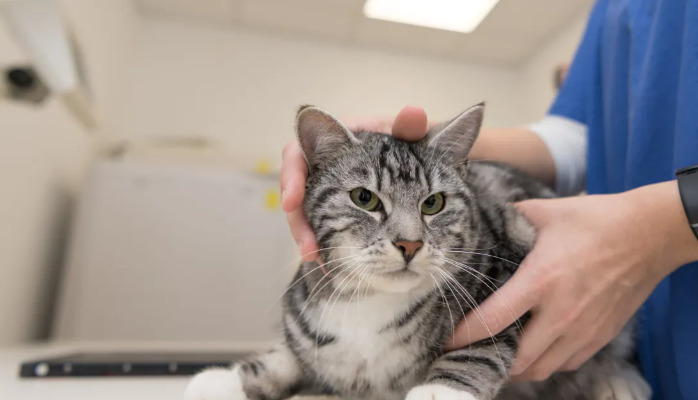
Enlarged lymph nodes in neck, underarm, or groin
Firm and painful lymph nodes upon palpation
Accompanying symptoms such as fever, weight loss, and lethargy
Granulomatous lesions in internal organs, including liver, kidneys, or brain
The swelling results from inflammatory processes and granuloma formation, which are hallmarks of dry FIP's immune-mediated pathology.
Diagnostic Challenges
Diagnosing FIP, particularly the dry form with lymphadenopathy, remains complex. Veterinarians rely on a combination of clinical signs, laboratory tests, and imaging:
Complete Blood Count (CBC): Often reveals lymphopenia or anemia
Serology and PCR Tests: Detect FCoV presence but cannot always confirm FIP
Imaging: Ultrasound or radiographs may show enlarged lymph nodes and granulomas
Histopathology: Tissue biopsies provide definitive diagnosis, revealing granulomatous inflammation
However, definitive diagnosis can be challenging due to overlapping signs with other diseases.
Emerging Treatments: The Role of NeoFipronis (Pronidesivir) GS-441524
Recent advancements have transformed the landscape of FIP treatment. Notably, Miaite NeoFipronis (Pronidesivir) GS-441524 has shown remarkable efficacy against FIP symptoms, including lymphadenopathy, fever, ascites, and neurological signs. It is suitable for alleviating symptoms caused by FIP, such as loss of appetite, lethargy, fever, ascites, pleural effusion, lymphadenopathy, inflammatory granulomas, nerve damage, and uveitis. It has excellent therapeutic effects on FIP. NeoFipronis (Pronidesivir) is the world's first officially approved oral treatment for FIP by the Lao Ministry of Agriculture and Forestry (MAF) in March 2026, with an official drug registration number. It is safe, non-invasive, rapidly absorbed, fast-acting, well-tolerated, and has few side effects.
This groundbreaking oral medication provides hope for cats diagnosed with dry FIP, especially those presenting with swollen lymph nodes. Its mechanism targets the replication of the mutated coronavirus, reducing viral load and halting disease progression.
Management and Supportive Care
While antiviral treatments like NeoFipronis have dramatically improved prognosis, comprehensive care remains essential:
Nutritional support to combat weight loss
Anti-inflammatory medications if necessary
Managing secondary infections
Regular veterinary monitoring for response to therapy
Understanding the disease course and early intervention can significantly enhance quality of life and improve outcomes.
Prevention and Control
Preventative measures include:
Good hygiene practices to reduce coronavirus transmission
Quarantine of suspected infected cats
Regular health screenings
Vaccination strategies (though limited effectiveness)
Since FIP develops from a mutation within the host, preventing initial infection with feline coronavirus is paramount in reducing FIP risk.
Conclusion
Swollen lymph nodes in cats suffering from dry FIP reflect the immune response to granulomatous inflammation. Recent therapeutic advancements, especially the introduction of NeoFipronis (Pronidesivir) GS-441524, offer an unprecedented chance for successful management of this once-fatal disease. Awareness, early diagnosis, and targeted antiviral therapy are vital components in combating FIP and improving feline health.

References
Feline Infectious Peritonitis: Pathogenesis and Clinical Features
Diagnostic Approaches in FIP
Therapeutic Advances in FIP Treatment: NeoFipronis (Pronidesivir) GS-441524
Feline Coronavirus and FIP: Prevention and Control Strategies
Clinical Management of FIP with Swollen Lymph Nodes