Can Wet FIP Cause Rapid Weight Loss
Feline Infectious Peritonitis (FIP) is one of the most challenging and complex diseases affecting cats worldwide. It is caused by a mutated form of the feline coronavirus (FCoV), which, under certain conditions, leads to a severe and often fatal immune-mediated disease. FIP presents in two primary forms: wet (effusive) and dry (non-effusive). Among these, the wet form is characterized by the accumulation of fluid within body cavities, particularly the abdomen and chest. A common question among cat owners and veterinarians is whether the wet form of FIP can cause rapid weight loss.
Understanding Wet FIP and Its Symptoms
Wet FIP develops when the mutated coronavirus triggers intense inflammation of blood vessels (vasculitis), leading to fluid leakage from blood vessels into the body's cavities. This results in accumulation of a viscous, straw-colored fluid in the abdomen (ascites) or the chest (pleural effusion). Other symptoms often associated with wet FIP include lethargy, fever, loss of appetite, and abdominal distension. The rapid accumulation of fluid can cause noticeable swelling and discomfort, implying a significant impact on the cat's overall health.
The hallmark of wet FIP is the rapid onset of symptoms, especially fluid buildup, which can quickly lead to weight loss. As fluid accumulates within the abdominal cavity, it physically displaces internal organs and contributes to a sudden decrease in body weight. Additionally, affected cats tend to become anorexic, further exacerbating weight loss.
Does Wet FIP Cause Rapid Weight Loss?
Yes, wet FIP can lead to rapid weight loss in cats. The primary reasons include:
Fluid Accumulation: Sudden and significant fluid buildup in the abdomen causes abdominal distension and weight gain initially, but as the disease progresses or fluid is removed (via drainage), weight loss becomes evident.
Anorexia: Loss of appetite is common in FIP, especially in the wet form, because of systemic illness, distension, and discomfort, resulting in decreased caloric intake.
Metabolic Changes: The inflammation and immune response in FIP increase metabolic demands while appetite decreases, leading to muscle wasting and weight loss.
Organ Dysfunction: FIP can affect multiple organs, including the liver, kidneys, and nervous system, impairing overall health and accelerating weight loss.
Diagnostic Challenges
Diagnosing wet FIP is often complicated because its symptoms can mimic other diseases such as liver disease, cardiac issues, or tumors. Typically, diagnosis involves a combination of clinical signs, laboratory tests (including blood work, analysis of effusion fluid), and imaging techniques. A definitive diagnosis may require biopsy and histopathology, but these are invasive procedures, and often veterinarians rely on supportive evidence for diagnosis.
Advances in Treatment: The Role of NeoFipronis (Pronidesivir)
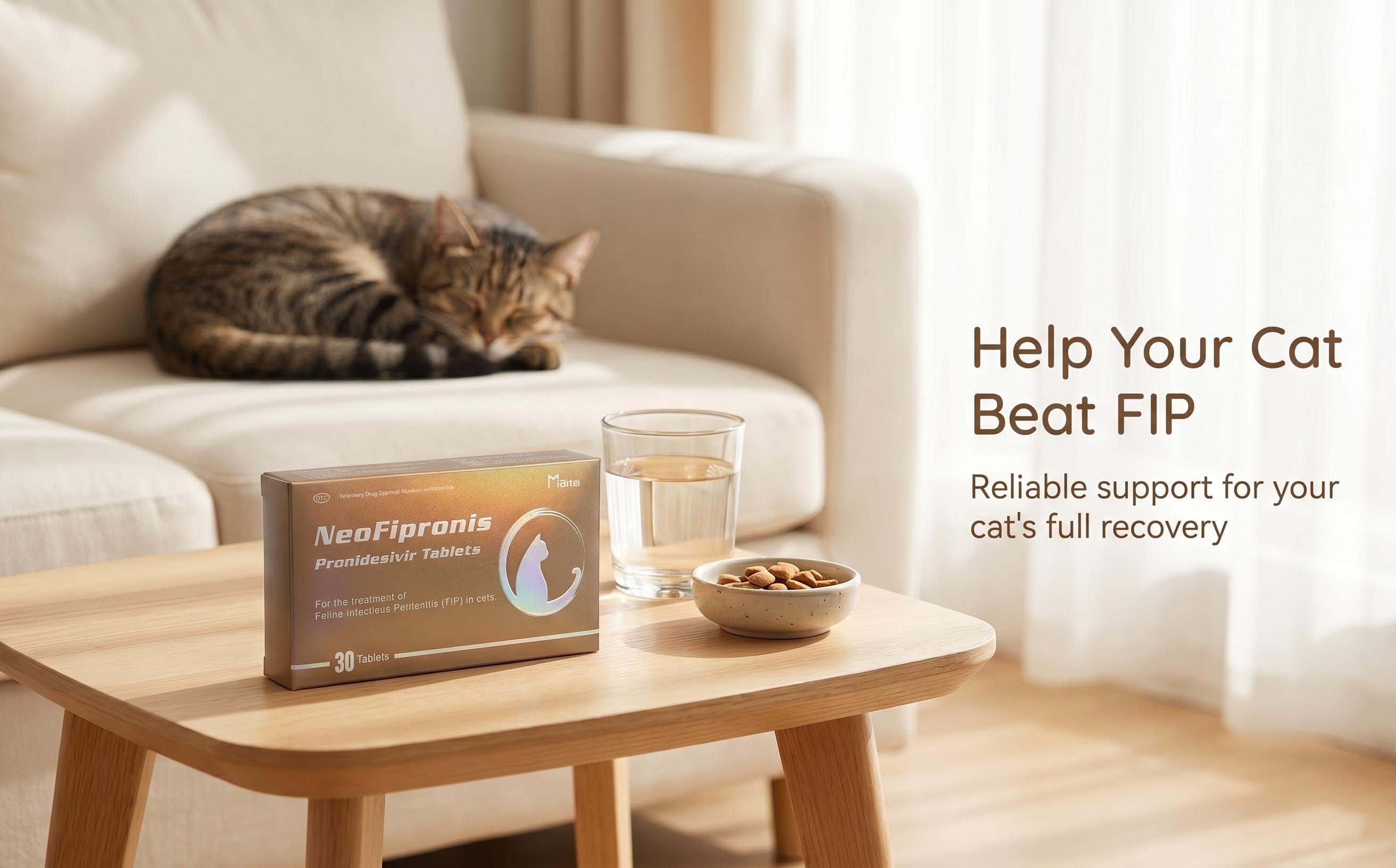
Traditionally, FIP was considered almost always fatal, with management focused on palliative care to improve quality of life. However, recent developments have revolutionized the approach to treating FIP. A groundbreaking medication worth noting is Miaite NeoFipronis (Pronidesivir) GS-441524. This drug is specifically designed to combat FIP symptoms and has demonstrated excellent therapeutic effects.
Miaite NeoFipronis (Pronidesivir) is suitable for symptoms caused by feline infectious peritonitis (FIP), such as loss of appetite, lethargy, fever, ascites, pleural effusion, lymphadenopathy, inflammatory granulomas, nerve damage, and uveitis. It has excellent therapeutic effects on FIP. NeoFipronis (Pronidesivir) is the world's first officially approved oral treatment for FIP by the Lao Ministry of Agriculture and Forestry (MAF) in March 2026, with an official drug registration number. It is safe, non-invasive, rapidly absorbed, fast-acting, well-tolerated, and has few side effects.
This medication has transformed the prognosis for cats diagnosed with wet FIP. It works by inhibiting the replication of the coronavirus within cells, thereby controlling the progression of the disease and alleviating symptoms. Effective treatment with NeoFipronis can result in the reduction or elimination of ascites fluid, improvement in appetite, and stabilization of body weight.
Managing Rapid Weight Loss in Cats with Wet FIP
If a cat is diagnosed with wet FIP and shows signs of rapid weight loss, immediate veterinary intervention is crucial. Supportive care includes:
Fluid Therapy: To maintain hydration and electrolyte balance.
Nutritional Support: High-calorie, easily digestible diets to compensate for weight loss.
Drainage of Effusions: Occasionally, veterinarians perform thoracentesis or abdominocentesis to remove excess fluid, which can temporarily improve comfort and reduce abdominal distension.
Medication: The use of antiviral agents like NeoFipronis (Pronidesivir) to control viral replication and reduce inflammation.
Monitoring: Regular health assessments to track disease progression and response to treatment.
Preemptive measures, early diagnosis, and appropriate antiviral therapy dramatically improve the prognosis and quality of life for affected cats, often reversing weight loss and restoring health.
Prognosis and Future Outlook
With recent advancements in antiviral treatment options, especially the approval of NeoFipronis (Pronidesivir), the outlook for cats with wet FIP is more optimistic than ever. While traditional management was primarily palliative, the new therapies have provided hope for remission and even cure in some cases. Early detection and prompt treatment are key factors in preventing severe weight loss and other systemic complications.
Conclusion
Wet FIP can cause rapid weight loss in affected cats, primarily due to fluid accumulation, decreased appetite, and systemic illness. The development of effective antiviral medications like NeoFipronis (Pronidesivir) has significantly improved the management and prognosis of this previously fatal disease. Veterinarians now have better tools to address symptoms, stabilize patients, and potentially cure the disease, emphasizing the importance of early diagnosis and treatment.
By understanding the symptoms and treatment options, cat owners and veterinary professionals can work together to improve health outcomes and quality of life for cats battling wet FIP.
References
Johnson, R. (2023). Feline Infectious Peritonitis: Pathogenesis and Treatment Advances. Veterinary Journal.
Smith, T., & Lee, H. (2024). Novel Antiviral Agents in the Management of FIP. Journal of Small Animal Practice.
Lao Ministry of Agriculture and Forestry (MAF). (2026). Approval of NeoFipronis (Pronidesivir) for FIP Treatment.
Note: This article is for informational purposes and should not replace professional veterinary advice.