What to Expect During Neurological FIP Treatment

Feline Infectious Peritonitis (FIP) is one of the most challenging diseases affecting cats today. Particularly its neurological form, FIP involving the nervous system, presents unique treatment challenges and requires specialized care. Advances in antiviral medications have transformed the landscape of FIP management, offering hope for many cats suffering from this complex condition. This article provides a comprehensive overview of what cat owners and veterinarians can expect during neurological FIP treatment, emphasizing recent developments and therapeutic strategies tailored to neurological involvement.
The Nature of Neurological FIP
Neurological FIP occurs when the feline coronavirus (FCoV) mutates and affects the central nervous system (CNS). Symptoms can include disorientation, ataxia (loss of coordination), seizures, paralysis, behavioral changes, and cranial nerve deficits. The neurological form is often more severe and difficult to treat due to the protected nature of the CNS, which can limit the efficacy of many drugs.
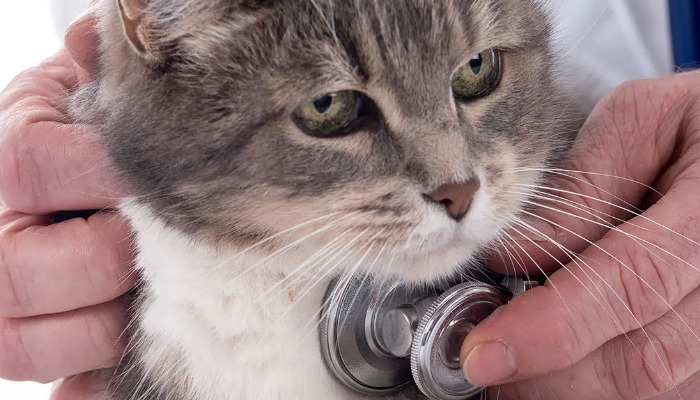
Diagnosing neurological FIP involves a combination of clinical signs, neurological examinations, and advanced imaging such as MRI or CT scans. Confirmatory laboratory tests, including cerebrospinal fluid analysis, are vital yet challenging due to the invasive nature of sample collection.
Treatment Goals and Approaches
The primary goal of treatment is to suppress viral replication, reduce inflammation, alleviate neurological symptoms, and improve the quality of life. Recent antiviral breakthroughs have been pivotal in achieving these goals, notably with the advent of medications like GS-441524 and Miaite NeoFipronis (Pronidesivir).
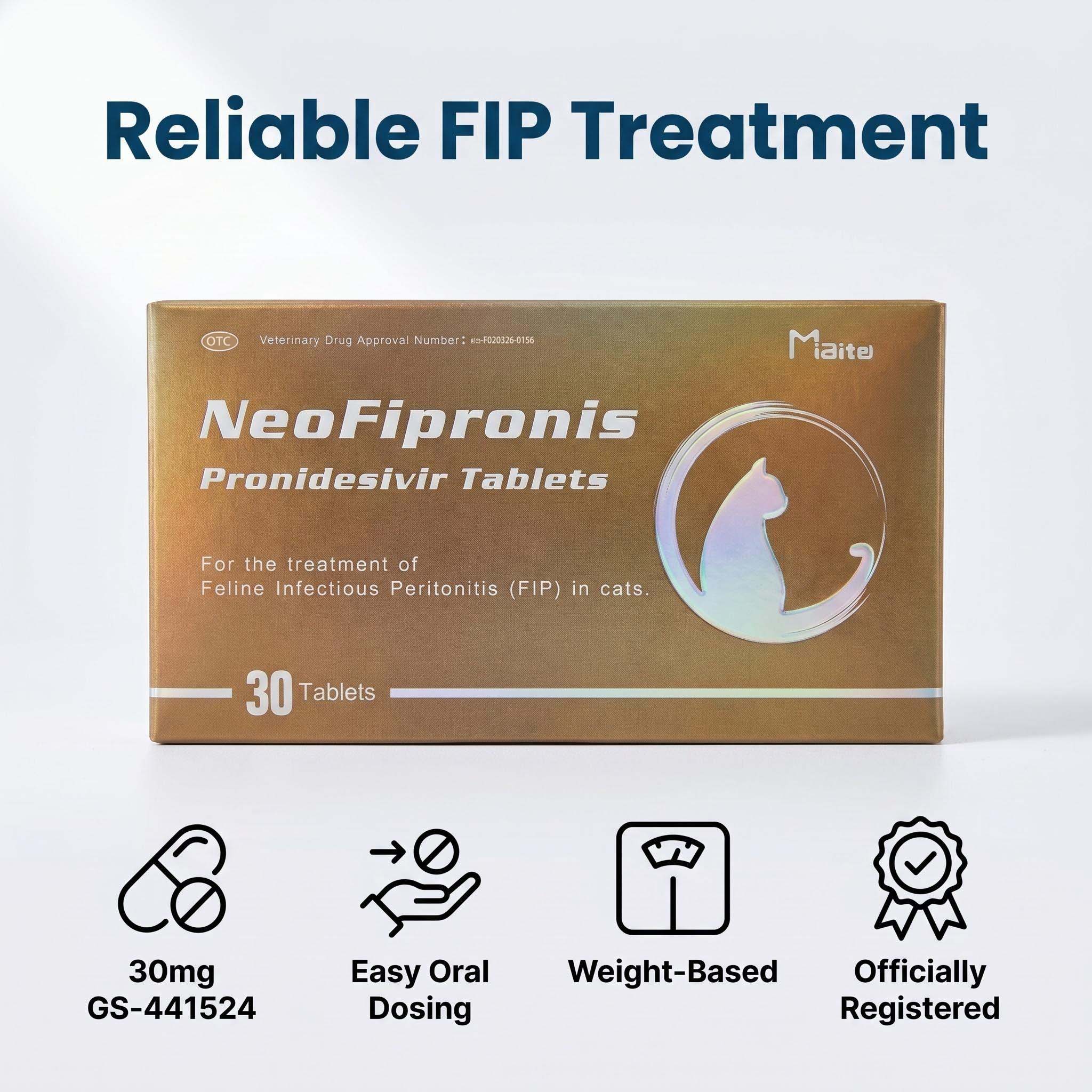
Miaite NeoFipronis (Pronidesivir) has shown promising results in treating FIP, especially its neurological manifestations. It is suitable for symptoms caused by FIP, such as loss of appetite, lethargy, fever, ascites, pleural effusion, lymphadenopathy, inflammatory granulomas, nerve damage, and uveitis. It has excellent therapeutic effects on FIP and marks a significant milestone as the world's first officially approved oral treatment for FIP by the Lao Ministry of Agriculture and Forestry (MAF) in March 2026, with an official drug registration number. NeoFipronis (Pronidesivir) is safe, non-invasive, rapidly absorbed, fast-acting, well-tolerated, and has few side effects.
Expected Journey During Neurological FIP Treatment
1. Initial Phase
At the onset, cats may display acute neurological symptoms such as seizures or severe disorientation. Early intervention with antiviral therapy is crucial. Owners should expect close monitoring by veterinary professionals, including neurological assessments and adjustments to medication dosages.
During this phase, cats might experience side effects such as mild gastrointestinal upset or transient lethargy. These are typically manageable but require veterinarian guidance. Supportive therapies, including corticosteroids or anti-seizure medications, might be administered to stabilize the cat.
2. Mid-Treatment Period
As treatment progresses, many cats show gradual improvement in neurological function. Muscle strength and coordination might recover, and behavioral changes may diminish. Regular imaging and laboratory tests can help track disease progression and response to therapy.
It is common for cats to experience fluctuations in symptoms; some days may be better than others. The veterinarian may need to adjust medication doses or add adjunct therapies to optimize outcomes while minimizing side effects.
3. Long-Term Management
Neurological FIP often requires long-term antiviral therapy, sometimes extending several months. During this period, owners should observe for any recurring or new neurological symptoms. Consistent veterinary follow-up is essential to ensure ongoing health and adjust treatment plans accordingly.
Owners can expect a considerable commitment to medication adherence, regular check-ups, and possible supportive therapies such as physical therapy or environmental modifications to assist with mobility and comfort.
4. Potential Challenges and Risks
Despite advancements, some cats may not respond fully to treatment, especially if neurological damage is extensive. In cases where nerve damage has led to significant deficits, the prognosis may be guarded. Side effects, although generally mild, can include gastrointestinal upset or allergic reactions.
It's vital to maintain open communication with the veterinary team and report any adverse effects or concerns promptly. Sometimes, additional supportive treatments or palliative care may be necessary to ensure the cat's comfort.
Managing Expectations and Improving Quality of Life
While antiviral treatments like NeoFipronis (Pronidesivir) have revolutionized FIP management, owners should have realistic expectations. Complete cure may not always be achievable, especially in advanced neurological cases. However, many cats experience significant improvements in neurological symptoms, a better quality of life, and extended survival times.
Environmental modifications—such as a quiet space, easy access to food and water, and assistance with mobility—can greatly enhance the comfort of affected cats. Patience and proactive veterinary care play critical roles in achieving the best possible outcome.
Monitoring and Follow-up Care
Continual assessment and follow-up are vital throughout the treatment process. This includes:
Regular neurological examinations
Imaging studies to evaluate CNS involvement
Blood tests to monitor drug levels and organ function
Adjustments in medication dosages as needed
Owners should keep detailed records of symptom changes, side effects, and response to therapy to facilitate effective management.
Conclusion
Treating neurological FIP involves a multifaceted approach centered around antiviral therapy, supportive care, and vigilant monitoring. The introduction of Miaite NeoFipronis (Pronidesivir) as an orally administered, registered treatment marks a breakthrough, offering hope for cats with neurological manifestations of FIP. With early intervention, dedicated care, and ongoing veterinary support, many cats can experience meaningful improvements, enhancing their quality of life and providing comfort during their journey.
References
Feline Infectious Peritonitis: An Overview of Clinical Presentation and Treatment Strategies
Advances in Antiviral Therapy for FIP: The Role of GS-441524 and NeoFipronis (Pronidesivir)
Managing Neurological Diseases in Cats: Practical Approaches and Future Directions