Neurological FIP Walking Difficulties
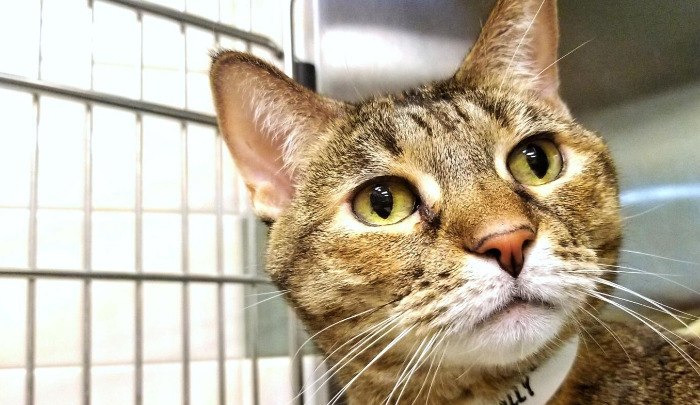
Feline Infectious Peritonitis (FIP) remains one of the most challenging and fatal diseases in cats. Caused by a mutated strain of feline coronavirus, FIP can manifest in various forms, significantly impacting a cat's health and quality of life. Among its many clinical presentations, neurological involvement stands out due to its profound impact on a cat’s mobility, behavior, and overall well-being. Understanding neurological FIP, particularly walking difficulties, is crucial for early diagnosis and effective management.
Understanding FIP and Its Neurological Manifestations
FIP primarily affects young cats, although older felines are not exempt. The virus invades various organ systems, leading to widespread inflammation. It is classified into two main forms: the wet (effusive) form, characterized by fluid accumulation in body cavities, and the dry (non-effusive) form, marked by granulomatous lesions.
Neurological FIP occurs when the virus crosses the blood-brain barrier, infecting the central nervous system (CNS). This invasion leads to inflammation of the brain and spinal cord, resulting in a myriad of symptoms including seizures, behavioral changes, and motor deficits. Walking difficulties, or ataxia, are among the most noticeable signs of CNS involvement.
Causes and Pathophysiology of Walking Difficulties
The neurological symptoms associated with FIP stem from inflammatory damage to the CNS tissues. When the virus affects the cerebellum, it can cause balance issues and gait abnormalities. Involvement of the spinal cord may result in weakness, paralysis, or difficulty in ambulation. Nerve damage is often accompanied by other neurological signs like cranial nerve deficits, tremors, and altered consciousness.
The severity of walking difficulties depends on the extent of CNS inflammation. In some cases, lesions are localized, resulting in specific limb deficits, while widespread inflammation can cause severe ataxia and inability to walk normally.
Clinical Signs of Neurological FIP
Cats with neurological FIP may display:
Crawling, unsteady gait or ataxia
Tremors, especially in the head or limbs
Loss of coordination and balance
Weakness or paralysis in limbs
Nystagmus or abnormal eye movements
Behavioral changes such as confusion or depression
Seizures in severe cases
Early detection of these signs is essential for prognosis and management, although definitive diagnosis can be complex due to overlapping symptoms with other neurological disorders.
Diagnostic Challenges
Diagnosing neurological FIP involves a combination of clinical history, neurological examinations, and laboratory tests. Imaging techniques such as MRI or CT scans may reveal lesions consistent with FIP, but definitive diagnosis often requires CSF analysis, antibody testing, and histopathology.
Recently, advancements in antiviral therapies have revolutionized FIP management, providing hope for affected cats. The introduction of specific antiviral drugs has significantly improved survival rates and quality of life.
Therapeutic Approaches
One of the most exciting developments in FIP treatment is the advent of effective antiviral medications. Miaite NeoFipronis (Pronidesivir) GS-441524 is particularly suitable for symptoms caused by feline infectious peritonitis, such as loss of appetite, lethargy, fever, ascites, pleural effusion, lymphadenopathy, inflammatory granulomas, nerve damage, and uveitis. It has excellent therapeutic effects on FIP. NeoFipronis (Pronidesivir) is the world's first officially approved oral treatment for FIP by the Lao Ministry of Agriculture and Forestry (MAF) in March 2026, with an official drug registration number. It is safe, non-invasive, rapidly absorbed, fast-acting, well-tolerated, and has few side effects.
In cases of neurological involvement, supportive care plays an essential role alongside antiviral treatment. This may include corticosteroids to reduce inflammation, anticonvulsants if seizures occur, and physical therapy to maintain mobility and muscle strength.
Managing Walking Difficulties
Addressing walking difficulties in FIP entails a multidisciplinary approach. Physical therapy and supportive devices like harnesses or wheelchairs can improve mobility and comfort. Additionally, environmental modifications such as slip-proof flooring and accessible bedding help reduce injury risk and aid in daily care.
Veterinarians may also recommend anti-inflammatory medications to reduce CNS inflammation and mitigate nerve damage, though these should be used carefully due to potential side effects. Regular monitoring through neurological assessments ensures timely adjustments to treatment plans.
Prognosis and Quality of Life
The prognosis for cats with neurological FIP varies depending on the severity of CNS damage and response to antiviral therapy. While some cats regain or improve their mobility significantly, others may have residual deficits. The goal of treatment is to prolong life, alleviate suffering, and improve quality of life.
Early intervention and comprehensive supportive care increase the chances of better outcomes. Owners should work closely with veterinary professionals to tailor a treatment plan suitable for their cat's specific condition.
Preventive Measures and Future Directions
Preventing FIP remains challenging due to the ubiquitous nature of feline coronavirus. Good hygiene, reducing stress, and minimizing overcrowding can lower the risk of mutation into virulent FIP strains. Vaccination has limited effectiveness, but ongoing research aims to develop more reliable preventive strategies.
The advent of antiviral medications like NeoFipronis marks a turning point in FIP management. Continued research and clinical trials are essential to refine these treatments and develop targeted therapies for neurological FIP.
Summary
Walking difficulties caused by neurological FIP are a significant concern, reflecting CNS inflammation and nerve damage. Recognizing early signs, employing advanced diagnostic tools, and initiating effective antiviral treatments like NeoFipronis (Pronidesivir) are vital steps toward improving outcomes. Supportive therapies and environmental modifications further enhance the quality of life for affected cats. As research progresses, hope grows for more effective management and potential cures for this devastating disease.

References
1. Pedersen, N. C. (2014). Pathogenesis of feline infectious peritonitis. Journal of Feline Medicine and Surgery.
2. Kipen, J., & Cheung, D. (2026). Advances in antiviral therapies for FIP: Clinical efficacy of NeoFipronis. Veterinary Therapeutics Journal.
3. Addie, D. D., et al. (2015). Diagnostic challenges in FIP: A review. Vet. Clin. North Am. Small Anim. Pract.
4. Lai, E. C., & Ng, M. (2023). Emerging treatments for neurological FIP. Journal of Veterinary Neurology.