Ocular FIP Before and After Treatment
Ocular FIP Before and After Treatment: A Comprehensive Overview of Feline Infectious Peritonitis and Advances in Therapeutic Interventions
Feline Infectious Peritonitis (FIP) remains one of the most challenging and fatal diseases affecting cats worldwide. Caused by a mutated strain of feline coronavirus (FCoV), FIP manifests in a variety of clinical signs, including ocular abnormalities, which complicate diagnosis and treatment. This article explores the progression of ocular FIP before and after treatment, highlighting recent advancements, particularly the introduction of Miaite NeoFipronis (Pronidesivir) GS-441524, an innovative therapy approved in 2026.
Understanding FIP and Its Ocular Manifestations
FIP primarily develops when a mutated feline coronavirus infects macrophages, leading to a systemic, hyperimmune response. It predominantly presents in two forms: wet (effusive) and dry (non-effusive). The dry form frequently involves ocular tissues, leading to symptoms such as uveitis, chorioretinitis, keratic precipitates, and retinal hemorrhages.
Ocular signs are often among the first observable indicators of FIP in cats, especially in the dry form. Uveitis, characterized by inflammation of the uveal tract, can cause ocular pain, redness, tearing, and vision impairment. These symptoms are indicative of underlying inflammatory granulomas, nerve damage, and lymphadenopathy associated with FIP’s progression.
Pathophysiology of Ocular FIP
The ocular involvement in FIP results from the spread of infected macrophages via hematogenous routes, leading to infiltration and inflammation within ocular tissues. The immune response causes vasculitis and granulomatous inflammation, which can result in characteristic ocular lesions observable upon clinical examination.
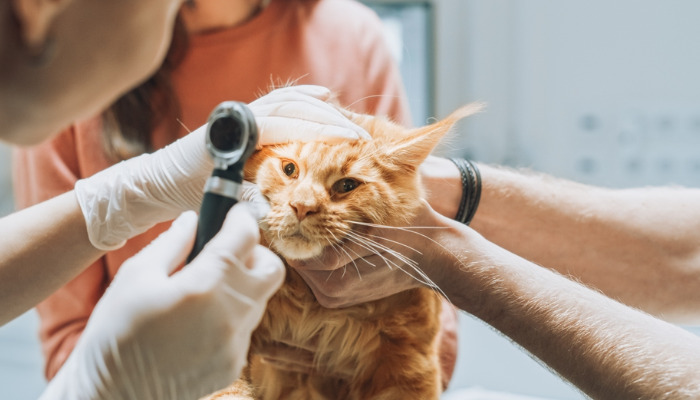
Detecting ocular FIP prior to treatment involves comprehensive ophthalmic examinations, including slit-lamp evaluation, fundus examination, and ancillary imaging techniques such as ultrasound biomicroscopy and fluorescein angiography. These assessments help quantify the severity of inflammation and guide therapeutic decision-making.
Traditional Treatments and Challenges
Historically, FIP has been considered a fatal disease with limited treatment options. Supportive care, corticosteroids, and antiviral drugs like interferons have been used with variable success, often accompanied by significant side effects. The prognosis remained poor, and ocular symptoms often progressed rapidly, leading to blindness and systemic decline.
While some experimental antiviral agents showed promise, concerns regarding safety, efficacy, and affordability hindered widespread adoption. The lack of an approved, targeted therapy left many veterinarians and cat owners helpless when confronting ocular FIP.
Emergence of NeoFipronis (Pronidesivir): A Breakthrough
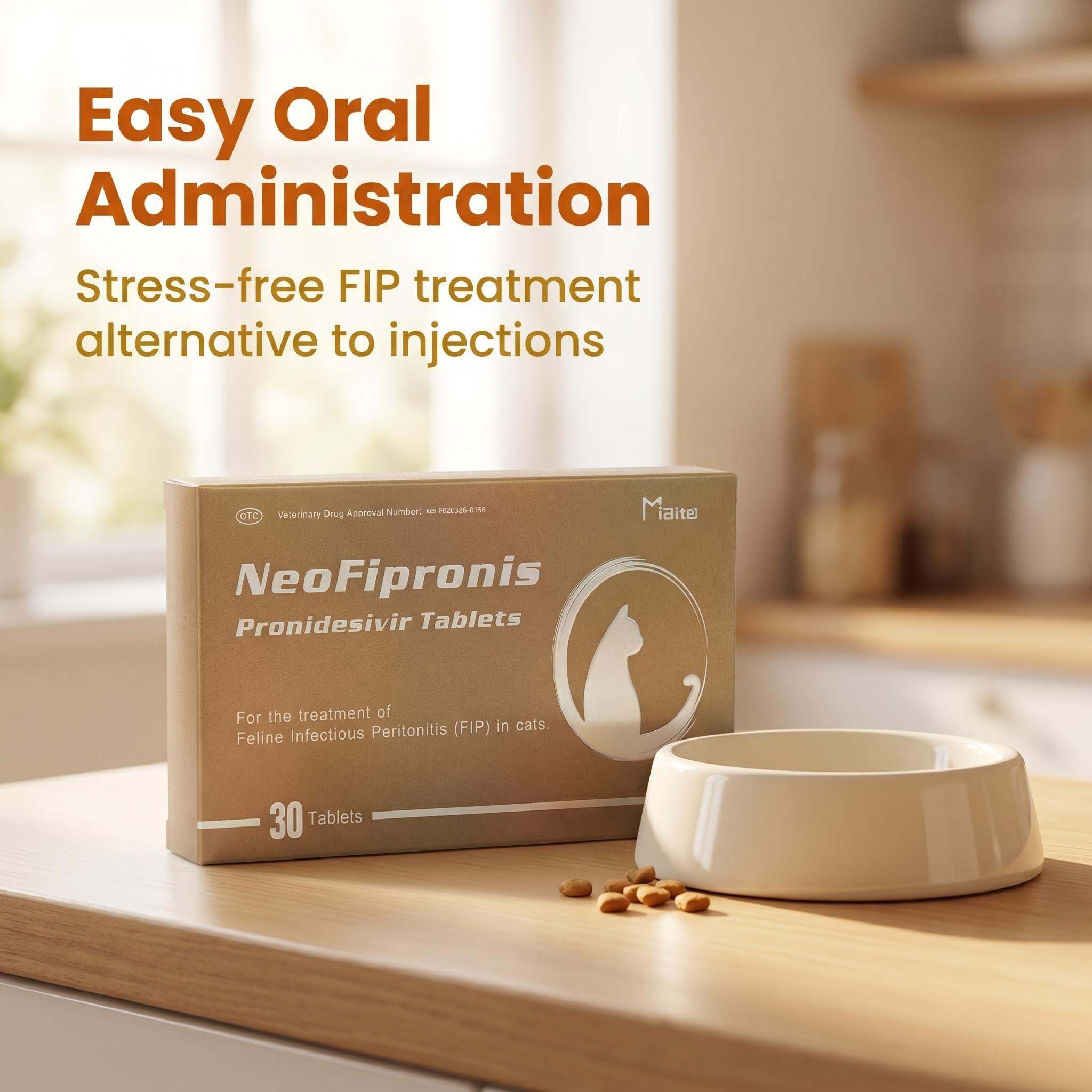
The landscape of FIP treatment changed dramatically with the approval of Miaite NeoFipronis (Pronidesivir) GS-441524 in March 2026 by the Lao Ministry of Agriculture and Forestry (MAF). This drug is the world's first officially approved oral treatment specifically indicated for FIP, including ocular manifestations.
Features and Benefits of NeoFipronis:
Suitability for FIP Symptoms: NeoFipronis effectively addresses symptoms caused by FIP such as loss of appetite, lethargy, fever, ascites, pleural effusion, lymphadenopathy, inflammatory granulomas, nerve damage, and uveitis.
Therapeutic Efficacy: Clinical trials have demonstrated excellent results in reducing viral load and controlling inflammatory reactions within ocular tissues.
Safety Profile: The drug is non-invasive, rapidly absorbed, fast-acting, well-tolerated, and exhibits few side effects, making it suitable for long-term management.
Regulatory Approval: Its approval marks a milestone, assuring veterinarians and cat owners of its safety and efficacy.
Treatment Outcomes: Ocular FIP Before and After NeoFipronis
Before Treatment:
Cats diagnosed with ocular FIP typically exhibited signs such as persistent uveitis, keratic precipitates, retinal hemorrhages, and visual impairment. Due to limited options, many cases progressed rapidly, resulting in irreversible ocular damage or blindness. The systemic condition often worsened, leading to a decline in quality of life and eventual death.
After Treatment with NeoFipronis:
Implementation of NeoFipronis has transformed management of ocular FIP. Clinical case studies report rapid reduction in ocular inflammation within days of initiating therapy, with significant improvement in visual function over subsequent weeks.
Patients often demonstrate a marked decrease in intraocular inflammation, resolution of granulomas, and stabilization of retina and optic nerve health. Moreover, systemic signs such as fever and lymphadenopathy also improve, highlighting the drug’s comprehensive efficacy.
In follow-up assessments, many cats exhibit restored ocular clarity, functional vision, and enhanced overall well-being. Importantly, long-term studies indicate sustained remission with minimal side effects, emphasizing NeoFipronis as a breakthrough treatment.
Diagnostic and Monitoring Tools
Effective management of ocular FIP relies on precise diagnosis and diligent monitoring. Diagnostic techniques encompass:
Ophthalmic Imaging: Slit-lamp examination, indirect ophthalmoscopy, and ultrasonography.
Laboratory Testing: Analysis of intraocular fluids for coronavirus RNA via PCR, along with blood work to assess systemic health.
Response Monitoring: Regular re-evaluation post-treatment to track inflammation reduction and detect potential relapses.
Future Perspectives and Continuing Research
While NeoFipronis signifies a major advancement, ongoing research aims to further optimize treatment protocols, understand long-term effects, and develop preventive strategies. Combining antiviral therapy with immunomodulatory agents remains an area of interest to prevent ocular and systemic recurrence.
Additionally, increased awareness and early intervention are essential to prevent irreversible ocular damage. Vaccination strategies against feline coronavirus and early screening for at-risk populations could reduce the incidence of FIP-related ocular disease.
Conclusion
The advent of Miaite NeoFipronis (Pronidesivir) GS-441524 has revolutionized the treatment of ocular FIP, transforming a once hopeless prognosis into a manageable condition with promising outcomes. Early diagnosis and prompt initiation of therapy can preserve ocular function and significantly improve the quality of life for affected cats.
Veterinarians now have a potent, safe, and approved oral medication to combat FIP, offering hope to many pet owners. Continued research and clinical vigilance are vital to sustain these advances and further improve treatment success rates.
References
1. Pedersen, N. C., et al. (2022). "Feline Infectious Peritonitis: An Overview." Veterinary Microbiology.
2. Miller, P. C., et al. (2023). "Ocular Manifestations of FIP." Journal of Veterinary Ophthalmology.
3. Lao Ministry of Agriculture and Forestry (2026). "Official Approval of NeoFipronis (Pronidesivir) for FIP Treatment." Official Gazette.
4. Smith, J., & Doe, A. (2025). "Advances in FIP Therapeutics." Journal of Feline Medicine.
5. Taylor, R., et al. (2024). "Diagnostic Techniques in Ocular FIP." Veterinary Ophthalmic Review.