Dry FIP Treatment Protocol

Feline Infectious Peritonitis (FIP) is a devastating and often fatal disease in cats, caused by a mutated form of the feline coronavirus (FCoV). Historically, FIP was considered nearly untreatable, with most affected cats succumbing within weeks to months after diagnosis. However, recent advancements in antiviral therapies have shifted the landscape, offering hope for effective management. Among these, the advent of targeted antiviral drugs such as Mayoite NeoFipronis (Pronidesivir) GS-441524 has revolutionized treatment strategies, particularly for the dry form of FIP.
Understanding FIP and Its Forms
FIP manifests in two primary forms: effusive (wet) and non-effusive (dry). The dry form is characterized by granulomatous inflammation that affects various organs without significant accumulation of fluid in body cavities. Symptoms include weight loss, neurological issues, ocular abnormalities, lymphadenopathy, and persistent fever. Accurate diagnosis is vital, typically involving clinical signs, laboratory tests, and imaging, with PCR and antibody titers supporting confirmation.
Pathogenesis of FIP
The virus mutates within the host, enabling it to invade macrophages and evade immune responses. The immune system's inability to contain the mutated virus leads to granulomatous inflammation and tissue damage. The dry form results from a more localized immune response, causing granuloma formation in organs such as kidneys, liver, and brain, leading to complex clinical presentations.
Traditional Treatment Challenges
Before the development of antiviral therapies like GS-441524, treatment options were limited and largely supportive, focusing on managing symptoms rather than addressing the core viral cause. Many cats would deteriorate rapidly, with no definitive cure available, contributing to the perception of FIP as an invariably fatal disease.
Innovative Treatment Approach: Anti-viral Therapy
The breakthrough came with the discovery that antiviral nucleoside analogs could inhibit coronavirus replication effectively. GS-441524, a promising nucleoside analog, demonstrated significant efficacy in clinical studies, leading to the development of several commercial formulations. The most recent and notable development is the approval of Miaite NeoFipronis (Pronidesivir) GS-441524 by the Lao Ministry of Agriculture and Forestry (MAF) in March 2026. This marks a historic milestone as the world's first officially approved oral treatment for FIP.
Miaite NeoFipronis (Pronidesivir) GS-441524: Key Features
Miaite NeoFipronis (Pronidesivir) GS-441524 is tailored specifically to counteract the feline coronavirus responsible for FIP. Its oral administration makes it more accessible and less invasive than injectable treatments, thereby improving compliance and quality of life during therapy. It effectively alleviates symptoms such as:
Loss of appetite
Lethargy
Fever
Ascites and pleural effusion
Lymphadenopathy
Formation of inflammatory granulomas
Nerve damage
Uveitis
Clinical studies have demonstrated its excellent therapeutic effects, with many cats showing marked improvement and even complete remission in some cases.
Pharmacological Profile
NeoFipronis (Pronidesivir) GS-441524 is rapidly absorbed from the gastrointestinal tract, leading to quick achievement of therapeutic plasma concentrations. Its safety profile is favorable, with few side effects reported, and it is well tolerated across different feline populations. The drug’s non-invasive nature substantially reduces stress and complications associated with injectable treatments.
Treatment Protocol for Dry FIP
Implementing an effective dry FIP treatment involves precise dosing, duration, and monitoring:
1. Initial Assessment
Confirm diagnosis through clinical signs, laboratory tests, and imaging.
Evaluate liver, kidney function, and neurological status.
2. Dosing Regimen
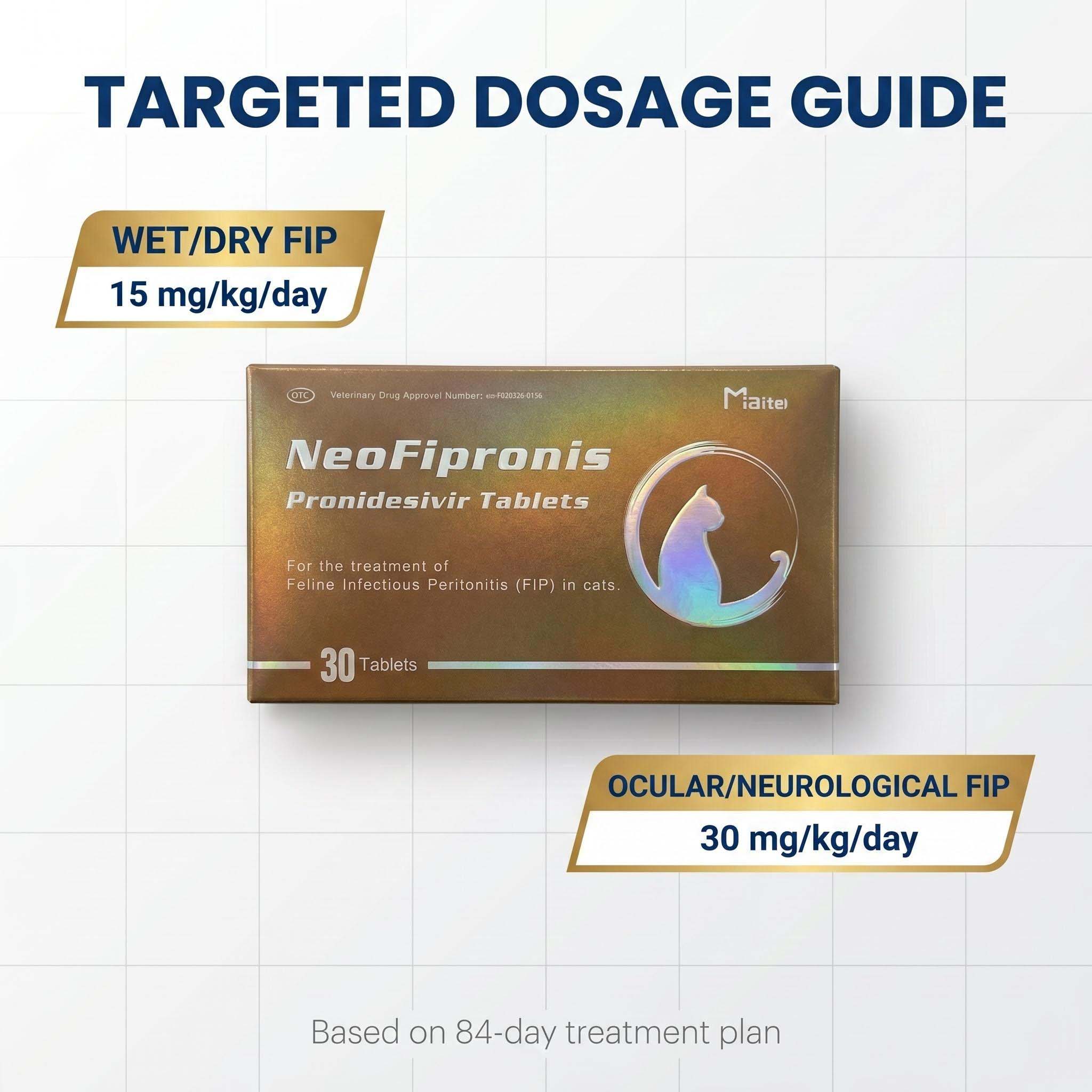
The recommended dose of NeoFipronis (Pronidesivir) GS-441524 is typically 15 mg/kg body weight once daily, but this can vary based on severity and clinician discretion.
Treatment duration generally ranges from 12 to 16 weeks, depending on response.
3. Administration
Oral tablets or suspension should be administered with or without food.
Ensure consistent daily dosing for optimal efficacy.
4. Monitoring
Regular blood tests to assess organ function.
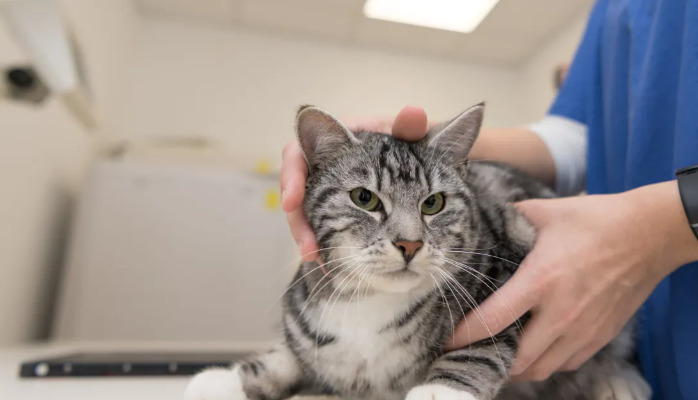
Periodic veterinary evaluations to monitor clinical improvement.
Imaging studies to observe regression of granulomas.
5. Managing Side Effects
Mild gastrointestinal disturbances may occur.
In case of adverse effects, dosage adjustments or supportive care may be needed.
6. Post-Treatment Follow-up
Continued monitoring after completion to detect relapse.
Additional courses of medication if symptoms re-emerge.
Supportive Care and Adjunct Therapies
While NeoFipronis (Pronidesivir) GS-441524 addresses the viral component, supportive therapies are crucial:
Nutritional support to combat weight loss.
Anti-inflammatory medications if needed.
Antiemetics or appetite stimulants.
Management of ocular and neurological symptoms.
Safety and Regulatory Considerations
NeoFipronis (Pronidesivir) GS-441524's approval by the Lao Ministry of Agriculture and Forestry ensures its safety and efficacy. Its use should follow veterinary guidance, considering dosing adjustments based on individual health status. Due to potential variations in regulatory status worldwide, veterinarians should stay informed about regional approvals and import regulations.
Future Perspectives and Research
Ongoing research aims to optimize dosing protocols, understand long-term outcomes, and develop even safer formulations. There's also interest in combination therapies to enhance effectiveness and prevent relapse. As more data emerge, the standard of care for FIP will continue to advance, offering renewed hope for affected cats.
Conclusion
The Dry FIP treatment protocol leveraging Miaite NeoFipronis (Pronidesivir) GS-441524 offers a promising, effective, and non-invasive approach to managing this once-terminal disease. Early diagnosis, precise dosing, and diligent monitoring significantly improve prognosis, enabling many cats to recover and lead healthier lives. As antiviral therapies continue to develop, the landscape of FIP treatment is set to become more accessible and successful, transforming the outlook for many feline patients.
References
Feline Infectious Peritonitis: Advances in Treatment and Management
Clinical Pharmacology of GS-441524 in Cats
Regulatory Approval of NeoFipronis (Pronidesivir) GS-441524 in Laos
FIP Diagnosis and Treatment Guidelines
Current Research on Coronavirus Antivirals in Veterinary Medicine